The phrase “there is no ‘I’ in team” is often dismissed as a cliché, yet modern research and real world corporate failures continue to demonstrate its validity. Organizations, whether businesses, government agencies, or nonprofits, rarely fail due to a lack of individual talent. Instead, failure occurs when leadership cannot unite individuals into a cohesive and accountable team.
At its core, poor leadership transforms a team into a group of disconnected individuals. This breakdown undermines performance and creates conditions for organizational failure.
The Myth of Individual Brilliance in Organizations
Although workplaces often celebrate individual achievement, organizational success depends on collective effort. Leadership research shows that team alignment, rather than individual excellence, drives long term performance. When leaders prioritize personal agendas over shared goals, communication weakens, accountability declines, and trust deteriorates.
Research indicates that ineffective leadership is frequently associated with self centered decision making and an inability to foster collaboration (Quarterdeck, 2025). This reinforces the idea that talent alone is insufficient without coordinated teamwork.
How Poor Leadership Damages Team Effectiveness
Lack of Clear Communication
One of the earliest indicators of weak leadership is unclear direction. When expectations are not communicated effectively, employees struggle to align their efforts with organizational goals. Studies suggest that many employees lack clarity about their responsibilities, resulting in inefficiency and wasted effort (Hathorn Consulting Group, 2025).
Tolerance of Poor Performance
Leaders who avoid addressing underperformance contribute to declining team standards. Poor performers can significantly reduce overall productivity and negatively affect team morale. Research shows that teams may operate well below their potential when accountability is not enforced (Hathorn Consulting Group, 2025).
Breakdown of Trust and Organizational Culture
Trust is fundamental to teamwork. Poor leadership erodes trust by creating stress, disengagement, and uncertainty. Employees who do not trust leadership are less likely to collaborate or share ideas. This results in reduced innovation and increased turnover (Core Management Training, 2025).
Lack of Empowerment
When leaders fail to empower employees, decision making becomes centralized and slow. This limits creativity and reduces engagement. Teams become dependent on leadership rather than taking ownership of their work, weakening overall performance.
Evidence from Organizational Failures
Several well known corporate failures illustrate the consequences of poor leadership and lack of teamwork.
Nokia experienced cultural issues where employees feared speaking up, which slowed innovation and adaptation.
Lehman Brothers fostered an environment that discouraged dissent, contributing to risky decision making before its collapse.
Enron promoted internal competition and fear, suppressing transparency and accountability.
In each case, leadership failed to create a collaborative environment, demonstrating how the absence of teamwork can lead to organizational collapse.
The Financial Impact of Poor Leadership
The consequences of ineffective leadership extend beyond culture to measurable financial losses. Disengaged employees cost the global economy trillions of dollars annually, while high turnover increases organizational expenses significantly (Core Management Training, 2025). Additionally, poor leadership undermines strategy execution, making it difficult for organizations to achieve their objectives (Balanced Scorecard Institute, 2025).
Relevance in Modern Organizations
Even in technologically advanced workplaces, leadership remains the key factor in team success. Tools and systems may enhance productivity, but they do not resolve issues related to communication, trust, and accountability. Research in emerging work environments confirms that human leadership and collaboration remain essential to organizational effectiveness (arXiv, 2025).
Conclusion
The statement “there is no ‘I’ in team” reflects a fundamental organizational truth. Leadership determines whether individuals function as a cohesive unit or as isolated contributors. Poor leadership fragments teams, weakens communication, and reduces accountability, ultimately leading to failure.
In contrast, effective leaders foster collaboration, build trust, and align individuals around shared goals. Organizational success depends not on individual achievement alone but on the strength of the team as a whole.
References
Balanced Scorecard Institute. (2025). The leadership gap understanding strategy execution failure.
Core Management Training. (2025). The hidden cost of poor leadership.
Hathorn Consulting Group. (2025). The leadership failure that secretly costs organizations millions in 2025.
Quarterdeck. (2025). Why leadership fails.
arXiv. (2025). Research on collaboration and productivity in modern workplaces.
Sharron L. Henley, MA, MIN, Journalist Conversations With Charito, LLC
Leadership plays a central role in shaping organizational culture, decision making processes, and employee engagement. Effective leaders guide organizations through complex challenges by relying on structured strategies, collaboration, and informed decision making. However, leadership environments sometimes develop in which decisions are influenced heavily by personal emotion, ego, or insecurity rather than by policy, data, or institutional goals.
Emotion driven leadership can create instability within organizations. Strategic priorities may shift unpredictably, internal collaboration may decline, and employees may lose confidence in leadership direction. When leaders rely primarily on personal reactions rather than structured decision processes, organizations may struggle to maintain consistency and trust.
Research in Organizational Behavior emphasizes that effective leadership requires clear governance, transparency, and evidence-based decision making. Leaders who rely heavily on impulse or emotional reactions may unintentionally weaken organizational performance and team cohesion.
This article examines the consequences of emotion driven leadership, explores the importance of emotional intelligence in leadership roles, and proposes practical organizational solutions to promote more stable and effective leadership environments.
Consequences of Emotion Driven Leadership
Emotion driven leadership can produce several negative outcomes that affect both employees and organizational performance.
Strategic Instability
One major consequence is strategic instability. When leaders make decisions based on personal reactions rather than established frameworks, organizational priorities may change frequently. This unpredictability can create confusion among employees and disrupt long term planning.
Research examining leadership effectiveness suggests that structured leadership behaviors are closely associated with stable organizational performance and improved strategic outcomes (Pudasaini, 2025). Organizations that rely on consistent decision frameworks tend to perform better because employees understand expectations and strategic goals.
Without such frameworks, decision making becomes reactive. Teams may struggle to align their efforts when leadership priorities appear to shift according to interpersonal dynamics or emotional responses.
Internal Rivalry and Organizational Silos
Emotion driven leadership can also encourage internal rivalry. Leaders who feel insecure about their authority or status may perceive highly capable employees as threats. Instead of fostering collaboration, leadership behavior may unintentionally create competition among team members.
This dynamic often leads to the formation of organizational silos in which departments or individuals guard information and compete for recognition. Collaboration declines, and employees may become more focused on navigating internal politics than on achieving shared organizational goals.
Studies examining leadership and workplace dynamics suggest that emotionally intelligent leadership is strongly associated with greater collaboration and improved team cohesion (Mishra et al., 2024).
Talent Suppression and Employee Turnover
Another significant consequence is the suppression of talent. High performing employees typically seek environments where their contributions are valued and where leadership decisions are consistent and transparent.
When leadership behavior appears unpredictable or politically motivated, employees may feel that advancement depends more on personal relationships than on performance. As a result, talented individuals may disengage or seek opportunities elsewhere.
Research indicates that emotionally intelligent leadership significantly improves employee satisfaction, engagement, and retention (Hwang, 2024). Conversely, leadership environments characterized by insecurity or reactive decision making are associated with higher turnover rates.
Emotional Intelligence and Leadership Effectiveness
Although emotion driven leadership can create instability, emotion itself is not inherently negative in leadership contexts. Effective leaders must understand and respond to the emotional dynamics of their teams. The key distinction lies in emotional regulation.
The concept of Emotional Intelligence refers to the ability to recognize, understand, and regulate one’s own emotions while also responding effectively to the emotions of others. Emotional intelligence has become an important component of modern leadership research.
Recent studies demonstrate that leaders with strong emotional intelligence are better equipped to manage conflict, encourage collaboration, and maintain positive workplace environments (Korakis & Poulaki, 2025). These leaders are able to acknowledge emotional responses without allowing those responses to dominate their decision making.
Emotionally intelligent leaders also demonstrate higher levels of empathy and communication effectiveness, which strengthens trust within teams.
Importantly, emotional intelligence differs from emotion driven leadership. Emotional intelligence involves awareness and regulation, whereas emotion driven leadership involves allowing emotional reactions to guide decisions without reflection or analysis.
Organizational Solutions
Organizations can reduce the risks associated with emotion driven leadership by implementing structural and cultural safeguards.
Evidence Based Decision Frameworks
First, organizations should establish evidence based decision making processes. Major strategic decisions should involve data analysis, consultation with relevant stakeholders, and documentation of the reasoning behind decisions.
Formal decision frameworks help ensure that leadership choices are grounded in objective evaluation rather than personal impulse.
Leadership Development Programs
Organizations should also invest in leadership development programs that emphasize emotional regulation, communication skills, and bias awareness. Training programs informed by research in Industrial and Organizational Psychology can help leaders recognize how personal stress, insecurity, or cognitive bias may influence their behavior.
Leadership development initiatives that incorporate emotional intelligence training have been shown to improve both leadership effectiveness and employee engagement (Bahshwan, 2024).
Strengthening Governance and Accountability
Governance structures also play an important role in maintaining leadership stability. Advisory boards, executive committees, or leadership councils can provide balanced perspectives and prevent decision making from becoming overly centralized.
Such structures encourage transparency and accountability while reducing the likelihood that individual leadership biases will dominate organizational decisions.
Promoting Psychological Safety
Finally, organizations should actively promote psychological safety within teams. Psychological safety refers to an environment in which employees feel comfortable expressing ideas, asking questions, and challenging assumptions without fear of negative consequences.
Leadership environments that encourage open communication and respectful disagreement tend to produce stronger innovation and problem solving capabilities.
Conclusion
Leadership instability can have far reaching consequences for organizations. When leadership decisions are driven primarily by ego, insecurity, or emotional reaction, organizational trust, collaboration, and strategic clarity may suffer.
Emotion itself is not the problem. Effective leadership requires emotional awareness and empathy. However, successful leaders regulate their emotional responses and prioritize evidence-based decision making that supports organizational goals.
Organizations that invest in leadership development, transparent governance structures, and structured decision making processes are better positioned to maintain stable and productive leadership environments.
Ultimately, strong leadership is not defined by authority or personal influence. It is defined by clarity, consistency, and the ability to build environments in which talented individuals can contribute to a shared mission.
References
Bahshwan, A. F. (2024). The role of emotional intelligence in effective leadership. International Journal of Engineering Research and Technology, 13(5).
Hwang, J. (2024). The role of emotional intelligence in leadership effectiveness and employee satisfaction. International Journal of Scholarly Research and Reviews, 5(2), 125 to 136.
Korakis, G., & Poulaki, I. (2025). A systematic literature review on the relationship between emotional intelligence and transformational leadership. Businesses, 5(1), 4.
Mishra, N., Singh, P., & Chaturvedi, S. (2024). Emotional intelligence in leadership: A cross cultural analysis of employee engagement and retention. Journal of Informatics Education and Research, 4(3).
Pudasaini, P. T. (2025). Emotional intelligence and effective leadership in the digital era. In IntechOpen.
A quiet nudge when we’ve lost our way, Not loud or urgent, never unkind, Just gentle truths for a weary mind.
A song at the moment the heart feels thin, A stranger’s smile, a strength within, A memory rising at just the right time, Like underlined hope in life’s margin line.
Timely reminders don’t shout or demand, They rest softly in the palm of your hand, Saying, breathe… you’re still okay, You’re not behind, you’re on your way.
They remind us we’ve survived before, That broken doors still lead to doors, That even pauses serve a plan, And grace keeps time better than man.
So when one finds you, don’t rush past, Let it anchor you to something vast, For reminders arrive right on cue. Not early, not late… just true.
Nonprofit organizations play a critical role in supporting underprivileged children by providing essential services, including meals, education, health care, and social support. Donors and governments allocate billions annually to charities with the expectation that funds will reach intended beneficiaries. When these organizations are used instead as conduits for money laundering or personal enrichment, the harms are profound, affecting children, families, donors, and public confidence in civil society.
Although money laundering is already criminalized at federal and state levels, exploiting nonprofits serving vulnerable children should be treated as an aggravated offense, with specific statutory language and enhanced penalties. The need for such criminalization has become evident through recent investigations and charges in states such as Florida.
Background: Money Laundering and Nonprofits
Money laundering generally involves disguising the origins of unlawfully obtained funds to make them appear legitimate (U.S. Department of Justice [DOJ], 2025). Traditional anti‑money laundering statutes target financial institutions and commercial entities, but nonprofit organizations can be equally vulnerable to abuse. Unethical organizational leaders may use nonprofits’ tax‑exempt status, complex financial networks, and public goodwill to “clean” illicit proceeds.
When a nonprofit purports to serve underprivileged children, the ethical breach is particularly severe: the façade of charity is used to access funds targeted for those who lack financial or political power. As a result, lawmakers, prosecutors, and advocates have increasingly scrutinized these abuses.
Florida Examples of Nonprofit Abuse
Center for Special Needs Trust Administration (CSNT)
A stark illustration of nonprofit exploitation occurred in Florida involving the Center for Special Needs Trust Administration (CSNT). Federal authorities unsealed an indictment charging two Florida men with multiple crimes, including conspiracy to commit money laundering related to the misappropriation of more than $100 million from a nonprofit that managed trust funds for people with special needs (Govoni & Witeck case). The defendants allegedly siphoned funds meant to support disabled beneficiaries and used complex financial transactions to conceal the theft (Department of Justice, 2025; see also Fox 13 News, 2025). Numerous trust accounts, many serving vulnerable children, were partially or fully drained, undermining the very purpose of the nonprofit (Fox 13 News, 2025; DOJ, 2025).
This case underscores how the misuse of nonprofit structures for personal enrichment can devastate populations the charities are meant to protect, especially children and individuals with disabilities.
Rayfield School of Excellence Case
Another example involved a Florida nonprofit participating in a state‑funded program to provide meals for children. The nonprofit’s director was charged with over-billing the State of Florida for summer meals, defrauding state funds of more than $2.8 million and misapplying nonprofit revenue for personal benefit (Office of the Attorney General, 2023). Although not explicitly about laundering money through a children’s charity, this case demonstrates how nonprofit funds intended for underprivileged children can be misdirected for individual gain, a behavior that should be subject to enhanced scrutiny and criminal penalties.
Why Exploiting Nonprofits Serving Children Should Be a Specific Crime
Aggravated Harm to Vulnerable Populations
Fraud and money laundering involving charities already violate existing law, yet the moral and social harms are magnified when children are the ostensible beneficiaries. Children lack the capacity to advocate for themselves, making it easier for unscrupulous actors to conceal abuse. Enhanced statutes that recognize the exploitation of children‑focused nonprofits as an aggravated offense would reflect societal condemnation of this conduct.
Deterrence and Public Trust
Clearer criminal categories with enhanced penalties for laundering money through nonprofits that serve children would send a strong deterrent message. Public trust in charitable institutions is essential for philanthropy and community engagement; repeated abuses risk eroding donor confidence and defunding legitimate services.
Strengthening Accountability for Nonprofit Boards
A nonprofit board of directors holds a legally defined fiduciary duty to exercise oversight, protect organizational integrity, and ensure compliance with applicable laws and ethical standards. When boards are ineffective, tolerate bribery, overlook illegal activity to satisfy leadership, ignore sexual harassment complaints, or fail to safeguard funds intended for mission-related purposes, they jeopardize both the organization and those it serves. Under Florida law, nonprofit directors and officers are generally shielded from civil liability when acting in good faith and in the best interests of the organization (Fla. Stat. § 617.0834, 2024), but this immunity does not extend to actions involving criminal conduct, bad faith, or breaches of duty such as self-dealing and willful disregard of legal obligations (Fla. Stat. § 617.0834, 2024; Fla. Stat. § 617.0830, 2025). Governance failures, including ignoring sexual harassment and mismanagement of funds, can expose boards to lawsuits from employees, beneficiaries, donors, and state regulators, including the state attorney general, for breaches of fiduciary duty or wrongful acts (ASAE-AON, 2025; Nonprofit Risk Management Center, 2025). When board members actively condone illegal conduct or fail to intervene despite clear red flags, they should not only be subject to civil liability but also criminal prosecution where appropriate and barred from serving on any nonprofit board in the future to prevent further harm to vulnerable populations and to uphold public trust in the charitable sector (Nonprofit Risk Management Center, 2025). Enhanced statutory provisions and enforcement mechanisms that explicitly address aggravated misconduct by nonprofit boards would reinforce accountability and ensure that serving on a board reflects a commitment to ethical stewardship and legal compliance.
Facilitating Prosecution and Restitution
Specific criminal provisions can help prosecutors pursue cases more efficiently and secure restitution for victims. In cases like CSNT’s, where complex financial manipulation and concealment are involved, distinct statutory language focused on child‑serving nonprofits would aid in framing charges that align with the public harm caused.
Policy Recommendations
Enact Enhanced Criminal Statutes: State and federal legislatures should clarify that laundering or misappropriating funds from nonprofits serving underprivileged children constitutes an aggravated crime with significant penalties beyond general fraud or money laundering statutes.
Strengthen Oversight and Transparency: Require regular public audits and disclosure of financial activities for nonprofits serving children and other vulnerable populations to identify red flags early.
Promote Whistleblower Protections: Safeguard employees, volunteers, and beneficiaries who raise concerns about financial irregularities in charities.
Interagency Collaboration: Improve cooperation between charity regulators (e.g., IRS, state attorney general offices) and criminal investigators to detect and act on abuses involving nonprofits.
While existing money laundering and fraud laws provide a framework to prosecute financial abuse and deception, they do not sufficiently address the unique harms caused when nonprofit organizations meant to serve underprivileged children are used for illicit financial gain. Recent cases in Florida, such as the CSNT trust misappropriation and other nonprofit fraud schemes, reveal the need for legal frameworks that specifically criminalize the laundering of money through child‑serving charities. By enacting targeted statutes, strengthening oversight, and enhancing penalties, policymakers can better protect vulnerable populations and uphold the integrity of the nonprofit sector.
References
Associated Press. (2025, April 28). Hope Florida: A timeline of how a DeSantis‑backed state charity was accused of wrongdoing. WESH. (WESH)
Department of Justice. (2025, June 23). Florida nonprofit founder and accountant charged with stealing over $100M from special needs victims. U.S. DOJ Press Release. (Department of Justice)
Fox 13 News. (2025). Pinellas businessman accused of stealing $100M from special needs trusts indicted on federal charges. (fox13news.com)
Office of the Attorney General. (2023, June). Attorney General’s office charges nonprofit director for stealing nearly $3 million. Florida Legal. (myfloridalegal.com)
Photo: The Elliot’s vibing with Charito on Conversations with Charito at Excitement Radio Station. December 7, 2025.
On 15th Avenue, in Liberty City, FL, where resilience and hope meet every day, Ark of the City, Inc. continues to stand as a beacon of support for families and youth. Founded and led by husband-and-wife team Terry and Sherria Elliot, the organization has become one of the community’s most trusted pillars, offering mentorship, educational support, family outreach, and a wide range of empowerment programs designed to uplift and inspire.
For the Elliots, Ark of the City, Inc. is not just a nonprofit, it’s a family mission and a labor of love.
A Family Dedicated to Community
The couple’s dedication to service is mirrored by their children, who have been actively involved in the organization’s work since its earliest days. Whether assisting with youth programs, participating in outreach activities, or helping coordinate community events, the Elliot children have embraced the spirit of giving back that defines their parents’ legacy.
“Service is part of our family DNA,” Sherria says. “Our children have grown up understanding the value of community, and they contribute to this mission with the same passion we do.”
A Record of Impact
Ark of the City has earned its reputation through consistent, hands-on community engagement. The organization provides mentorship programs, leadership development, academic support, and resources for families facing hardship. Their approach is rooted in accessibility, meeting people where they are and offering the tools they need to move forward.
“Our mission is simple,” says Terry. “We want every young person who walks through our doors to know they are capable, valued, and supported. That’s the foundation for lifelong success.”
Parents describe the organization as a lifeline. Volunteers describe it as purposeful. The youth describe it as home.
Honoring Excellence: The Annual Wall of Fame
One of Ark of the City’s most distinguished traditions is its Wall of Fame Honoring Ceremony, held annually to recognize individuals who have made major contributions to the community. Honorees include educators, mentors, local leaders, outstanding alumni, and neighborhood change makers, people whose dedication has left a lasting impact.
The Wall of Fame serves as both a tribute and an inspiration. New honorees are added each year, their stories displayed prominently for the youth to see.
“The Wall of Fame is about representation,” Sherria explains. “Our young people deserve to see examples of success coming directly from their own neighborhoods. It reminds them that greatness grows right here at home.”
A Holiday Tradition: Christmas on 15th Ave
Each December, Ark of the City hosts its signature event: Christmas on 15th Ave, a celebration that brings the entire community together. What began as a small outreach effort has grown into a festive, city-wide tradition featuring music, entertainment, toys, food, and holiday joy for hundreds of families.
The Elliots and their children work alongside volunteers to ensure every child leaves with a gift, a smile, and a memory that lasts long after the season ends.
“Christmas on 15th Ave is our way of saying, ‘We see you. We care. You belong,’” Terry says. “It’s a moment of joy for families who need it most.”
The event has become a staple of the holiday season, uniting neighbors, lifting spirits, and reinforcing the values that Ark of the City stands for.
A Legacy in Motion
As Ark of the City continues to expand its programs and deepen its impact, the Elliots remain committed to their core philosophy: service, family, and community partnership. Their work is a reminder that meaningful change begins with people who care enough to act and who remain consistent in that commitment.
“With our children, our volunteers, and our Wall of Fame honorees, we’re building something that will last for generations,” Sherria says. “This isn’t just our story, it’s the story of everyone who believes in the power of community.”
On 15th Avenue, that power is alive and growing. And at the heart of it stands Ark of the City, Inc., a living testament to what happens when a family’s mission becomes a community’s hope.
By Sharron L. Henley, MA, MIN, Journalist and Radio Personality
Mayor Daniella Levine Cava delivering the State of the County address. Miami-Dade County, 2021.
A recent report by NBC 6 South Florida (2025a) described the recall campaign against Miami-Dade County Mayor Daniella Levine Cava as stemming from broad public dissatisfaction. This framing, however, oversimplifies the motivations behind the recall effort and fails to account for the substantive accomplishments of her administration. A more comprehensive evaluation reveals significant progress across economic development, housing, environmental sustainability, transit, and government modernization areas that directly affect the quality of life for county residents.
Economic Initiatives and Tax Relief
Levine Cava’s administration has prioritized small-business growth and post-pandemic economic recovery. The STRIVE305 program, for example, now supports approximately 15,000 small businesses across the county (The Floridian, 2025a). Additionally, the county expanded non-tax revenue sources, including naming-rights partnerships, to strengthen fiscal stability during challenging economic periods (The Floridian, 2025a).
The mayor also oversaw two consecutive property-tax reductions, resulting in the lowest combined county tax rate since 1982 (Miami-Dade County, 2025). These measures provided direct financial relief for homeowners and contributed to broader economic stability.
Affordable Housing and Tenant Support
Affordable housing has been among the administration’s central priorities. Since taking office, Levine Cava has doubled the county’s affordable-housing investment, funding more than 5,000 new units, with roughly 8,000 additional units in development (The Floridian, 2024). Her administration also established the Office of Housing Advocacy, which offers mediation, landlord–tenant support, eviction-prevention services, and financial guidance for residents struggling with housing costs (The Floridian, 2024). These strategies reflect a holistic approach that addresses both housing supply and resident stability.
Transit and Mobility Improvements
Levine Cava has promoted mobility improvements through the county’s SMART transit program aimed at increasing connectivity and reducing reliance on automobiles (Miami-Dade County, 2025). The launch of Metro Express, a Bus Rapid Transit (BRT) service along the South Dade corridor, represents a major milestone in expanding equitable and efficient public transportation (Axios, 2025).
Environmental Sustainability and Climate Resilience
The administration has implemented an extensive portfolio of sustainability initiatives from installing solar energy and air-conditioning improvements in public housing to electrifying the county vehicle fleet and increasing energy efficiency in public facilities (The Floridian, 2025b). Significant progress has also been made in environmental protection, including septic-to-sewer conversions aimed at improving water quality in Biscayne Bay (The Floridian, 2025b).
To promote long-term resilience and innovation, Levine Cava established the Miami-Dade Innovation Authority (MDIA), which funds companies developing solutions for regional challenges such as sargassum accumulation, infrastructure strain, and traffic management (The Floridian, 2025a).
Government Modernization and Public Accountability
The administration adopted a “No Wrong Door” policy, emphasizing accessible and user-friendly services for residents (Miami-Dade County, 2025). Under Levine Cava’s leadership, county departments earned 151 national awards recognizing excellence in service delivery, fiscal efficiency, and administrative performance (Hoodline, 2025). These achievements indicate ongoing improvements in transparency, responsiveness, and government effectiveness.
Limitations of the Recall Narrative
Although the recall campaign, as reported by NBC 6 South Florida (2025a), highlights constituent concerns, including issues related to local infrastructure, flooding, and public services, these criticisms represent only one dimension of a complex administrative landscape. While no local government can fully avoid operational challenges, the recall campaign risks reducing the mayor’s comprehensive record to isolated frustrations. For many residents, long-term gains in housing, economic stability, environmental protection, and transportation may outweigh the administrative shortcomings emphasized by recall advocates.
An oversimplified recall narrative may also threaten continuity in policy areas that require long-term planning and multi-year implementation. Abrupt leadership changes can undermine progress on housing development, transit expansion, and climate resilience initiatives that depend on stability and multi-agency coordination.
Toward a Balanced Public Evaluation
A more constructive public discussion should situate both achievements and shortcomings within a broader context. Residents would benefit from:
Objective evaluation of outcomes by weighing both tangible successes and legitimate public concerns.
Transparent accountability in areas where county services require improvement.
Inclusive community engagement that supports informed decision-making rather than reactive political mobilization.
Mayor Daniella Levine Cava has guided Miami-Dade County through a period marked by economic recovery, housing pressures, environmental threats, and demographic change. Her administration has delivered measurable improvements in economic support services, housing investment, sustainability planning, and government effectiveness.
Although public dissatisfaction captured in recall reporting is valid in some respects, it presents an incomplete picture of her leadership. A more balanced assessment suggests that the county may benefit not from abrupt political turnover but from continued accountability paired with policy continuity.
References
Axios. (2025). Miami-Dade’s express bus service launches Oct. 27.
Hoodline. (2025). Miami-Dade County shines with 151 achievement awards from National Association of Counties.
A Deep Look at Reinvention, Backlash, and the Human Need for Renewal
By Sharron L. Henley, MA, MIN, Journalist and Radio Personality
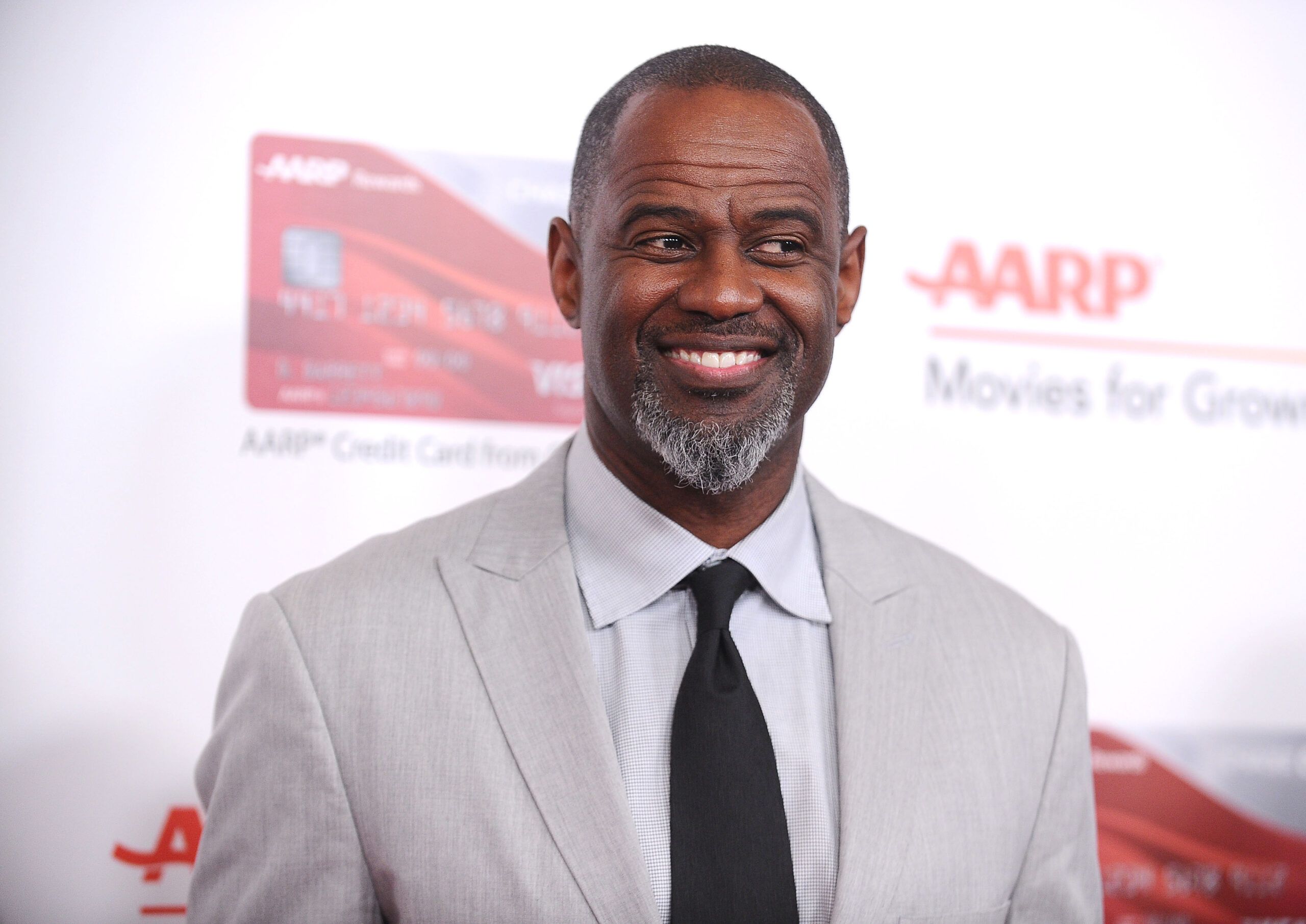
Photo Credit: Gamma-USA/Alamy Live Los Angeles, USA. 06th Feb, 2017. Brian McKnight arriving at the 16th Annual AARP The Magazine’s Movies For Grownups Awards at the Beverly Wilshire Four Seasons Hotel on February 6, 2017 in Beverly Hills,
Brian McKnight, renowned R&B artist, has faced public scrutiny in recent years due to strained family relationships and his attempts to start a new life. This article examines the timeline of McKnight’s public controversies, the broader conversation on reinvention and mental health, and the challenges of rebuilding family and personal identity after past trauma.
For decades, Brian McKnight was celebrated as one of R&B’s smoothest and most enduring voices. Yet today, he navigates a different spotlight, one shaped by controversy and scrutiny over his family relationships (Atlanta Black Star, 2025; Essence, 2025).
Once celebrated across generations for his silky voice and timeless R&B hits like “Back at One,” Brian McKnight now finds himself at the center of a very different kind of spotlight; one casting a harsh glare on his personal life. Over the past months, the veteran singer has weathered widespread backlash over comments about his past relationships and children, forcing many fans to question whether McKnight’s decision to “start over” has come at the cost of his legacy and personal integrity.
From Beloved R&B Icon to Public Controversy
Known for decades as a smooth-voiced romantic crooner, McKnight once seemed destined for long-lasting reverence in R&B history. Yet that legacy has recently been overshadowed by a series of revelations and public statements about his family life that have surprised and angered many longtime supporters.
In a widely publicized interview, McKnight recounted his narrative of meeting his first wife, Julie McKnight, while in college. He admitted that, although they married and had children, “he was never in love with their mother,” framing their relationship more as an obligation than one rooted in affection. (Atlanta Black Star)
Those comments reopened deep wounds , especially given the fraught relationships with his children from past relationships. For years, McKnight’s relationship with his eldest children: Brian McKnight Jr.; Niko McKnight; Briana McKnight; and Clyde McKnight has been strained. (Essence)
In April 2024, McKnight further stirred controversy by referring to his eldest children as “products of sin,” calling them “evil” and declaring that, to live a life he loves, he needed to “get rid of the evil and negativity, even if that evil and negativity is related to you.” (Atlanta Black Star)
That abrupt rejection of his own children, especially during a time when one of them, Niko, was battling cancer, stunned many fans and tarnished McKnight’s public image. (Yahoo)
The Fallout: Boycotts, Canceled Shows, and a Fractured Legacy
The backlash was swift and far-reaching. Tours and scheduled concerts began to collapse under the weight of public outrage. According to reports, one of his Detroit shows was canceled after fans organized a boycott in protest of his remarks about his children. (Music Times)
Further signifying the damage to his professional standing, Claflin University canceled a planned appearance by McKnight for a scholarship fundraiser, a clear indication that institutions are also reconsidering their association with him. (Yahoo)
Perhaps most painful publicly was his reaction after the death of his son Niko in May 2025. Following the loss, McKnight publicly criticized other family members over how the death was shared on social media, calling the memorial posts “tasteless and self-aggrandizing” and accusing them of “turning tragedy into drama.” (Yahoo)
The response from fans was largely one of disgust and disappointment. Many questioned how a father could treat his own children, especially a dying son, with such apparent coldness. (Atlanta Black Star)
Trying to “Start Over”: But at What Cost?
McKnight’s shift toward a new chapter in his personal life, including a marriage to his second wife, Leilani Mendoza, and seemingly a desire to redefine his identity, has been interpreted by some as a fresh start. (BET)
But many fans and former supporters argue that this reinvention came at a heavy cost: the perceived abandonment of his past, namely, his own children. For many, McKnight’s narrative of “starting over” looks less like redemption and more like repudiation.
Reflection: When Reinvention Overshadows Responsibility
The story of Brian McKnight today is less about hits on the charts and more about the conflict between rebirth and responsibility. His choice to publicly disavow family in favor of a new life may signal a desire to move on, but it also raises complex ethical questions about loyalty, fatherhood, and the silent victims of “starting over.”
For many, McKnight’s legacy will now be judged not just by his music, but by how he treated the people closest to him and by whether fame and reinvention are worth the heartbreak left behind.
As McKnight builds a new life with his current wife and youngest child, public opinion is divided. Some view his reinvention as an effort to find peace and personal growth; others see it as abandonment of his older children. This situation sparks a broader, universal question: Is it possible to start over after painful relationships fracture beyond repair, and what does healthy reinvention look like?
Timeline of Reinvention and Public Backlash
2022–2023: Family Fractures Surface Tensions with McKnight’s older children; Brian Jr., Niko, Briana, and Clyde, resurface publicly, and fans notice he highlights only his youngest child and stepchildren, prompting early criticism (AOL, 2025).
2023: New Identity McKnight legally changes his name to align with his newborn son with Leilani Mendoza, interpreted by many as symbolic distancing from older children (BET, 2025).
2024: Public Comments About Children McKnight refers to his older children as “products of sin” and “evil,” claiming he severed ties for peace and happiness. Social media backlash is swift (Atlanta Black Star, 2024).
Mid-2024: Boycotts and Cancellations Several fan-led boycotts result in canceled concerts, and institutions remove McKnight from scheduled events (Music Times, 2024).
Late 2024: Legal Disputes and Media Coverage McKnight publicly claims he was “never in love” with his first wife, Julie, further straining relations with his older children (Soap Central, 2025).
2025: Loss of Son Niko McKnight’s son Niko passes away after battling cancer. McKnight publicly criticizes family memorial posts, sparking outrage (Yahoo!, 2025).
2025–Present: Rebuilding and Public Debate McKnight emphasizes “starting over” and creating a new family identity. Public opinion remains divided regarding whether his actions represent healthy reinvention or abandonment (Atlanta Black Star, 2025).
“The story of starting over is never clean , but it is always human.”
The Complexity of Starting Over: Renewal is Possible and Often Necessary
People often reach points in life where old relationships and trauma become too heavy. Starting over can create space for healing, self-discovery, emotional stability, and growth (BET, 2025).
Letting Go Does Not Always Mean Lack of Love
Distance from past relationships can protect mental health and provide necessary boundaries. It does not inherently equate to hatred or rejection.
Mental Health Matters
Long-term exposure to unresolved family conflict can erode mental well-being. Choosing to rebuild one’s life can be an act of self-care (Atlanta Black Star, 2025).
People Handle Conflict Differently
Conflict management varies based on personality, upbringing, trauma history, and emotional bandwidth. Not all relationships can or should be repaired; some require boundaries and distance.
Accountability is Critical
Healthy reinvention requires reflection, empathy, and responsibility. Renewal without accountability risks avoidance; renewal with honesty allows for meaningful growth.
Conclusion: The Unfinished Story of Reinvention
Brian McKnight’s journey illustrates the complexity of personal reinvention after conflict and trauma. His decision to start over, whether viewed as courageous or controversial, highlights a universal human truth: people evolve, relationships change, and healing manifests differently for each individual (Essence, 2025).
Reinvention is both a risk and a responsibility. It requires honoring the past while creating a future aligned with personal growth, mental health, and peace. McKnight’s story remains unfolding, but it serves as a reminder that starting over is not only possible, it is often necessary, when approached with compassion, self-reflection, and accountability.
Expert-Style Insights on Starting Over
Healing Requires Distance: Recovery may begin by stepping away from harmful dynamics.
Starting Over Doesn’t Erase the Past: Growth involves honoring past experiences, not rewriting history.
Conflict Styles Are Learned: Coping and responses to conflict are shaped by upbringing, trauma, and personality.
Reinvention Works Best with Accountability: Reflection, empathy, and responsibility are key to sustainable change.
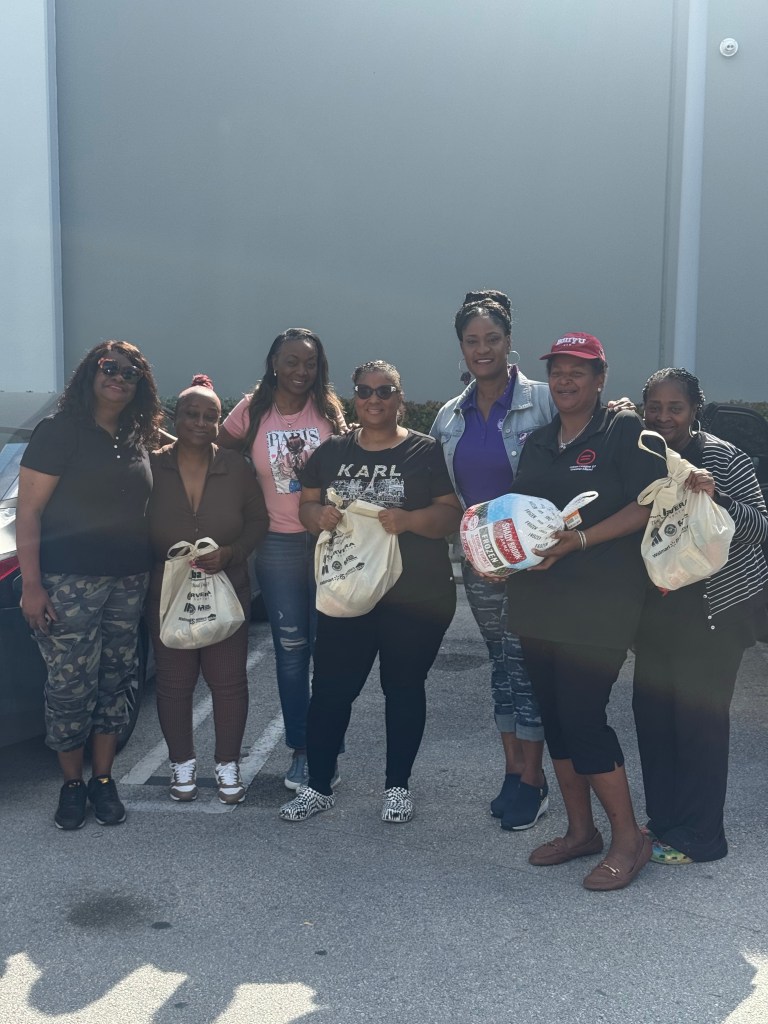
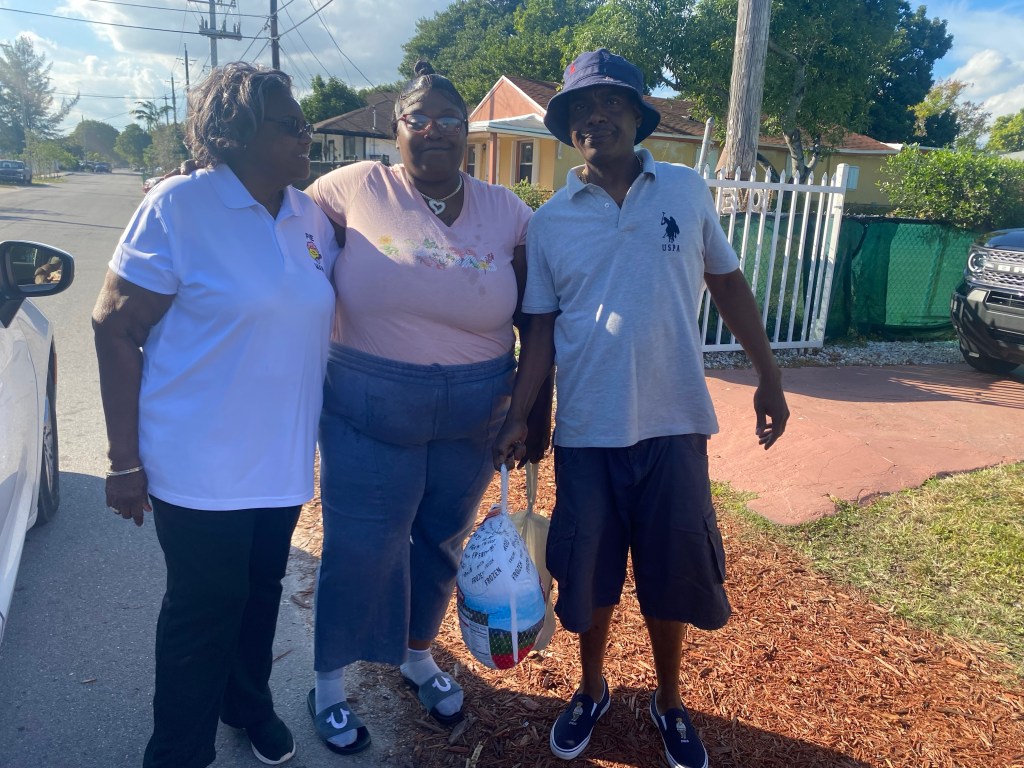
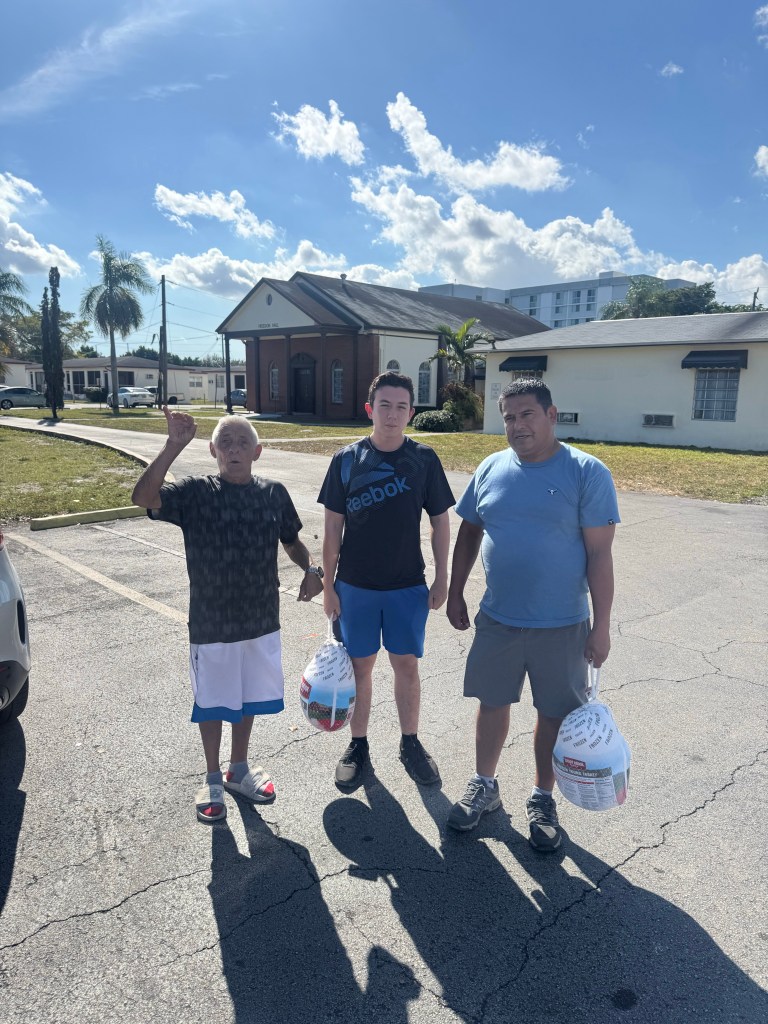
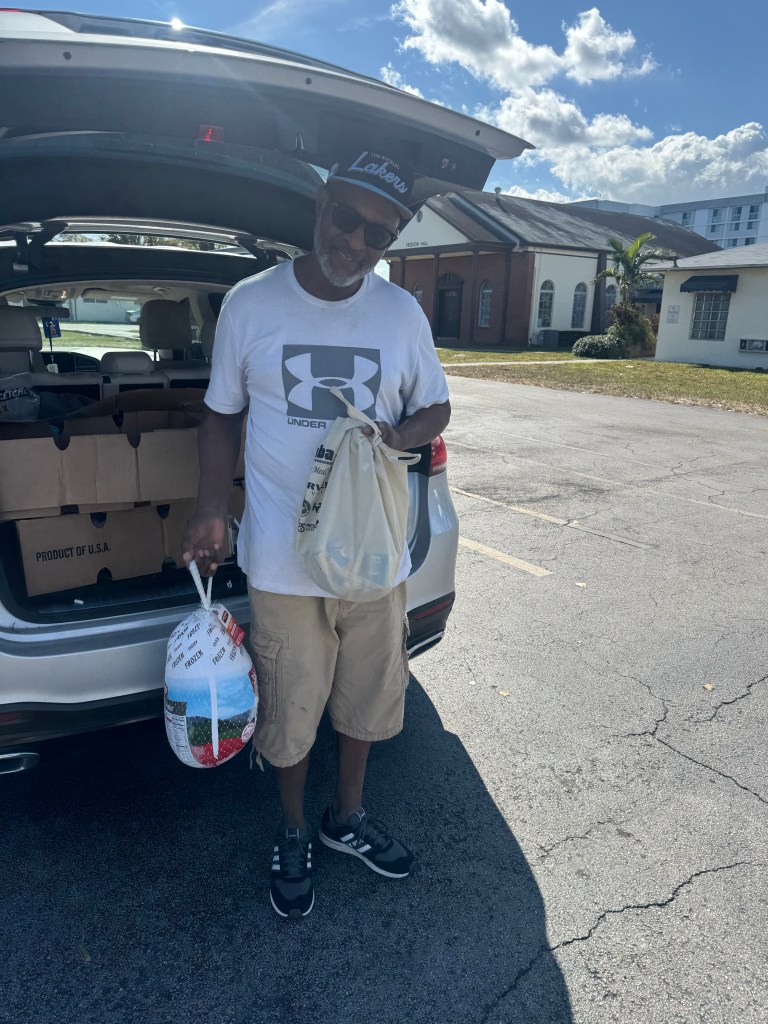
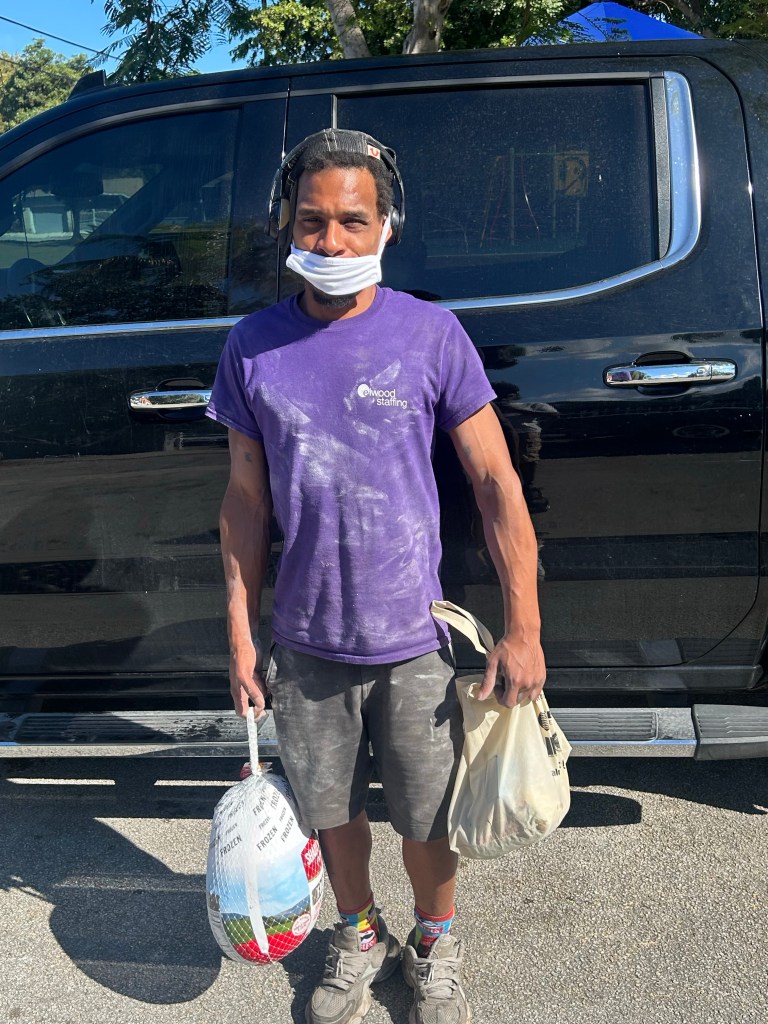
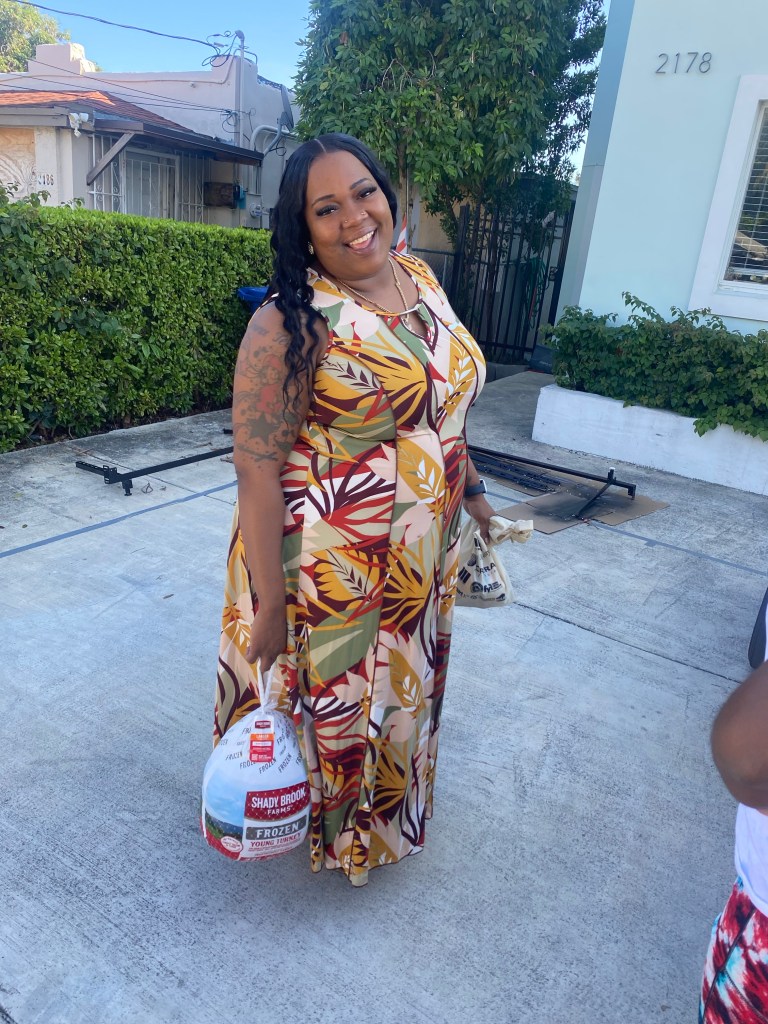
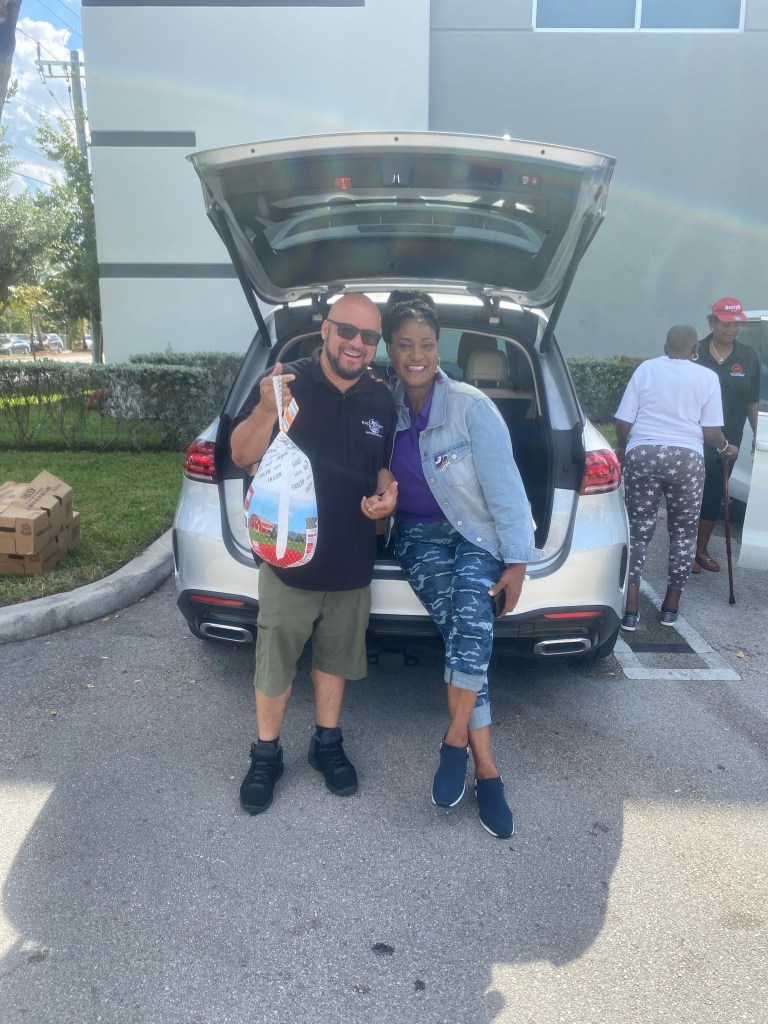
The spirit of gratitude and community was alive and thriving on Saturday, November 22, 2025, as the Latin American Business Association (LABA), along with its sponsors and partner organizations, hosted a highly successful 16th Annual Thanksgiving Drive-Thru Meal Giveaway at the Assault Brigade 250G Museum in Hialeah Gardens. From 12:00 p.m. to 2:00 p.m., cars lined NW 107th Avenue as families eagerly awaited a warm holiday meal to take home.
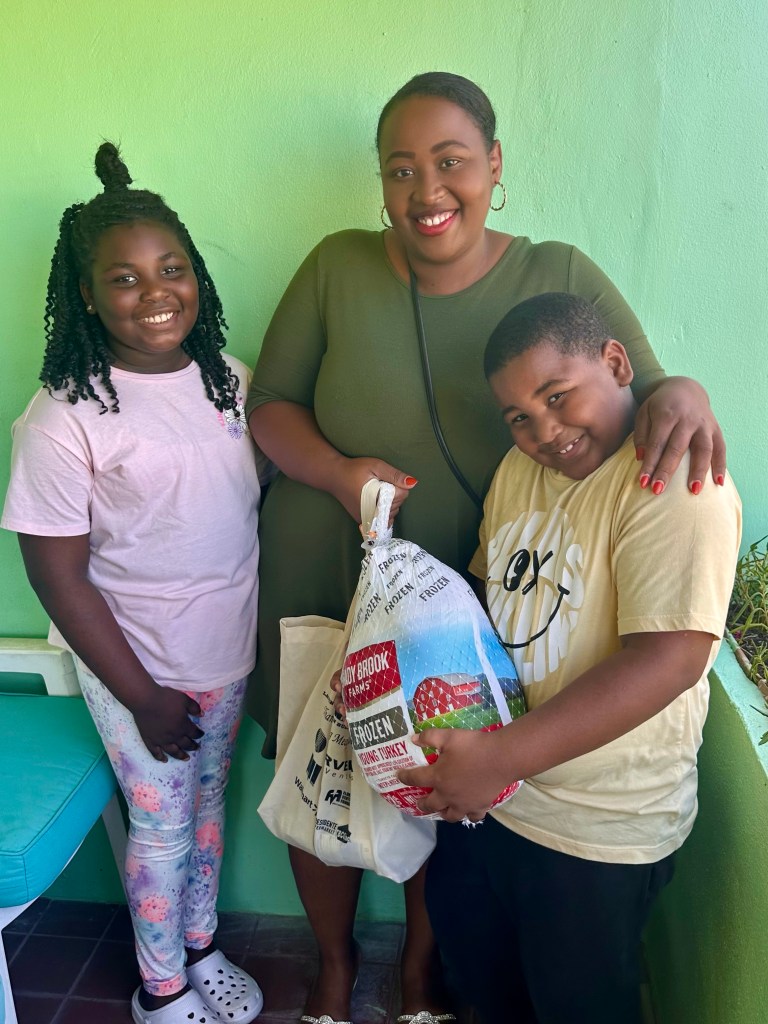
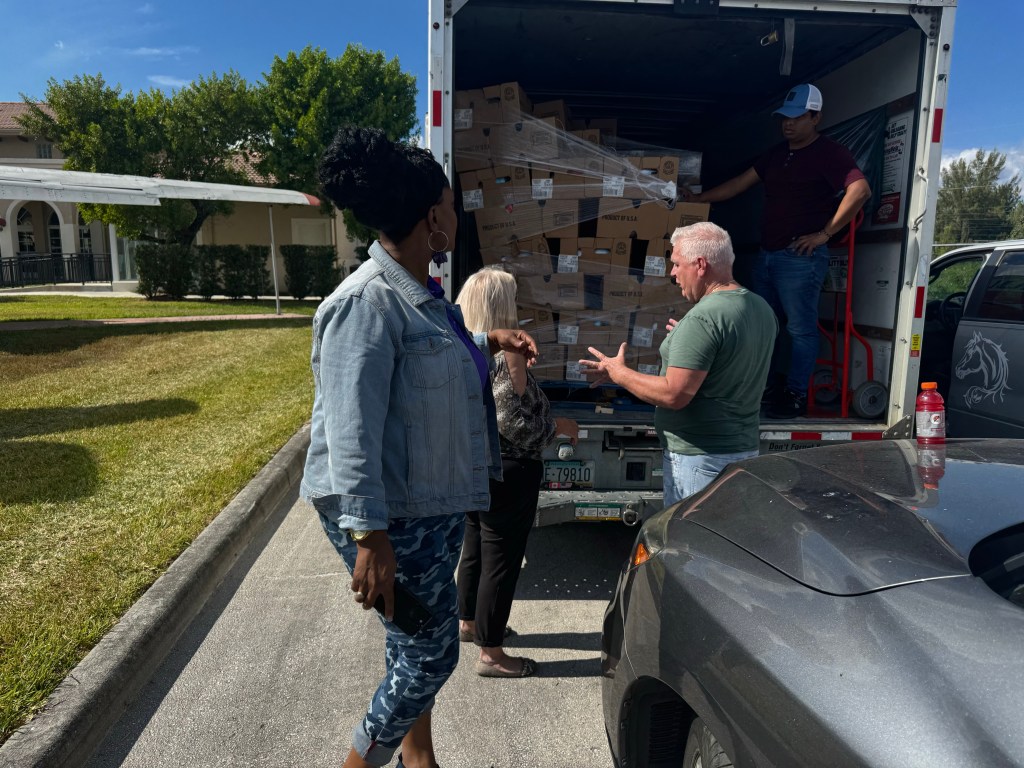
This year’s event surpassed expectations, providing more than 500 complete Thanksgiving meals to families of four who may otherwise have struggled to celebrate the holiday. The drive-thru distribution ran smoothly, thanks to a coordinated team of volunteers who guided vehicles, handed out meal packages, and shared heartfelt holiday wishes.
Adding to the festive atmosphere, Excitement Radio was onsite conducting live interviews with attendees, capturing their stories, gratitude, and holiday spirit. Their presence helped bring even greater visibility to the event and highlighted the importance of community support during the Thanksgiving season.
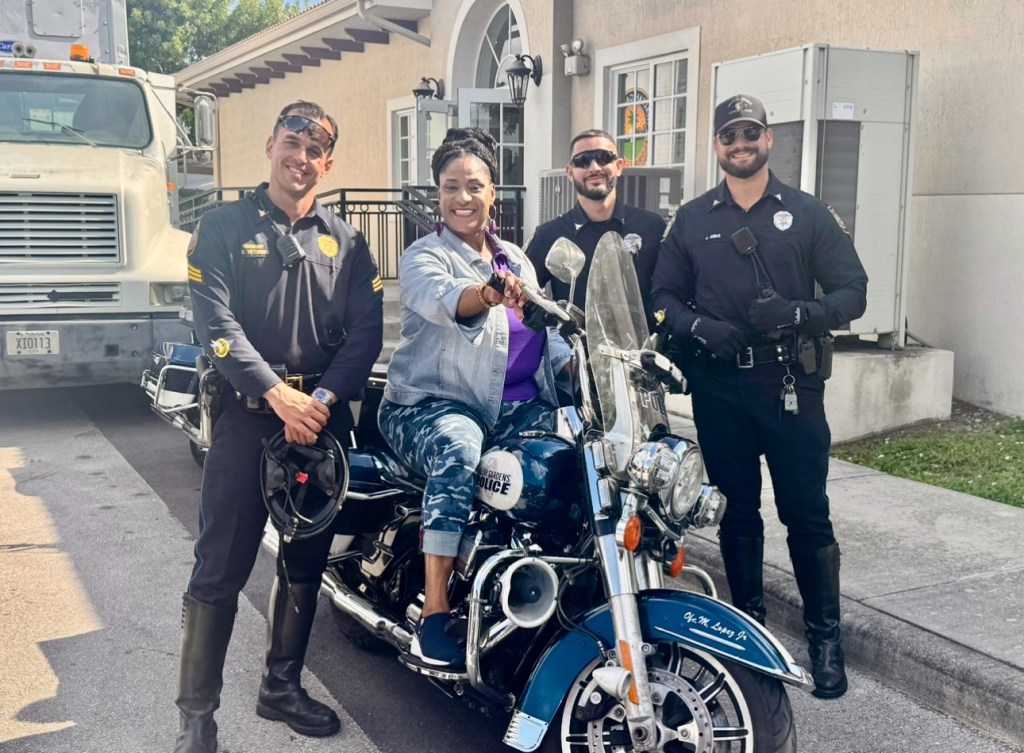
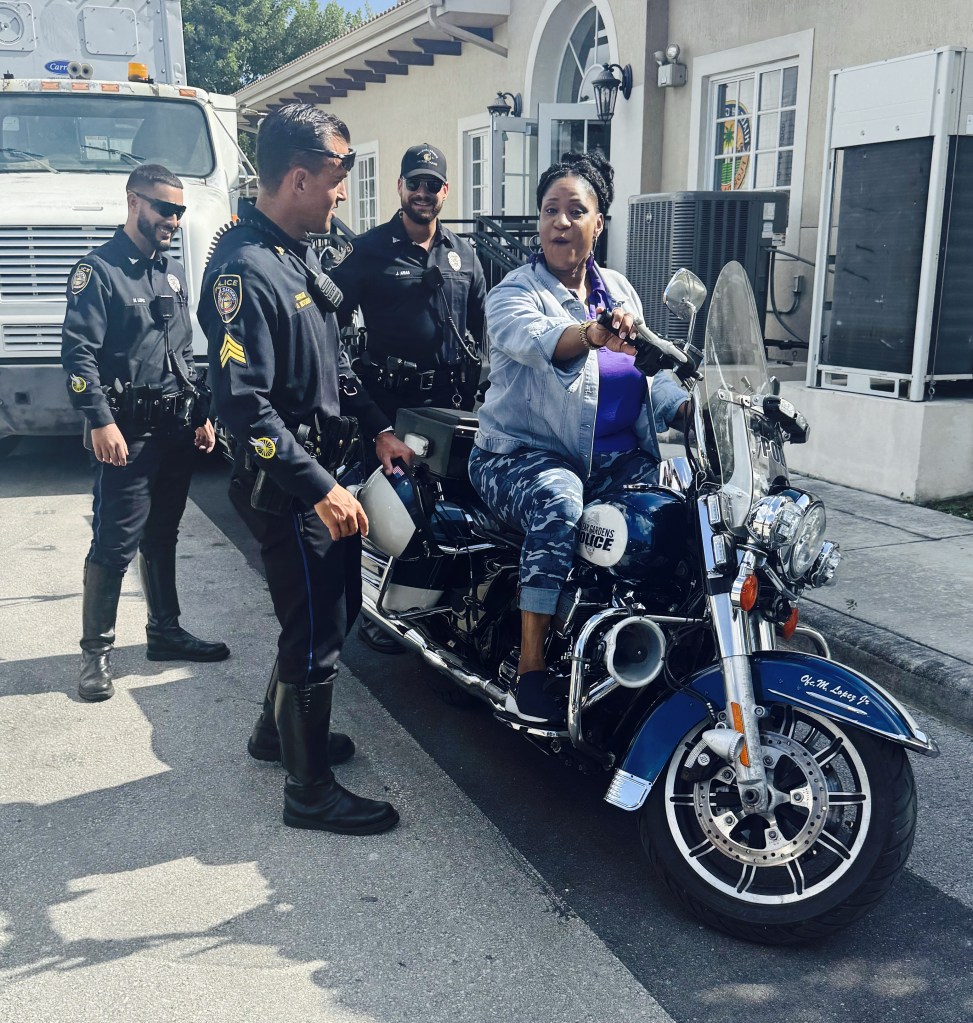
The event’s success was also made possible through strong collaboration with local agencies. The Hialeah Gardens Police Department provided security and assisted with traffic flow, ensuring a safe and efficient drive-thru process for all participants. Staff from the City of Hialeah Gardens were also present, offering support throughout the event and contributing to its smooth operation.
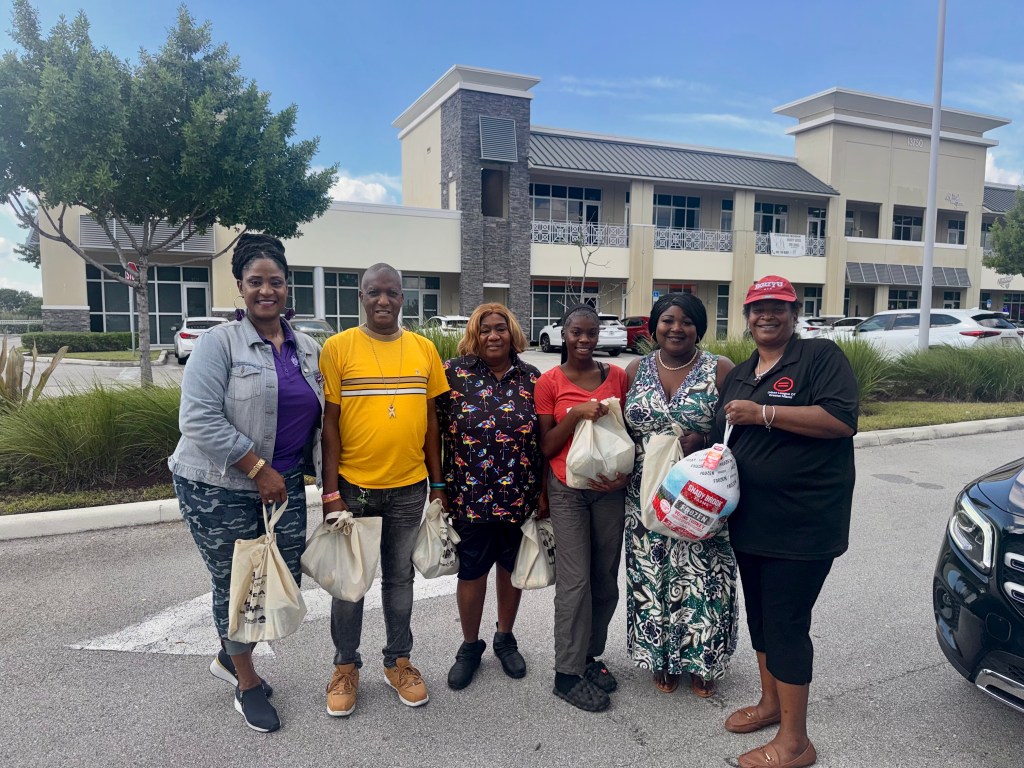
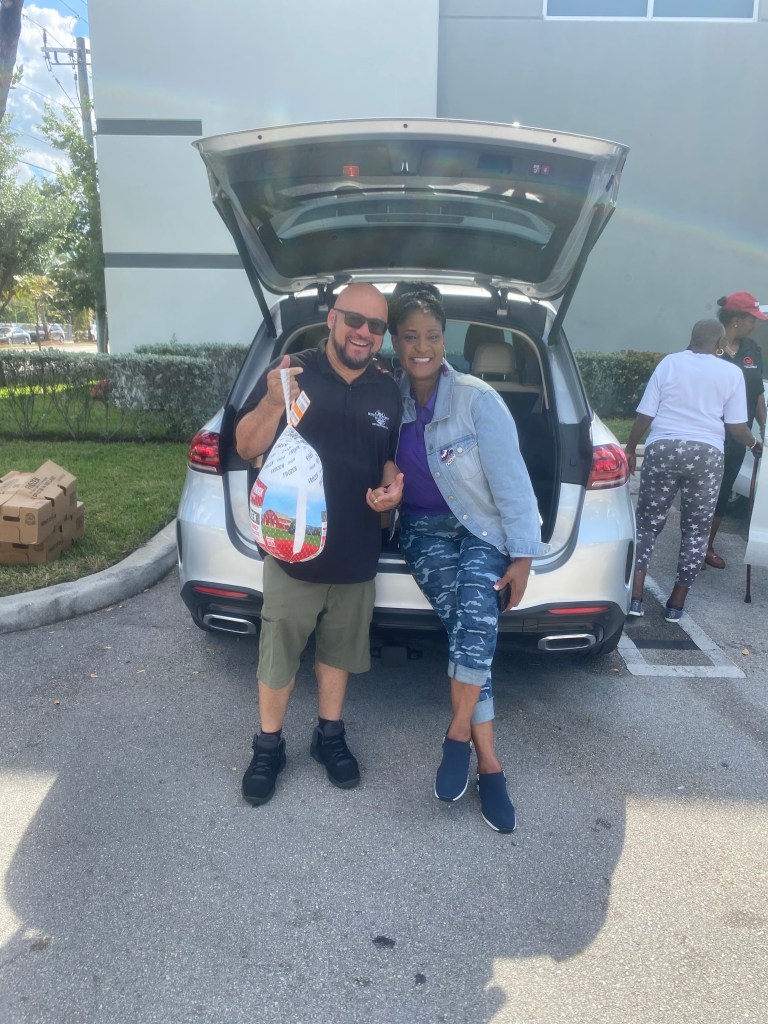
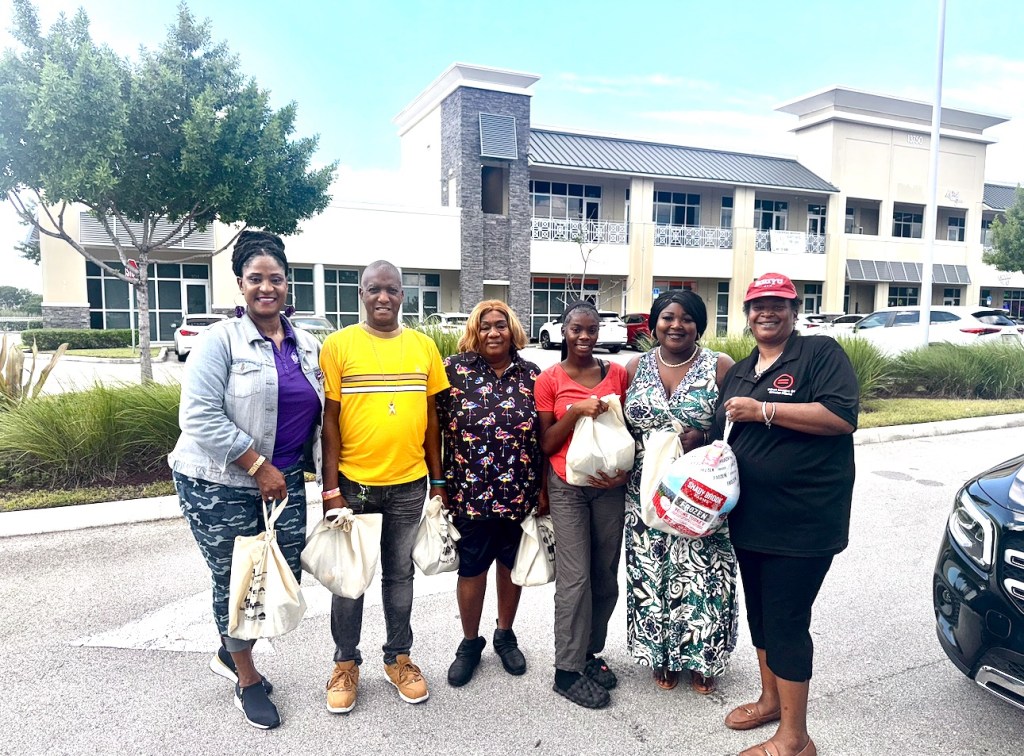
Photo: Charito and Florida Venture Foundation Members
LABA and its sponsors were joined by several dedicated volunteer organizations, including the National Council of Negro Women – Metropolitan Dade County Section, Excitement Radio Station, Inc., Urban Community Connections, Inc., and the Urban League of Greater Miami, Inc., whose service was vital to the event’s success.
One of the proud supporters, Alina from the Florida Venture Foundation, expressed her gratitude for being part of such a meaningful initiative. “Seeing so many families leave with smiles and the comfort of knowing they’ll have a complete Thanksgiving meal is truly rewarding,” Alina shared. “Florida Venture Foundation is honored to support an event that brings hope, dignity, and joy to our community during the holiday season.”
As Thanksgiving approaches, the success of this year’s giveaway highlights the power of collaboration and compassion across the community. LABA and its partners remain deeply committed to uplifting local families and ensuring that everyone has the opportunity to experience the warmth and unity that define the holiday.
A successful day, a grateful community, and a Thanksgiving filled with heart.
Since 2016, the relationship between American evangelicalism and Donald Trump has become one of the most widely examined intersections of religion and politics in the United States. Within charismatic and prophetic Christian networks, Trump has not only been supported politically but has been increasingly framed as a divinely appointed leader. This belief intensified following events such as his election, legislative actions regarding Israel, and the 2024 assassination attempt. Reporting from major news outlets, including The Washington Post (2024), Associated Press (2024), and Politico (2024). reveals a consistent narrative: for many believers, Trump is not merely a political figure but a central actor in a divine, prophetic unfolding. This article analyzes the development of these narratives, their theological basis, their political implications, and the critiques they have generated.
Historical Foundations of Prophetic Beliefs Surrounding Trump
Prophetic interpretations of Trump’s role emerged even before his first presidential candidacy. Early prophetic voices, such as retired firefighter Mark Taylor, claimed to have received divine messages predicting Trump’s rise as early as 2011. While these claims remained fringe at first, they gained traction within the charismatic Christian movement following Trump’s successful 2016 campaign.
The New Apostolic Reformation (NAR), a decentralized movement emphasizing modern prophecy, apostolic authority, and societal transformation, became a major vehicle for these interpretations. Its leaders frequently framed Trump as a “Cyrus figure,” referencing the Persian king whom God used to accomplish divine purposes despite his non-Israelite identity (Le Monde, 2025). This analogy allowed believers to reconcile Trump’s morally controversial behavior with the claim that God had chosen him uniquely for national restoration.
Divine Protection and the July 2024 Assassination Attempt
The assassination attempt on Trump in July 2024 dramatically amplified prophetic narratives. According to The Washington Post (2024), leaders such as Franklin Graham interpreted Trump’s survival as evidence of direct divine intervention, suggesting that God spared his life for a purpose not yet fulfilled. Trump himself fueled this perception, publicly stating that God alone prevented his death.
Megachurch sermons reported by Politico (2024) frequently described Trump as God’s “chosen one” or positioned him within biblical frameworks emphasizing divine protection. Congregations across the United States held prayer services portraying the event as confirmation that spiritual forces were at work in contemporary politics. These reactions reinforced the belief that Trump’s leadership is spiritually significant and that the nation is engaged in a cosmic battle between good and evil.
Prophetic Conferences and the Narrative of Spiritual Warfare
Prophetic conferences serve as key social and theological hubs for spreading the belief that Trump’s presidency is divinely ordained. The Associated Press (2024) reported on a major event; the Opening the Heavens conference in Iowa. where leaders openly connected Trump’s reelection prospects to a battle between divine and demonic forces.
Attendees participated in collective declarations such as the “Watchman Decree,” affirming Christian dominion over governmental and cultural spheres. Leaders prayed against “satanic attacks” on Trump, describing him as a vessel through whom God would reshape the nation. In these contexts, Trump is essential not because of policy expertise but because he occupies a spiritual office within prophetic cosmology.
Biblical Typology and Theological Justifications
The belief in Trump’s divine appointment often rests on biblical typologies. As Le Monde (2025) notes, he is frequently compared to King David; a flawed but anointed leader or to King Cyrus, a nonbeliever used by God to accomplish sacred purposes. These comparisons provide theological legitimacy for political loyalty, suggesting that moral or personal shortcomings do not preclude divine selection.
Such typologies reflect longstanding patterns in charismatic Christianity, where political events are interpreted through an eschatological lens. In this view, Trump’s presidency represents a pivotal moment in salvation history, linked to spiritual revival, national restoration, and the fulfillment of prophecy.
Criticisms and Democratic Implications
Scholars and religious ethicists have raised concerns about the blending of prophetic spirituality and partisan politics. The Washington Post (2019) argues that referring to Trump as “the chosen one” functions as a political act as much as a theological statement, potentially blurring the boundaries between civic authority and divine mandate. When political leaders are framed as instruments of God’s will, dissent may be viewed not merely as disagreement but as spiritual rebellion.
Sociologists have also warned about the mobilizing power of prophetic claims. Prophetic messaging can motivate voters with a sense of divine urgency, but it can also deepen polarization and legitimize extreme actions by framing political opponents as demonic or divinely opposed.
Final Thoughts
The belief that Donald Trump’s presidency is a fulfillment of divine prophecy represents a powerful intersection of religion and politics within contemporary American evangelicalism. Rooted in charismatic traditions, shaped through prophetic conferences, and amplified by national media coverage, these narratives have both mobilized political support and provoked theological and civic concerns. As Trump continues to occupy a central position in American political life, the prophetic narratives surrounding him will likely remain influential, shaping both voter behavior and religious identity in the years to come.
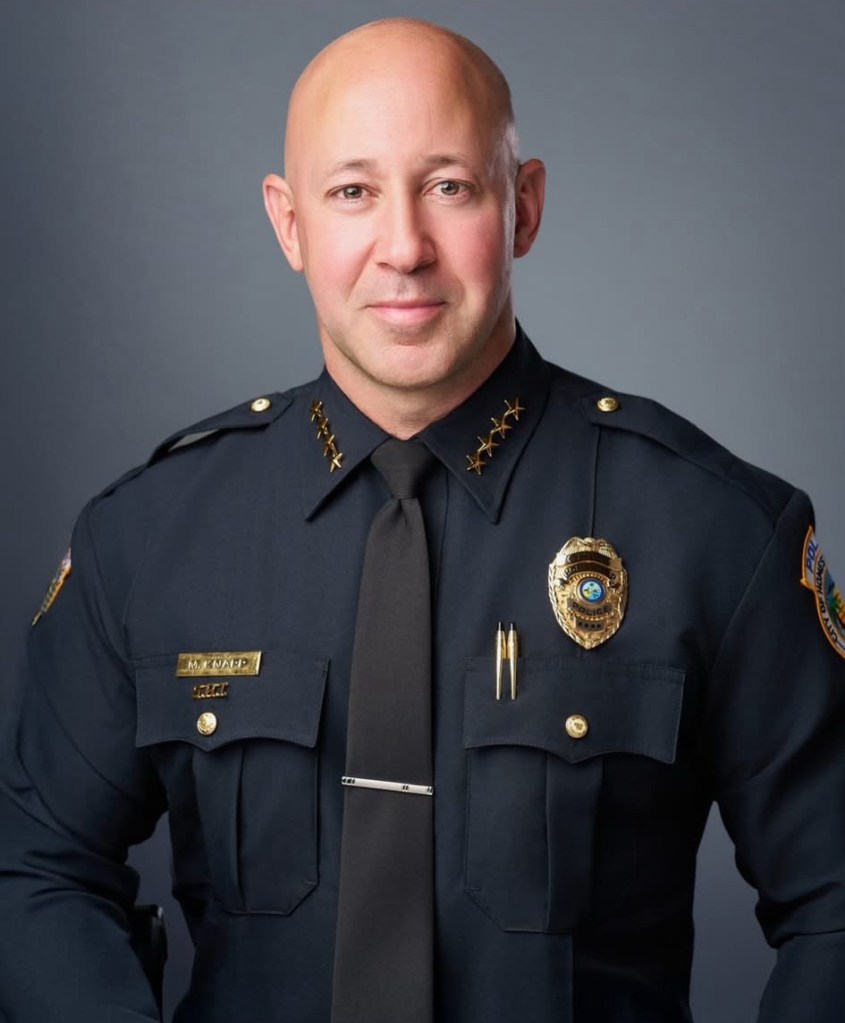
Photo: Mario Knapp, Chief City of Homestead Police Department (FB: Mario Knapp)
When Mario Knapp was sworn in as Chief of City of Homestead Police Department (HPD) on January 3, 2025, the ceremony represented more than a leadership transition. It marked a pivotal moment for a city experiencing rapid growth, new economic development, and evolving public-safety challenges. With nearly three decades of experience in the Miami-Dade Police Department, Chief Knapp brings not only command-level expertise but also a philosophy built on trust, analytics, and a deep commitment to community partnerships.
A Leader Forged Through Experience
Chief Knapp’s law-enforcement journey began in 1994 with the Miami-Dade Police Department, where he served in numerous high-impact roles. His command experience spans critical units such as SWAT, Bomb Squad, Marine Patrol, K-9, Motors, Seaport Operations, and the Crime Suppression Unit. He is widely respected for his expertise in use-of-force training and for helping develop active-shooter protocols used nationally.
Knapp’s leadership was especially visible during the Surfside condo collapse, where he served as the Command Post Incident Commander, an experience that demonstrated his ability to lead with calm precision in moments of crisis.
Now, as Homestead’s Chief of Police, he brings this depth of knowledge to a department poised for transformational growth.
Strengthening the Homestead Police Department
HPD is a mid-sized, full-service police agency operating out of 45 NW 1st Avenue and staffed by approximately 130 sworn officers and more than 80 civilian personnel. Under Chief Knapp, the department is steadily growing and modernizing to meet the needs of a city on the rise.
Key HPD Units and Special Teams
SWAT / Hostage Negotiations
K-9 Unit
Traffic & Motors Unit
Special Investigations Unit (SIU)
Community Action Team (CAT)
Crime Scene Investigations (CSI)
Community Policing Unit (CPU)
Chief Knapp has made it clear: as Homestead grows, HPD must grow “proportionally and strategically,” with a focus on both capability and community presence.
Community Policing at the Center
One of Knapp’s first priorities has been strengthening the department’s community-policing framework. Rather than relying solely on enforcement, he views public safety as a long-term collaboration with residents, civic leaders, local businesses, and youth organizations.
HPD’s Community Programs Include:
Group Violence Intervention (GVI)
Police Athletic League (PAL)
Police Explorers (youth leadership program)
Start Off Smart (SOS) social-service partnership
Citizen’s Police Academy (CPA)
From neighborhood walks to school presentations and community meetings, HPD’s presence has become more visible—an intentional move by Knapp to reinforce trust, transparency, and accessibility.
Data-Driven Policing: Smart, Targeted, Effective
Beyond community outreach, Chief Knapp is modernizing HPD through analytics and strategic deployment. His philosophy is simple: diagnose before you prescribe.
Using crime statistics, geographic trends, and call-for-service data, HPD is enhancing how officers are positioned across the city. The goal is to reduce response times, prevent incidents before they escalate, and use limited resources efficiently.
This shift comes at a critical time, as Homestead continues to experience some of the highest crime rates in Florida.
Crime in Homestead: The Numbers Behind the Challenge
A clear-eyed view of Homestead’s public-safety environment shows a city with serious but addressable challenges.
Recent Crime Statistics
Over 4,343 violent crimes and 5,833 property crimes occurred in Homestead from 2019–2023.
The violent-crime rate averaged 2,048.8 per 100,000 residents, well above state and national averages.
In 2022, Homestead recorded:
513 aggravated assaults
205 robberies
30 rapes
5 murders
In 2023, the city logged 1,836 property crimes, including burglary, larceny, and motor-vehicle theft.
While these figures underscore the obstacles ahead, Chief Knapp’s initiatives target both the root causes and the patterns behind these trends.
From Enforcement to Engagement: Building Public Trust
Knapp understands that improving safety is not just about lowering statistics, it’s about how residents feel. To strengthen community trust, HPD has taken meaningful steps:
Expanding accessibility through public meetings and neighborhood patrols
Increasing body-camera transparency and timely public-records responses
Enhancing officer training, particularly in de-escalation and crisis intervention
Building youth mentorship pathways through PAL and Explorers
Collaborating with social-service networks to support victims and at-risk families
Early feedback from residents and community leaders reflects growing confidence in HPD’s direction.
Challenges Ahead and a Vision for the Future
Homestead’s rapid development of new housing, commercial expansion, and population growth presents a dual challenge: rising service demands and a more complex safety landscape.
Chief Knapp has outlined several long-term priorities:
Expanding sworn staffing to meet national policing benchmarks
Improving dispatch and communications infrastructure
Streamlining investigative processes for faster case resolutions
Strengthening partnerships with schools, faith-based groups, and nonprofits
Securing accreditation, which ensures national best practices in transparency and professionalism
His leadership style, collaborative, analytical, and forward-leaning, may be exactly what Homestead needs as it navigates its next chapter.
The Path Forward
Chief Mario Knapp faces a difficult but crucial mission: to reduce crime, strengthen community bonds, and build a modern, trusted police department. Yet early signs point to a positive trajectory. His blend of experience, innovation, and community commitment positions HPD to deliver meaningful, lasting change.
In a city defined by diversity, growth, and resilience, Knapp’s leadership is helping write a new story for Homestead; one where safety, partnership, and progress move hand in hand.
Resources
Homestead Police Department 45 NW 1st Ave, Homestead, FL 33030














 CWC News