District 1 Deserves a School Board Leader Prepared to Continue a Legacy of Service

By Sharron L. Henley, MA, MIN, Journalist and Radio Personality
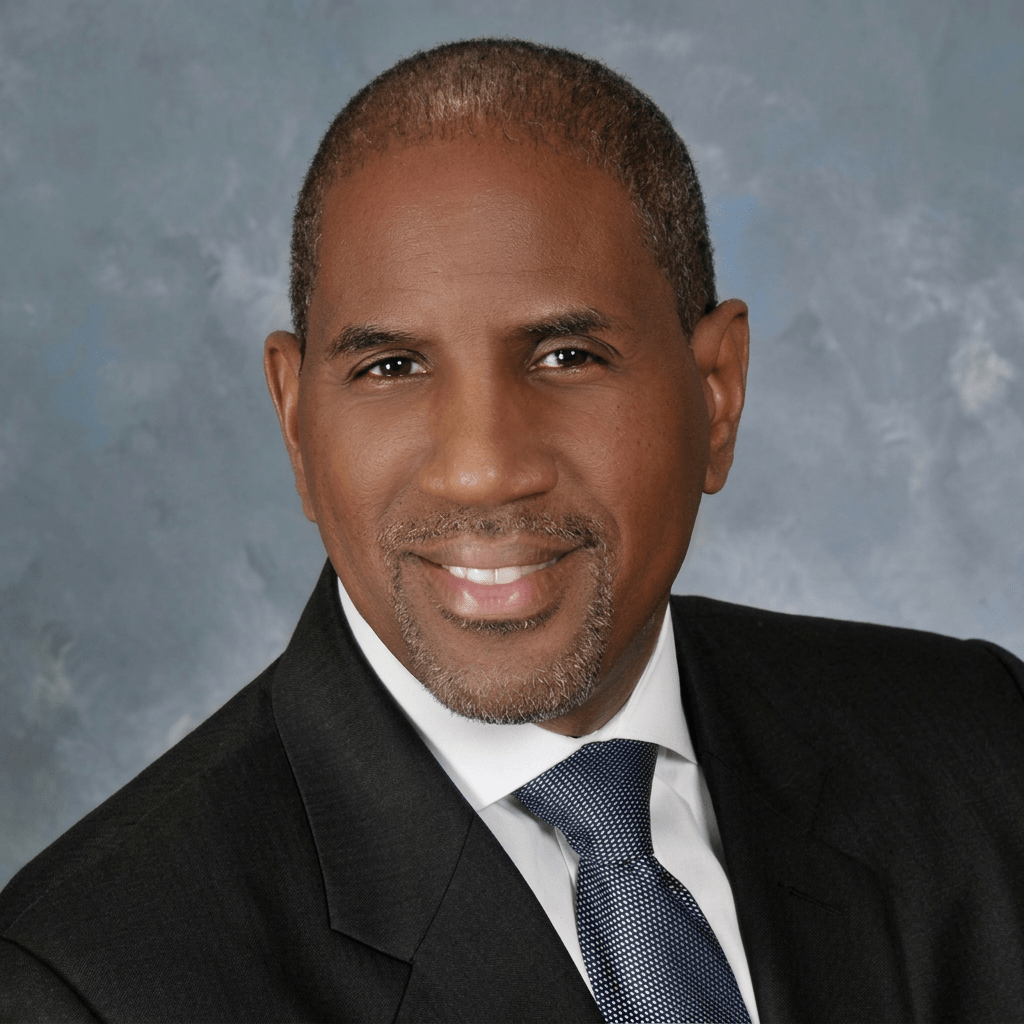
Photo: Dr. Steve Gallon, III, former School Board Member, District 1, Miami-Dade County Public Schools. (www.dadeschools.net)

The election to fill the vacant Miami-Dade County Public Schools District 1 School Board seat is about more than replacing an elected official. It is about preserving a standard of leadership that has served students, families, educators, and the broader community well for many years.

Former School Board Member Dr. Steve Gallon III resigned from the School Board after being elected, without opposition, to represent District 1 on the Miami-Dade County Commission. His departure leaves more than an empty seat, it leaves a high standard for public service.

Dr. Gallon distinguished himself through preparation, policy knowledge, and an unwavering commitment to public education. School Board meetings consistently reflected his command of educational issues, thoughtful questioning, and careful attention to how district decisions would affect students, teachers, administrators, and families. Whether the discussion centered on academic achievement, school safety, capital improvements, or budget priorities, he approached the work with diligence and a clear understanding of the responsibilities entrusted to him.

That level of preparation should not be viewed as exceptional; it should be the expectation.

Serving on the governing board of one of the nation’s largest public-school districts requires much more than attending meetings and casting votes. School board members oversee billions of dollars in public resources, establish district policy, hire and evaluate the superintendent, and make decisions that directly affect the educational opportunities available to hundreds of thousands of students. Those responsibilities demand a thorough understanding of education policy, fiscal stewardship, governance, and public accountability.

District 1 cannot afford a representative who intends to learn the job after taking office. The community deserves someone who arrives prepared to contribute immediately, asks informed questions, studies the issues, and works collaboratively with fellow board members while remaining an independent advocate for students, parents, educators, and taxpayers.

Replacing a leader with Dr. Gallon’s experience and institutional knowledge is no small task. His years of service established expectations for accessibility, preparation, and advocacy that should continue to define representation for District 1. His successor will inevitably be measured against those standards, and rightly so.

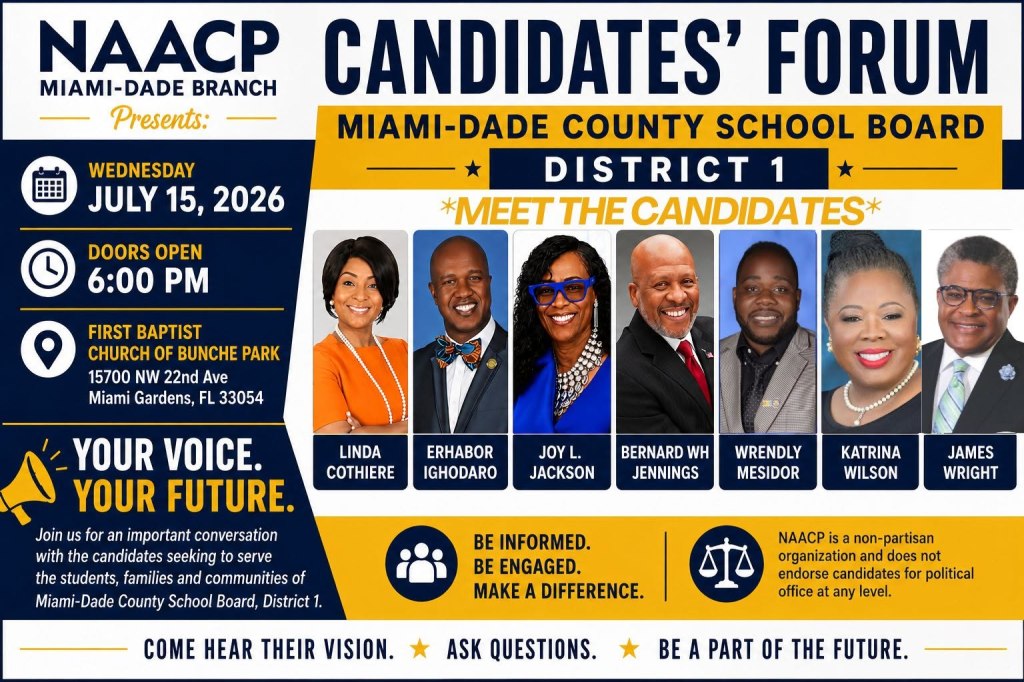
Fortunately, voters have a diverse and accomplished field of candidates from whom to choose. The candidates are Linda Cothiere, Erhabor Ighodaro, Dr. Joy L. Jackson, Bernard W.H. Jennings, Wrendly Mesidor, Katrina Wilson, and James Wright. Collectively, they bring experience in education, public service, municipal government, law enforcement, business, and community leadership. Their varied backgrounds provide District 1 voters with meaningful choices as they determine who is best prepared to serve on the School Board.

Professional titles alone neither qualify nor disqualify a candidate. Voters should look beyond campaign slogans, endorsements, and name recognition to evaluate who has demonstrated the preparation, understanding of public education, collaborative leadership, sound judgment, and commitment to public service necessary to oversee one of the nation’s most complex school systems.

District 1 deserves a School Board member who understands that every vote carries consequences for classrooms, teachers, parents, taxpayers, and, most importantly, students. Experience matters. Preparation matters. Accountability matters. Those qualities should outweigh political ambition, campaign rhetoric, or personal popularity.

Ultimately, the decision belongs to the voters of District 1. The nonpartisan primary election will be held on Tuesday, August 18, 2026. Under Florida law, a candidate must receive more than 50 percent of the vote to win outright. If no candidate reaches that threshold, the top two finishers will advance to the General Election on Tuesday, November 3, 2026.

With seven qualified candidates seeking the seat, a runoff is a realistic possibility, making participation in both elections especially important. The next School Board member will help shape educational policy, oversee significant public resources, and influence the future of Miami-Dade County Public Schools for years to come.

District 1 has an opportunity to choose a leader who is prepared to serve from the first day in office and committed to maintaining the high standard of leadership that Dr. Steve Gallon III established. Voters should seize that opportunity by electing a candidate whose record demonstrates the experience, knowledge, integrity, and dedication necessary to lead one of America’s largest public school districts.

An excellent opportunity for voters to hear directly from the candidates will be the NAACP Miami-Dade Branch’s School Board District 1 Candidates’ Forum. The forum will bring together the candidates seeking to represent District 1 on the Miami-Dade County School Board, providing residents with an opportunity to hear their positions on issues affecting public education, ask questions, and compare their qualifications firsthand. Community forums such as this play an important role in helping voters make informed decisions based on the candidates’ knowledge, priorities, and vision for the future of Miami-Dade County Public Schools.

Mason Jar Salads: A Simple Habit That Became a Healthy Lifestyle

By Sharron L. Henley, MA, MIN, Journalist and Radio Personality

Photo: Mason Jar Salads

Food has always represented far more than nourishment in my family. With roots extending from Louisiana to the vibrant cultures of Colombia, Panama, and Costa Rica, every meal reflects a story of resilience, migration, and tradition. Louisiana cuisine developed through centuries of African, French, Spanish, and Native American influences, creating the distinctive Creole and Cajun culinary traditions known for bold flavors and resourceful cooking. Likewise, the cuisines of Colombia, Panama, and Costa Rica emphasize fresh fruits, vegetables, legumes, rice, corn, plantains, and locally grown herbs, shaped by Indigenous foodways and enriched by African and European culinary traditions. Across each of these cultures, food serves as a means of preserving cultural heritage, strengthening family relationships, and bringing generations together around the table.

These traditions cultivated my appreciation for wholesome, flavorful meals. However, it was during a period of religious fasting that I began searching for practical ways to maintain a nutritious eating pattern. While looking online for a seven-day meal preparation plan, I repeatedly encountered mason jar salads. Their colorful appearance initially captured my attention, but their convenience, freshness, and nutritional balance ultimately convinced me to incorporate them into my routine.

What began as a temporary strategy to support my fasting, quickly evolved into a sustainable lifestyle change. Preparing mason jar salads in advance eliminated the temptation to rely on processed convenience foods while making balanced meals readily available throughout the week. Rather than simply serving as a meal preparation technique, mason jar salads transformed my perspective on nutrition by demonstrating that healthy eating can be simple, affordable, and satisfying.

Although mason jar salads are now widely associated with contemporary meal-preparation culture, the mason jar itself has a much longer history. John Landis Mason patented the Mason jar in 1858 as a durable container designed for preserving food through home canning. More than a century later, the concept of layering salads inside glass jars gained popularity through food bloggers, cookbook authors, and the growing meal-preparation movement. Mirabella’s (2014) cookbook Mason Jar Salads and More helped introduce this practical method to a broader audience, transforming an ordinary household item into a symbol of healthy convenience.

Mason jar salads are prepared by layering ingredients inside glass jars, beginning with the dressing at the bottom and ending with leafy greens at the top. This layering technique is more than aesthetically pleasing; it serves an important food preservation function. By preventing the dressing from contacting delicate greens until the salad is consumed, vegetables remain crisp and fresh for several days under proper refrigeration. Meal preparation strategies such as this can promote healthier eating habits by increasing the availability of nutritious meals and reducing reliance on less nutritious convenience foods (Academy of Nutrition and Dietetics, 2024).

Proper food safety practices are equally important when preparing mason jar salads. Before vegetables are assembled, they should be thoroughly washed under running water to remove dirt, bacteria, and pesticide residues that may remain from harvesting, transportation, and handling. Produce should also be completely dried before layering because excess moisture accelerates spoilage and reduces freshness during storage. According to the Centers for Disease Control and Prevention (CDC, 2024), washing produce and practicing safe food handling are essential steps in reducing the risk of foodborne illness. Proper refrigeration and careful food preparation also help preserve the quality, texture, and nutritional value of fresh ingredients throughout the week.

Nutrition experts recommend assembling mason jar salads in a specific order to maximize freshness. Salad dressing should be placed at the bottom of the jar, followed by dense vegetables such as carrots, cucumbers, bell peppers, beans, or whole grains. Protein sources, including tuna, boiled eggs, tofu, or chickpeas, should be layered next, while delicate leafy greens are placed on top. This arrangement minimizes moisture exposure and helps preserve texture until serving. When ready to eat, the salad can be shaken to distribute the dressing evenly or emptied into a bowl.

Beyond convenience, mason jar salads encouraged me to become more intentional about healthy eating. Preparing meals in advance removed the daily uncertainty of deciding what to eat and made nutritious choices the easiest choices. Every time I opened the refrigerator, I found ready-to-eat meals filled with colorful vegetables, lean proteins, wholesome grains, and homemade dressings. Even after my fasting period ended, this weekly routine remained an integral part of my lifestyle.

Meal preparation also became an unexpected opportunity to strengthen relationships with those around me. In many families, including my own, preparing food has long served as an expression of love and community. Mason jar salads provide an engaging activity that encourages family participation. Children can wash vegetables, assemble colorful layers, and personalize their meals while learning about nutrition, portion control, and healthy food choices. Parents can reinforce lifelong healthy habits through shared experiences rather than instruction alone.

Similarly, couples can transform meal preparation into meaningful quality time. Rather than dining out, they can begin with a grocery shopping trip, selecting fresh produce, lean proteins, herbs, and ingredients for homemade dressings. Preparing meals together encourages collaboration, creativity, and conversation while supporting shared health goals. The benefits continue throughout the week as pre-prepared lunches reduce stress, save time, and minimize food waste.

Healthy living does not always require expensive ingredients, elaborate recipes, or dramatic lifestyle changes. Instead, lasting health often develops through small, consistent decisions repeated over time. For me, preparing mason jar salads each week became one of those decisions.

What began as a strategy to remain disciplined during a period of fasting has become a lasting investment in my health. Preparing nutritious meals in advance has saved time, reduced food waste, encouraged healthier eating habits, and strengthened my appreciation for the cultural traditions that first taught me the value of sharing food with others. Whether prepared individually, with family members, or as part of a simple date night at home, mason jar salads demonstrate that wellness can be affordable, culturally meaningful, and rooted in intentional daily choices.

References

Academy of Nutrition and Dietetics. (2024). Meal planning can help you eat healthier.

Centers for Disease Control and Prevention. (2024). Food safety: Safe handling of fruits and vegetables.

Mirabella, J. (2014). Mason jar salads and more: 50 layered lunches to grab and go. Ulysses Press.

U.S. Department of Agriculture. (2024). FoodKeeper app and food safety.

U.S. Department of Agriculture & U.S. Department of Health and Human Services. (2020). Dietary Guidelines for Americans, 2020–2025 (9th ed.).

Why Renee Gordon Has Earned the Opportunity to Serve as a Miami-Dade Circuit Court Judge

By Sharron L. Henley, Journalist and Radio Personality

Photo: Renee Gordon, Esq. http://www.reneegordonforjudge.com


Judicial elections are unlike any other race on the ballot. Voters are not choosing someone to make laws or promote a political agenda. They are choosing a person who will interpret the law fairly, protect constitutional rights, and ensure that every individual who enters a courtroom is treated with dignity and respect.

For more than three decades, Gordon has dedicated her legal career to serving the people of Miami Dade County. As an Assistant Public Defender, she has handled thousands of cases involving juveniles, misdemeanors, felonies, and first appearance hearings. Her work has required careful legal analysis, courtroom advocacy, and the ability to make sound judgments under pressure, skills that are essential for a Circuit Court judge.

Her career extends beyond criminal law. Gordon has also maintained a private law practice handling probate, guardianship, and personal injury matters, giving her experience across multiple areas of the legal system. In addition, she has shared her knowledge as an adjunct professor at Florida International University College of Law, helping prepare the next generation of attorneys.

Perhaps what distinguishes Gordon most is her commitment to service. Before returning full time to the Public Defender’s Office, she worked with Florida’s juvenile justice system, helping develop quality assurance standards designed to improve care for young people. Throughout her career, she has focused on ensuring that justice is administered fairly while recognizing the humanity of every individual who comes before the court.

Judges must possess more than legal knowledge. They must have patience, impartiality, and the temperament to listen carefully before making decisions that can profoundly affect people’s lives. Gordon’s campaign emphasizes those principles. She pledges to apply the law fairly, listen carefully to all parties, and treat everyone with dignity and respect.

Judicial elections are nonpartisan because justice should never be political. Voters should evaluate candidates based on their legal experience, ethical standards, judicial temperament, and dedication to public service. Supporters of Renee Gordon argue that her decades of courtroom experience and long record of serving Miami Dade residents demonstrate that she possesses those qualities.

As Miami Dade continues to grow and its courts face increasingly complex cases, many believe the community deserves judges who combine experience with compassion and who understand that every decision must be guided by the law, not politics, popularity, or personal opinion.

For voters seeking a candidate with extensive courtroom experience, a history of public service, and a commitment to fairness, Renee Gordon presents a compelling choice for Miami Dade Circuit Court Judge.

Tune in Sunday, June 28, 2026 12N ET on Conversations with Charito at Excitement Radio Station. Visit http://www.excitementradio.com to access the interview on Sunday.

Please send questions or comments regarding the interview to SHenley@cwcnews.org

Homicide Investigation Underway After 28-Year-Old Woman Found Dead at Gwen Cherry Park

By Sharron L. Henley, MA, MIN, Journalist and Radio Personality

Authorities have confirmed that reports regarding the death of a 28-year-old woman found at Gwen Cherry Park are accurate.

According to officials, the Northside District Police Station completed the initial incident report and has since transferred the case to the Homicide Unit, which is now leading the investigation. Detectives are awaiting findings from the Medical Examiner/Coroner’s Office to help determine the circumstances surrounding the woman’s death.

Investigators with the Homicide Unit are expected to develop a more comprehensive understanding of the case through forensic evidence, the Medical Examiner’s findings, and interviews with family members, friends, and associates.

The investigation remains ongoing, and additional details will be released as they become available. Source: Miami-Dade Sheriffs Office Northside Station

Tune into ConversationsWith Charito on Excitement Radio http://www.excitementradio.com Every Sunday 12N ET.

False Claim About Florida “Aimless Driving” Ban Spreads Online

By Sharron L. Henley, Journalist

A viral social media post claiming that Ron DeSantis signed “House Bill 626” into law to ban “aimless driving” in Florida beginning May 15, 2026, is completely false.

The fabricated claim alleges that Florida drivers would be required to have a “clear and lawful destination” at all times while operating a vehicle, and that activities such as “joyriding” or “cruising around” would become illegal statewide. The post also falsely states that law enforcement officers could stop drivers and require them to explain where they were going.

No such law exists in Florida.

What the Fake Post Claims

The misinformation circulating online states that:

  • “House Bill 626” was signed into law by Governor DeSantis.
  • Drivers without a specific destination could be ticketed or stopped by police.
  • “Cruising,” “joyriding,” and “driving with no place to go” would become illegal.
  • Enforcement would begin on May 15, 2026.
  • The law was supposedly created to reduce traffic congestion and distracted driving.

The post even includes a fabricated quote attributed to Governor DeSantis about ensuring roads are used “responsibly and with purpose.”

There is no evidence that the governor ever made such a statement, and no official Florida government source supports the claim.

The Truth About “Bill 626”

The confusion appears to stem from real Florida legislation that has nothing to do with driving.

Senate Bill 626 (2026 Session)

A real bill numbered Senate Bill 626 existed during the 2026 legislative session. However, it dealt with school attendance immunizations and communicable diseases, not transportation or traffic laws.

The bill died in the Health Policy Committee on March 13, 2026, and never became law.

Senate Bill 626 (2025 Session)

Another Senate Bill 626 existed in 2025. That proposal concerned quorum requirements for the Council on the Social Status of Black Men and Boys.

It also never became law.

Florida Statutes Chapter 626

Some posts also incorrectly reference “Chapter 626” of Florida law. In reality, Chapter 626 regulates insurance field representatives and insurance operations. It has no connection to driving restrictions, traffic enforcement, or vehicle operation.

Why the Claim Is Clearly Fake

Several details make the rumor easy to debunk:

  1. Florida has no statute prohibiting “aimless driving.”
  2. Law enforcement officers cannot legally require drivers to prove they have a destination absent reasonable suspicion of a crime.
  3. No official announcement was issued by the Florida Legislature or the Office of the Governor of Florida.
  4. The alleged policy would likely face immediate constitutional and civil liberties challenges if it were real.
  5. The language used in the viral post resembles satire or internet hoaxes rather than formal legislative wording.

How Misinformation Spreads

False legislative claims often spread rapidly online because they sound believable when mixed with real bill numbers, government terminology, and quotes attributed to public officials.

In this case, the creators of the hoax appear to have used:

  • a real bill number (“626”),
  • a real public official,
  • and broad concerns about traffic safety

to make the story appear authentic.

Before sharing similar posts, readers should verify claims through official government websites, reputable news organizations, or the Florida Legislature’s bill tracking system.

Florida has not banned “aimless driving,” “joyriding,” or “cruising around.” Governor Ron DeSantis did not sign any law requiring drivers to have a destination before getting behind the wheel.

The viral post is fake news that misrepresents unrelated legislation and invents a law that does not exist.

References

Florida Senate-626 (2026) School Attendance Immunizations https://flsenate.gov/Session/Bill/2026/626/ByVersion

There Is No “I” in Team: Why Poor Leadership Breaks Organizations

The phrase “there is no ‘I’ in team” is often dismissed as a cliché, yet modern research and real world corporate failures continue to demonstrate its validity. Organizations, whether businesses, government agencies, or nonprofits, rarely fail due to a lack of individual talent. Instead, failure occurs when leadership cannot unite individuals into a cohesive and accountable team.

At its core, poor leadership transforms a team into a group of disconnected individuals. This breakdown undermines performance and creates conditions for organizational failure.

The Myth of Individual Brilliance in Organizations

Although workplaces often celebrate individual achievement, organizational success depends on collective effort. Leadership research shows that team alignment, rather than individual excellence, drives long term performance. When leaders prioritize personal agendas over shared goals, communication weakens, accountability declines, and trust deteriorates.

Research indicates that ineffective leadership is frequently associated with self centered decision making and an inability to foster collaboration (Quarterdeck, 2025). This reinforces the idea that talent alone is insufficient without coordinated teamwork.

How Poor Leadership Damages Team Effectiveness

Lack of Clear Communication

One of the earliest indicators of weak leadership is unclear direction. When expectations are not communicated effectively, employees struggle to align their efforts with organizational goals. Studies suggest that many employees lack clarity about their responsibilities, resulting in inefficiency and wasted effort (Hathorn Consulting Group, 2025).

Tolerance of Poor Performance

Leaders who avoid addressing underperformance contribute to declining team standards. Poor performers can significantly reduce overall productivity and negatively affect team morale. Research shows that teams may operate well below their potential when accountability is not enforced (Hathorn Consulting Group, 2025).

Breakdown of Trust and Organizational Culture

Trust is fundamental to teamwork. Poor leadership erodes trust by creating stress, disengagement, and uncertainty. Employees who do not trust leadership are less likely to collaborate or share ideas. This results in reduced innovation and increased turnover (Core Management Training, 2025).

Lack of Empowerment

When leaders fail to empower employees, decision making becomes centralized and slow. This limits creativity and reduces engagement. Teams become dependent on leadership rather than taking ownership of their work, weakening overall performance.

Evidence from Organizational Failures

Several well known corporate failures illustrate the consequences of poor leadership and lack of teamwork.

  • Nokia experienced cultural issues where employees feared speaking up, which slowed innovation and adaptation.
  • Lehman Brothers fostered an environment that discouraged dissent, contributing to risky decision making before its collapse.
  • Enron promoted internal competition and fear, suppressing transparency and accountability.

In each case, leadership failed to create a collaborative environment, demonstrating how the absence of teamwork can lead to organizational collapse.

The Financial Impact of Poor Leadership

The consequences of ineffective leadership extend beyond culture to measurable financial losses. Disengaged employees cost the global economy trillions of dollars annually, while high turnover increases organizational expenses significantly (Core Management Training, 2025). Additionally, poor leadership undermines strategy execution, making it difficult for organizations to achieve their objectives (Balanced Scorecard Institute, 2025).

Relevance in Modern Organizations

Even in technologically advanced workplaces, leadership remains the key factor in team success. Tools and systems may enhance productivity, but they do not resolve issues related to communication, trust, and accountability. Research in emerging work environments confirms that human leadership and collaboration remain essential to organizational effectiveness (arXiv, 2025).

Conclusion

The statement “there is no ‘I’ in team” reflects a fundamental organizational truth. Leadership determines whether individuals function as a cohesive unit or as isolated contributors. Poor leadership fragments teams, weakens communication, and reduces accountability, ultimately leading to failure.

In contrast, effective leaders foster collaboration, build trust, and align individuals around shared goals. Organizational success depends not on individual achievement alone but on the strength of the team as a whole.

References

Balanced Scorecard Institute. (2025). The leadership gap understanding strategy execution failure.

Core Management Training. (2025). The hidden cost of poor leadership.

Hathorn Consulting Group. (2025). The leadership failure that secretly costs organizations millions in 2025.

Quarterdeck. (2025). Why leadership fails.

arXiv. (2025). Research on collaboration and productivity in modern workplaces.

Ego Driven Leadership and Organizational Instability: The Risks of Emotion-Based Decision-Making

Sharron L. Henley, MA, MIN, Journalist Conversations With Charito, LLC

Leadership plays a central role in shaping organizational culture, decision making processes, and employee engagement. Effective leaders guide organizations through complex challenges by relying on structured strategies, collaboration, and informed decision making. However, leadership environments sometimes develop in which decisions are influenced heavily by personal emotion, ego, or insecurity rather than by policy, data, or institutional goals.

Emotion driven leadership can create instability within organizations. Strategic priorities may shift unpredictably, internal collaboration may decline, and employees may lose confidence in leadership direction. When leaders rely primarily on personal reactions rather than structured decision processes, organizations may struggle to maintain consistency and trust.

Research in Organizational Behavior emphasizes that effective leadership requires clear governance, transparency, and evidence-based decision making. Leaders who rely heavily on impulse or emotional reactions may unintentionally weaken organizational performance and team cohesion.

This article examines the consequences of emotion driven leadership, explores the importance of emotional intelligence in leadership roles, and proposes practical organizational solutions to promote more stable and effective leadership environments.

Consequences of Emotion Driven Leadership

Emotion driven leadership can produce several negative outcomes that affect both employees and organizational performance.

Strategic Instability

One major consequence is strategic instability. When leaders make decisions based on personal reactions rather than established frameworks, organizational priorities may change frequently. This unpredictability can create confusion among employees and disrupt long term planning.

Research examining leadership effectiveness suggests that structured leadership behaviors are closely associated with stable organizational performance and improved strategic outcomes (Pudasaini, 2025). Organizations that rely on consistent decision frameworks tend to perform better because employees understand expectations and strategic goals.

Without such frameworks, decision making becomes reactive. Teams may struggle to align their efforts when leadership priorities appear to shift according to interpersonal dynamics or emotional responses.

Internal Rivalry and Organizational Silos

Emotion driven leadership can also encourage internal rivalry. Leaders who feel insecure about their authority or status may perceive highly capable employees as threats. Instead of fostering collaboration, leadership behavior may unintentionally create competition among team members.

This dynamic often leads to the formation of organizational silos in which departments or individuals guard information and compete for recognition. Collaboration declines, and employees may become more focused on navigating internal politics than on achieving shared organizational goals.

Studies examining leadership and workplace dynamics suggest that emotionally intelligent leadership is strongly associated with greater collaboration and improved team cohesion (Mishra et al., 2024).

Talent Suppression and Employee Turnover

Another significant consequence is the suppression of talent. High performing employees typically seek environments where their contributions are valued and where leadership decisions are consistent and transparent.

When leadership behavior appears unpredictable or politically motivated, employees may feel that advancement depends more on personal relationships than on performance. As a result, talented individuals may disengage or seek opportunities elsewhere.

Research indicates that emotionally intelligent leadership significantly improves employee satisfaction, engagement, and retention (Hwang, 2024). Conversely, leadership environments characterized by insecurity or reactive decision making are associated with higher turnover rates.

Emotional Intelligence and Leadership Effectiveness

Although emotion driven leadership can create instability, emotion itself is not inherently negative in leadership contexts. Effective leaders must understand and respond to the emotional dynamics of their teams. The key distinction lies in emotional regulation.

The concept of Emotional Intelligence refers to the ability to recognize, understand, and regulate one’s own emotions while also responding effectively to the emotions of others. Emotional intelligence has become an important component of modern leadership research.

Recent studies demonstrate that leaders with strong emotional intelligence are better equipped to manage conflict, encourage collaboration, and maintain positive workplace environments (Korakis & Poulaki, 2025). These leaders are able to acknowledge emotional responses without allowing those responses to dominate their decision making.

Emotionally intelligent leaders also demonstrate higher levels of empathy and communication effectiveness, which strengthens trust within teams.

Importantly, emotional intelligence differs from emotion driven leadership. Emotional intelligence involves awareness and regulation, whereas emotion driven leadership involves allowing emotional reactions to guide decisions without reflection or analysis.

Organizational Solutions

Organizations can reduce the risks associated with emotion driven leadership by implementing structural and cultural safeguards.

Evidence Based Decision Frameworks

First, organizations should establish evidence based decision making processes. Major strategic decisions should involve data analysis, consultation with relevant stakeholders, and documentation of the reasoning behind decisions.

Formal decision frameworks help ensure that leadership choices are grounded in objective evaluation rather than personal impulse.

Leadership Development Programs

Organizations should also invest in leadership development programs that emphasize emotional regulation, communication skills, and bias awareness. Training programs informed by research in Industrial and Organizational Psychology can help leaders recognize how personal stress, insecurity, or cognitive bias may influence their behavior.

Leadership development initiatives that incorporate emotional intelligence training have been shown to improve both leadership effectiveness and employee engagement (Bahshwan, 2024).

Strengthening Governance and Accountability

Governance structures also play an important role in maintaining leadership stability. Advisory boards, executive committees, or leadership councils can provide balanced perspectives and prevent decision making from becoming overly centralized.

Such structures encourage transparency and accountability while reducing the likelihood that individual leadership biases will dominate organizational decisions.

Promoting Psychological Safety

Finally, organizations should actively promote psychological safety within teams. Psychological safety refers to an environment in which employees feel comfortable expressing ideas, asking questions, and challenging assumptions without fear of negative consequences.

Leadership environments that encourage open communication and respectful disagreement tend to produce stronger innovation and problem solving capabilities.

Conclusion

Leadership instability can have far reaching consequences for organizations. When leadership decisions are driven primarily by ego, insecurity, or emotional reaction, organizational trust, collaboration, and strategic clarity may suffer.

Emotion itself is not the problem. Effective leadership requires emotional awareness and empathy. However, successful leaders regulate their emotional responses and prioritize evidence-based decision making that supports organizational goals.

Organizations that invest in leadership development, transparent governance structures, and structured decision making processes are better positioned to maintain stable and productive leadership environments.

Ultimately, strong leadership is not defined by authority or personal influence. It is defined by clarity, consistency, and the ability to build environments in which talented individuals can contribute to a shared mission.

References

Bahshwan, A. F. (2024). The role of emotional intelligence in effective leadership. International Journal of Engineering Research and Technology, 13(5). 

Hwang, J. (2024). The role of emotional intelligence in leadership effectiveness and employee satisfaction. International Journal of Scholarly Research and Reviews, 5(2), 125 to 136.

Korakis, G., & Poulaki, I. (2025). A systematic literature review on the relationship between emotional intelligence and transformational leadership. Businesses, 5(1), 4. 

Mishra, N., Singh, P., & Chaturvedi, S. (2024). Emotional intelligence in leadership: A cross cultural analysis of employee engagement and retention. Journal of Informatics Education and Research, 4(3).

Pudasaini, P. T. (2025). Emotional intelligence and effective leadership in the digital era. In IntechOpen.

Timely Reminders

By Sharron L. Henley, M.A., MIN, Journalist

They come like whispers in the rush of days,

A quiet nudge when we’ve lost our way,
Not loud or urgent, never unkind,
Just gentle truths for a weary mind.

A song at the moment the heart feels thin,
A stranger’s smile, a strength within,
A memory rising at just the right time,
Like underlined hope in life’s margin line.

Timely reminders don’t shout or demand,
They rest softly in the palm of your hand,
Saying, breathe… you’re still okay,
You’re not behind, you’re on your way.

They remind us we’ve survived before,
That broken doors still lead to doors,
That even pauses serve a plan,
And grace keeps time better than man.

So when one finds you, don’t rush past,
Let it anchor you to something vast,
For reminders arrive right on cue.
Not early, not late… just true.

Laundering Money Through a Non‑Profit That Generates Revenue from Underprivileged Children: Why It Should Be a Crime

Nonprofit organizations play a critical role in supporting underprivileged children by providing essential services, including meals, education, health care, and social support. Donors and governments allocate billions annually to charities with the expectation that funds will reach intended beneficiaries. When these organizations are used instead as conduits for money laundering or personal enrichment, the harms are profound, affecting children, families, donors, and public confidence in civil society.

Although money laundering is already criminalized at federal and state levels, exploiting nonprofits serving vulnerable children should be treated as an aggravated offense, with specific statutory language and enhanced penalties. The need for such criminalization has become evident through recent investigations and charges in states such as Florida.

Background: Money Laundering and Nonprofits

Money laundering generally involves disguising the origins of unlawfully obtained funds to make them appear legitimate (U.S. Department of Justice [DOJ], 2025). Traditional anti‑money laundering statutes target financial institutions and commercial entities, but nonprofit organizations can be equally vulnerable to abuse. Unethical organizational leaders may use nonprofits’ tax‑exempt status, complex financial networks, and public goodwill to “clean” illicit proceeds.

When a nonprofit purports to serve underprivileged children, the ethical breach is particularly severe: the façade of charity is used to access funds targeted for those who lack financial or political power. As a result, lawmakers, prosecutors, and advocates have increasingly scrutinized these abuses.

Florida Examples of Nonprofit Abuse

Center for Special Needs Trust Administration (CSNT)

A stark illustration of nonprofit exploitation occurred in Florida involving the Center for Special Needs Trust Administration (CSNT). Federal authorities unsealed an indictment charging two Florida men with multiple crimes, including conspiracy to commit money laundering related to the misappropriation of more than $100 million from a nonprofit that managed trust funds for people with special needs (Govoni & Witeck case). The defendants allegedly siphoned funds meant to support disabled beneficiaries and used complex financial transactions to conceal the theft (Department of Justice, 2025; see also Fox 13 News, 2025). Numerous trust accounts, many serving vulnerable children, were partially or fully drained, undermining the very purpose of the nonprofit (Fox 13 News, 2025; DOJ, 2025).

This case underscores how the misuse of nonprofit structures for personal enrichment can devastate populations the charities are meant to protect, especially children and individuals with disabilities.

Rayfield School of Excellence Case

Another example involved a Florida nonprofit participating in a state‑funded program to provide meals for children. The nonprofit’s director was charged with over-billing the State of Florida for summer meals, defrauding state funds of more than $2.8 million and misapplying nonprofit revenue for personal benefit (Office of the Attorney General, 2023). Although not explicitly about laundering money through a children’s charity, this case demonstrates how nonprofit funds intended for underprivileged children can be misdirected for individual gain, a behavior that should be subject to enhanced scrutiny and criminal penalties.

Why Exploiting Nonprofits Serving Children Should Be a Specific Crime

Aggravated Harm to Vulnerable Populations

Fraud and money laundering involving charities already violate existing law, yet the moral and social harms are magnified when children are the ostensible beneficiaries. Children lack the capacity to advocate for themselves, making it easier for unscrupulous actors to conceal abuse. Enhanced statutes that recognize the exploitation of children‑focused nonprofits as an aggravated offense would reflect societal condemnation of this conduct.

Deterrence and Public Trust

Clearer criminal categories with enhanced penalties for laundering money through nonprofits that serve children would send a strong deterrent message. Public trust in charitable institutions is essential for philanthropy and community engagement; repeated abuses risk eroding donor confidence and defunding legitimate services.

Strengthening Accountability for Nonprofit Boards

A nonprofit board of directors holds a legally defined fiduciary duty to exercise oversight, protect organizational integrity, and ensure compliance with applicable laws and ethical standards. When boards are ineffective, tolerate bribery, overlook illegal activity to satisfy leadership, ignore sexual harassment complaints, or fail to safeguard funds intended for mission-related purposes, they jeopardize both the organization and those it serves. Under Florida law, nonprofit directors and officers are generally shielded from civil liability when acting in good faith and in the best interests of the organization (Fla. Stat. § 617.0834, 2024), but this immunity does not extend to actions involving criminal conduct, bad faith, or breaches of duty such as self-dealing and willful disregard of legal obligations (Fla. Stat. § 617.0834, 2024; Fla. Stat. § 617.0830, 2025). Governance failures, including ignoring sexual harassment and mismanagement of funds, can expose boards to lawsuits from employees, beneficiaries, donors, and state regulators, including the state attorney general, for breaches of fiduciary duty or wrongful acts (ASAE-AON, 2025; Nonprofit Risk Management Center, 2025). When board members actively condone illegal conduct or fail to intervene despite clear red flags, they should not only be subject to civil liability but also criminal prosecution where appropriate and barred from serving on any nonprofit board in the future to prevent further harm to vulnerable populations and to uphold public trust in the charitable sector (Nonprofit Risk Management Center, 2025). Enhanced statutory provisions and enforcement mechanisms that explicitly address aggravated misconduct by nonprofit boards would reinforce accountability and ensure that serving on a board reflects a commitment to ethical stewardship and legal compliance.

Facilitating Prosecution and Restitution

Specific criminal provisions can help prosecutors pursue cases more efficiently and secure restitution for victims. In cases like CSNT’s, where complex financial manipulation and concealment are involved, distinct statutory language focused on child‑serving nonprofits would aid in framing charges that align with the public harm caused.

Policy Recommendations

  1. Enact Enhanced Criminal Statutes: State and federal legislatures should clarify that laundering or misappropriating funds from nonprofits serving underprivileged children constitutes an aggravated crime with significant penalties beyond general fraud or money laundering statutes.
  2. Strengthen Oversight and Transparency: Require regular public audits and disclosure of financial activities for nonprofits serving children and other vulnerable populations to identify red flags early.
  3. Promote Whistleblower Protections: Safeguard employees, volunteers, and beneficiaries who raise concerns about financial irregularities in charities.
  4. Interagency Collaboration: Improve cooperation between charity regulators (e.g., IRS, state attorney general offices) and criminal investigators to detect and act on abuses involving nonprofits.

While existing money laundering and fraud laws provide a framework to prosecute financial abuse and deception, they do not sufficiently address the unique harms caused when nonprofit organizations meant to serve underprivileged children are used for illicit financial gain. Recent cases in Florida, such as the CSNT trust misappropriation and other nonprofit fraud schemes, reveal the need for legal frameworks that specifically criminalize the laundering of money through child‑serving charities. By enacting targeted statutes, strengthening oversight, and enhancing penalties, policymakers can better protect vulnerable populations and uphold the integrity of the nonprofit sector.

References

Associated Press. (2025, April 28). Hope Florida: A timeline of how a DeSantis‑backed state charity was accused of wrongdoing. WESH. (WESH)

Department of Justice. (2025, June 23). Florida nonprofit founder and accountant charged with stealing over $100M from special needs victims. U.S. DOJ Press Release. (Department of Justice)

Fox 13 News. (2025). Pinellas businessman accused of stealing $100M from special needs trusts indicted on federal charges. (fox13news.com)

Office of the Attorney General. (2023, June). Attorney General’s office charges nonprofit director for stealing nearly $3 million. Florida Legal. (myfloridalegal.com)

Ark of the City, Inc.: Terry and Sherria Elliot Build a Legacy of Service, Family, and Community Pride on 15th Avenue

Photo: The Elliot’s vibing with Charito on Conversations with Charito at Excitement Radio Station. December 7, 2025.

On 15th Avenue, in Liberty City, FL, where resilience and hope meet every day, Ark of the City, Inc. continues to stand as a beacon of support for families and youth. Founded and led by husband-and-wife team Terry and Sherria Elliot, the organization has become one of the community’s most trusted pillars, offering mentorship, educational support, family outreach, and a wide range of empowerment programs designed to uplift and inspire.

For the Elliots, Ark of the City, Inc. is not just a nonprofit, it’s a family mission and a labor of love.

A Family Dedicated to Community

The couple’s dedication to service is mirrored by their children, who have been actively involved in the organization’s work since its earliest days. Whether assisting with youth programs, participating in outreach activities, or helping coordinate community events, the Elliot children have embraced the spirit of giving back that defines their parents’ legacy.

“Service is part of our family DNA,” Sherria says. “Our children have grown up understanding the value of community, and they contribute to this mission with the same passion we do.”

A Record of Impact

Ark of the City has earned its reputation through consistent, hands-on community engagement. The organization provides mentorship programs, leadership development, academic support, and resources for families facing hardship. Their approach is rooted in accessibility, meeting people where they are and offering the tools they need to move forward.

“Our mission is simple,” says Terry. “We want every young person who walks through our doors to know they are capable, valued, and supported. That’s the foundation for lifelong success.”

Parents describe the organization as a lifeline. Volunteers describe it as purposeful. The youth describe it as home.

Honoring Excellence: The Annual Wall of Fame

One of Ark of the City’s most distinguished traditions is its Wall of Fame Honoring Ceremony, held annually to recognize individuals who have made major contributions to the community. Honorees include educators, mentors, local leaders, outstanding alumni, and neighborhood change makers, people whose dedication has left a lasting impact.

The Wall of Fame serves as both a tribute and an inspiration. New honorees are added each year, their stories displayed prominently for the youth to see.

“The Wall of Fame is about representation,” Sherria explains. “Our young people deserve to see examples of success coming directly from their own neighborhoods. It reminds them that greatness grows right here at home.”

A Holiday Tradition: Christmas on 15th Ave

Each December, Ark of the City hosts its signature event: Christmas on 15th Ave, a celebration that brings the entire community together. What began as a small outreach effort has grown into a festive, city-wide tradition featuring music, entertainment, toys, food, and holiday joy for hundreds of families.

The Elliots and their children work alongside volunteers to ensure every child leaves with a gift, a smile, and a memory that lasts long after the season ends.

“Christmas on 15th Ave is our way of saying, ‘We see you. We care. You belong,’” Terry says. “It’s a moment of joy for families who need it most.”

The event has become a staple of the holiday season, uniting neighbors, lifting spirits, and reinforcing the values that Ark of the City stands for.

A Legacy in Motion

As Ark of the City continues to expand its programs and deepen its impact, the Elliots remain committed to their core philosophy: service, family, and community partnership. Their work is a reminder that meaningful change begins with people who care enough to act and who remain consistent in that commitment.

“With our children, our volunteers, and our Wall of Fame honorees, we’re building something that will last for generations,” Sherria says. “This isn’t just our story, it’s the story of everyone who believes in the power of community.”

On 15th Avenue, that power is alive and growing. And at the heart of it stands Ark of the City, Inc., a living testament to what happens when a family’s mission becomes a community’s hope.


https://video.ibm.com/recorded/134622411