District 1 Deserves a School Board Leader Prepared to Continue a Legacy of Service

By Sharron L. Henley, MA, MIN, Journalist and Radio Personality
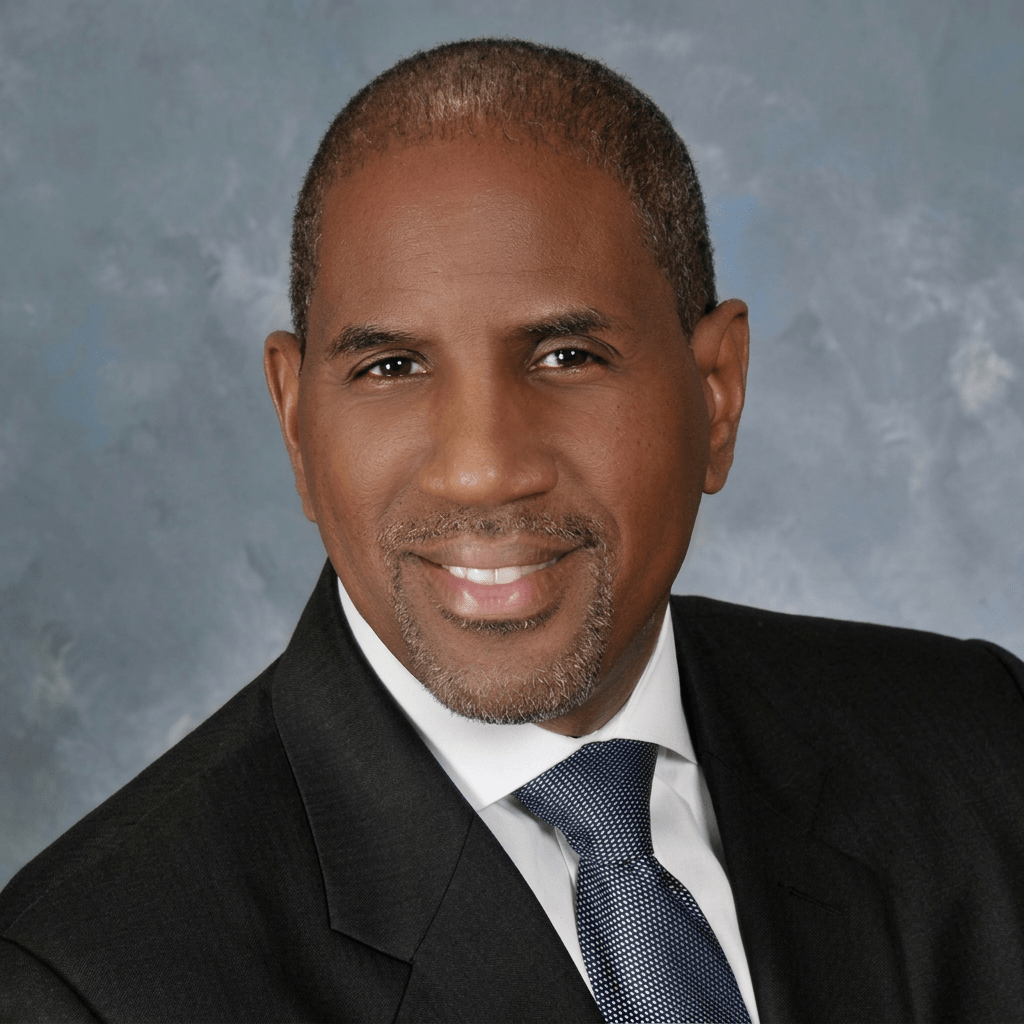
Photo: Dr. Steve Gallon, III, former School Board Member, District 1, Miami-Dade County Public Schools. (www.dadeschools.net)

The election to fill the vacant Miami-Dade County Public Schools District 1 School Board seat is about more than replacing an elected official. It is about preserving a standard of leadership that has served students, families, educators, and the broader community well for many years.

Former School Board Member Dr. Steve Gallon III resigned from the School Board after being elected, without opposition, to represent District 1 on the Miami-Dade County Commission. His departure leaves more than an empty seat, it leaves a high standard for public service.

Dr. Gallon distinguished himself through preparation, policy knowledge, and an unwavering commitment to public education. School Board meetings consistently reflected his command of educational issues, thoughtful questioning, and careful attention to how district decisions would affect students, teachers, administrators, and families. Whether the discussion centered on academic achievement, school safety, capital improvements, or budget priorities, he approached the work with diligence and a clear understanding of the responsibilities entrusted to him.

That level of preparation should not be viewed as exceptional; it should be the expectation.

Serving on the governing board of one of the nation’s largest public-school districts requires much more than attending meetings and casting votes. School board members oversee billions of dollars in public resources, establish district policy, hire and evaluate the superintendent, and make decisions that directly affect the educational opportunities available to hundreds of thousands of students. Those responsibilities demand a thorough understanding of education policy, fiscal stewardship, governance, and public accountability.

District 1 cannot afford a representative who intends to learn the job after taking office. The community deserves someone who arrives prepared to contribute immediately, asks informed questions, studies the issues, and works collaboratively with fellow board members while remaining an independent advocate for students, parents, educators, and taxpayers.

Replacing a leader with Dr. Gallon’s experience and institutional knowledge is no small task. His years of service established expectations for accessibility, preparation, and advocacy that should continue to define representation for District 1. His successor will inevitably be measured against those standards, and rightly so.

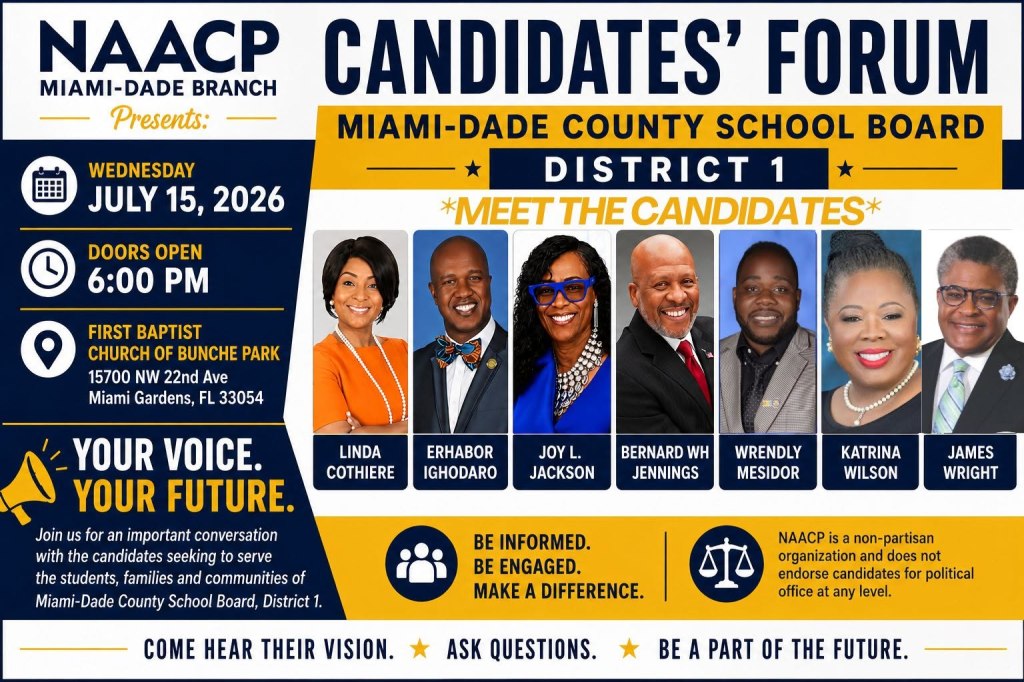
Fortunately, voters have a diverse and accomplished field of candidates from whom to choose. The candidates are Linda Cothiere, Erhabor Ighodaro, Dr. Joy L. Jackson, Bernard W.H. Jennings, Wrendly Mesidor, Katrina Wilson, and James Wright. Collectively, they bring experience in education, public service, municipal government, law enforcement, business, and community leadership. Their varied backgrounds provide District 1 voters with meaningful choices as they determine who is best prepared to serve on the School Board.

Professional titles alone neither qualify nor disqualify a candidate. Voters should look beyond campaign slogans, endorsements, and name recognition to evaluate who has demonstrated the preparation, understanding of public education, collaborative leadership, sound judgment, and commitment to public service necessary to oversee one of the nation’s most complex school systems.

District 1 deserves a School Board member who understands that every vote carries consequences for classrooms, teachers, parents, taxpayers, and, most importantly, students. Experience matters. Preparation matters. Accountability matters. Those qualities should outweigh political ambition, campaign rhetoric, or personal popularity.

Ultimately, the decision belongs to the voters of District 1. The nonpartisan primary election will be held on Tuesday, August 18, 2026. Under Florida law, a candidate must receive more than 50 percent of the vote to win outright. If no candidate reaches that threshold, the top two finishers will advance to the General Election on Tuesday, November 3, 2026.

With seven qualified candidates seeking the seat, a runoff is a realistic possibility, making participation in both elections especially important. The next School Board member will help shape educational policy, oversee significant public resources, and influence the future of Miami-Dade County Public Schools for years to come.

District 1 has an opportunity to choose a leader who is prepared to serve from the first day in office and committed to maintaining the high standard of leadership that Dr. Steve Gallon III established. Voters should seize that opportunity by electing a candidate whose record demonstrates the experience, knowledge, integrity, and dedication necessary to lead one of America’s largest public school districts.

An excellent opportunity for voters to hear directly from the candidates will be the NAACP Miami-Dade Branch’s School Board District 1 Candidates’ Forum. The forum will bring together the candidates seeking to represent District 1 on the Miami-Dade County School Board, providing residents with an opportunity to hear their positions on issues affecting public education, ask questions, and compare their qualifications firsthand. Community forums such as this play an important role in helping voters make informed decisions based on the candidates’ knowledge, priorities, and vision for the future of Miami-Dade County Public Schools.
Mental Health and Trauma: Beyond Physical Injury

Sharron L. Henley, MA, MIN, Journalist Conversations With Charito, LLC

When people hear the word trauma, they often imagine a visible injury; a car crash, an assault, or a natural disaster. These are the kinds of wounds that leave physical marks. However, trauma runs deeper than what can be seen on the surface. It affects not only the body but also the mind and the spirit, leaving invisible scars that can shape a person’s thoughts, emotions, and sense of meaning in life. Unfortunately, many people still misunderstand trauma as being only physical, which can lead to misinformed care and a lack of support for those suffering from emotional or spiritual wounds.

Psychological trauma can come from experiences such as emotional abuse, chronic stress, neglect, or betrayal. A person may not have been physically harmed, yet they can still carry deep emotional pain. Spiritual trauma can occur when a person’s sense of meaning or faith is shaken. Survivors of trauma sometimes feel that their higher power has abandoned them or that life has lost its purpose. Research indicates that when trauma leads to spiritual struggle, such as questioning beliefs or feeling punished, it often correlates with greater psychological distress and post-traumatic symptoms (U.S. Department of Veterans Affairs, 2025). In short, trauma is not only about what happens to the body; it is about what happens to the heart and soul.

One major obstacle to recovery is misinformed care. Many people, including well-intentioned friends, family members, or even some professionals, rely on myths rather than evidence-based practices when supporting trauma survivors. Common misconceptions; such as believing that trauma can be “healed” by simply moving on, by ignoring painful memories, or by forcing a person to relive every detail of their trauma, can actually worsen emotional suffering. These ideas may create shame, reinforce avoidance, or retraumatize individuals who are not ready to process their experiences fully. Studies have shown that misconceptions about trauma-focused therapy and the recovery process can undermine trust and reduce treatment effectiveness (Gray et al., 2023; Contreras, 2024). Genuine healing requires compassion, safety, and a gradual, supported approach rather than pressure or quick fixes (Eldridge, 2024).

The holiday season can make these emotional wounds more noticeable. While holidays are often portrayed as a time of joy, warmth, and togetherness, they can also become a source of anxiety and emotional pain. For many, the season brings back memories of loss, family conflict, or loneliness. The constant reminders of celebration can make those who are grieving or struggling feel even more isolated. According to a recent survey by the American Heart Association, 63% of U.S. adults reported that the holiday season is more stressful than tax season, citing difficulty prioritizing their health and well-being during the period (American Heart Association, 2023). Even simple things like crowds, bright lights, and loud music can trigger stress responses in people with a history of trauma. The expectation to be cheerful when one feels emotionally raw can deepen feelings of shame or inadequacy. On top of that, disrupted routines, less sleep, more obligations, and fewer moments of quiet, can weaken a person’s ability to cope. What is often described as “holiday blues” may actually be a resurfacing of deeper wounds that have not yet been fully healed.

Healing from trauma requires understanding it in its full complexity. It is important to recognize that trauma can harm every part of a person’s being: their body, mind, and spirit. Acknowledging spiritual and emotional pain is the first step toward meaningful recovery. When therapists and caregivers include discussions about faith, identity, and purpose in treatment, they help survivors rebuild not only emotional balance but also a sense of meaning (U.S. Department of Veterans Affairs, 2025).

There are several evidence-based therapies that have shown success in helping people process trauma. For example, Trauma-Focused Cognitive Behavioral Therapy (TF-CBT) has been tested in numerous randomized controlled trials, showing significant improvement in trauma symptoms among both children and adults (Cohen, Mannarino, & Deblinger, 2024; Larsen et al., 2025). Narrative Exposure Therapy allows survivors to place traumatic experiences within the larger context of their lives, reducing the emotional intensity of those memories. For those whose trauma involves spiritual struggle, approaches that integrate meaning-making and faith exploration, such as the Building Spiritual Strength program, have shown promise (Park, 2023). In addition, mindfulness, grounding exercises, and body-centered practices can help regulate the nervous system and restore a sense of safety after trauma.

During the holidays, it can help to take a proactive approach to self-care. Setting boundaries, saying no when necessary, and making space for rest can make a significant difference. It is perfectly acceptable to skip gatherings or traditions that cause emotional pain. Preparing for potential triggers, planning moments of quiet reflection, and reaching out to supportive friends, family, or a counselor can make the season more manageable. Healing does not mean forcing joy but rather creating an environment that allows peace and emotional safety.

If trauma symptoms persist, such as flashbacks, persistent sadness, detachment, or a loss of faith, it may be time to seek professional help. Therapists trained in trauma-informed care can provide guidance and evidence-based support tailored to the individual’s needs.

Ultimately, understanding trauma as more than physical harm allows for a more compassionate and effective response. The holidays, though often difficult for those with emotional wounds, can also become a time of renewal when approached with awareness and self-compassion. Healing is possible when we acknowledge the pain, seek help, and rebuild meaning, by taking each step, one day at a time, while celebrating each milestone of the healing process.


References

American Heart Association. (2023, December 18). New survey: 79% of survey respondents overlook their health needs during the holidays; find the holidays more stressful than tax season. https://newsroom.heart.org/news/new-survey-79-of-survey-respondents-overlook-their-health-needs-during-the-holidays-find-the-holidays-more-stressful-than-tax-season

Cohen, J. A., Mannarino, A. P., & Deblinger, E. (2024). Trauma-Focused Cognitive Behavioral Therapy (TF-CBT): At-A-Glance. National Center for Child Traumatic Stress. https://tfcbt.org/wp-content/uploads/2025/02/Trauma-Focused-Cognitive-Behavioral-Therapy-2024.pdf

Contreras, A. (2024, July 11). 5 myths about healing from trauma. Psychology Today.https://www.psychologytoday.com/us/blog/traumatization-and-its-aftermath/202407/5-myths-about-healing-from-trauma

Eldridge, M. (2024, June 27). Debunking myths about trauma and abuse: What survivors really need you to know.Pathway to Healing Wellness Library. https://www.pathwaytohealingcs.org/wellness-library/debunking-myths-about-trauma-and-abuse-what-survivors-really-need-you-to-know

Gray, R., Wong, L., et al. (2023). Ten misconceptions about trauma-focused CBT for PTSD. Behaviour Research and Therapy, 157, 104239. 

Larsen, K., et al. (2025). Efficacy of cognitive behavioural therapies with a trauma focus for posttraumatic stress disorder: An individual participant data meta-analysis. Journal of Consulting and Clinical Psychology, 93(6), 401–426. 

Park, C. L. (2023). Use of religious and spiritual responses after trauma to prevent posttraumatic stress symptoms and suicidality: The role of meaning in life. Journal of Affective Disorders, 333, 368–380. https://pubmed.ncbi.nlm.nih.gov/37670214/

U.S. Department of Veterans Affairs. (2025). Addressing religious or spiritual dimensions of trauma and PTSD. National Center for PTSD. https://www.ptsd.va.gov/professional/treat/txessentials/spirituality_trauma.asp