By Sharron L. Henley, MA, MIN, Journalist and Radio Personality
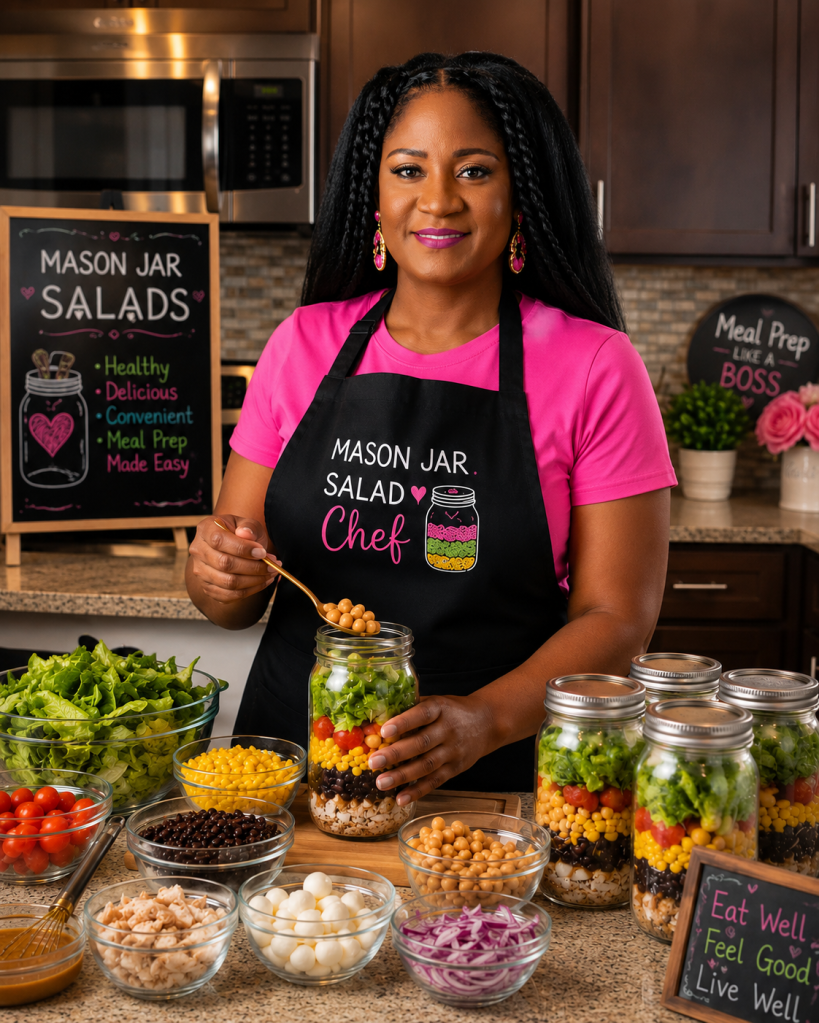
Food has always represented far more than nourishment in my family. With roots extending from Louisiana to the vibrant cultures of Colombia, Panama, and Costa Rica, every meal reflects a story of resilience, migration, and tradition. Louisiana cuisine developed through centuries of African, French, Spanish, and Native American influences, creating the distinctive Creole and Cajun culinary traditions known for bold flavors and resourceful cooking. Likewise, the cuisines of Colombia, Panama, and Costa Rica emphasize fresh fruits, vegetables, legumes, rice, corn, plantains, and locally grown herbs, shaped by Indigenous foodways and enriched by African and European culinary traditions. Across each of these cultures, food serves as a means of preserving cultural heritage, strengthening family relationships, and bringing generations together around the table.
These traditions cultivated my appreciation for wholesome, flavorful meals. However, it was during a period of religious fasting that I began searching for practical ways to maintain a nutritious eating pattern. While looking online for a seven-day meal preparation plan, I repeatedly encountered mason jar salads. Their colorful appearance initially captured my attention, but their convenience, freshness, and nutritional balance ultimately convinced me to incorporate them into my routine.
What began as a temporary strategy to support my fasting, quickly evolved into a sustainable lifestyle change. Preparing mason jar salads in advance eliminated the temptation to rely on processed convenience foods while making balanced meals readily available throughout the week. Rather than simply serving as a meal preparation technique, mason jar salads transformed my perspective on nutrition by demonstrating that healthy eating can be simple, affordable, and satisfying.
Although mason jar salads are now widely associated with contemporary meal-preparation culture, the mason jar itself has a much longer history. John Landis Mason patented the Mason jar in 1858 as a durable container designed for preserving food through home canning. More than a century later, the concept of layering salads inside glass jars gained popularity through food bloggers, cookbook authors, and the growing meal-preparation movement. Mirabella’s (2014) cookbook Mason Jar Salads and More helped introduce this practical method to a broader audience, transforming an ordinary household item into a symbol of healthy convenience.
Mason jar salads are prepared by layering ingredients inside glass jars, beginning with the dressing at the bottom and ending with leafy greens at the top. This layering technique is more than aesthetically pleasing; it serves an important food preservation function. By preventing the dressing from contacting delicate greens until the salad is consumed, vegetables remain crisp and fresh for several days under proper refrigeration. Meal preparation strategies such as this can promote healthier eating habits by increasing the availability of nutritious meals and reducing reliance on less nutritious convenience foods (Academy of Nutrition and Dietetics, 2024).
Proper food safety practices are equally important when preparing mason jar salads. Before vegetables are assembled, they should be thoroughly washed under running water to remove dirt, bacteria, and pesticide residues that may remain from harvesting, transportation, and handling. Produce should also be completely dried before layering because excess moisture accelerates spoilage and reduces freshness during storage. According to the Centers for Disease Control and Prevention (CDC, 2024), washing produce and practicing safe food handling are essential steps in reducing the risk of foodborne illness. Proper refrigeration and careful food preparation also help preserve the quality, texture, and nutritional value of fresh ingredients throughout the week.
Nutrition experts recommend assembling mason jar salads in a specific order to maximize freshness. Salad dressing should be placed at the bottom of the jar, followed by dense vegetables such as carrots, cucumbers, bell peppers, beans, or whole grains. Protein sources, including tuna, boiled eggs, tofu, or chickpeas, should be layered next, while delicate leafy greens are placed on top. This arrangement minimizes moisture exposure and helps preserve texture until serving. When ready to eat, the salad can be shaken to distribute the dressing evenly or emptied into a bowl.
Beyond convenience, mason jar salads encouraged me to become more intentional about healthy eating. Preparing meals in advance removed the daily uncertainty of deciding what to eat and made nutritious choices the easiest choices. Every time I opened the refrigerator, I found ready-to-eat meals filled with colorful vegetables, lean proteins, wholesome grains, and homemade dressings. Even after my fasting period ended, this weekly routine remained an integral part of my lifestyle.
Meal preparation also became an unexpected opportunity to strengthen relationships with those around me. In many families, including my own, preparing food has long served as an expression of love and community. Mason jar salads provide an engaging activity that encourages family participation. Children can wash vegetables, assemble colorful layers, and personalize their meals while learning about nutrition, portion control, and healthy food choices. Parents can reinforce lifelong healthy habits through shared experiences rather than instruction alone.
Similarly, couples can transform meal preparation into meaningful quality time. Rather than dining out, they can begin with a grocery shopping trip, selecting fresh produce, lean proteins, herbs, and ingredients for homemade dressings. Preparing meals together encourages collaboration, creativity, and conversation while supporting shared health goals. The benefits continue throughout the week as pre-prepared lunches reduce stress, save time, and minimize food waste.
Healthy living does not always require expensive ingredients, elaborate recipes, or dramatic lifestyle changes. Instead, lasting health often develops through small, consistent decisions repeated over time. For me, preparing mason jar salads each week became one of those decisions.
What began as a strategy to remain disciplined during a period of fasting has become a lasting investment in my health. Preparing nutritious meals in advance has saved time, reduced food waste, encouraged healthier eating habits, and strengthened my appreciation for the cultural traditions that first taught me the value of sharing food with others. Whether prepared individually, with family members, or as part of a simple date night at home, mason jar salads demonstrate that wellness can be affordable, culturally meaningful, and rooted in intentional daily choices.
References
Academy of Nutrition and Dietetics. (2024). Meal planning can help you eat healthier.
Centers for Disease Control and Prevention. (2024). Food safety: Safe handling of fruits and vegetables.
Mirabella, J. (2014). Mason jar salads and more: 50 layered lunches to grab and go. Ulysses Press.
U.S. Department of Agriculture. (2024). FoodKeeper app and food safety.
U.S. Department of Agriculture & U.S. Department of Health and Human Services. (2020). Dietary Guidelines for Americans, 2020–2025 (9th ed.).

