A Deep Look at Reinvention, Backlash, and the Human Need for Renewal
By Sharron L. Henley, MA, MIN, Journalist and Radio Personality
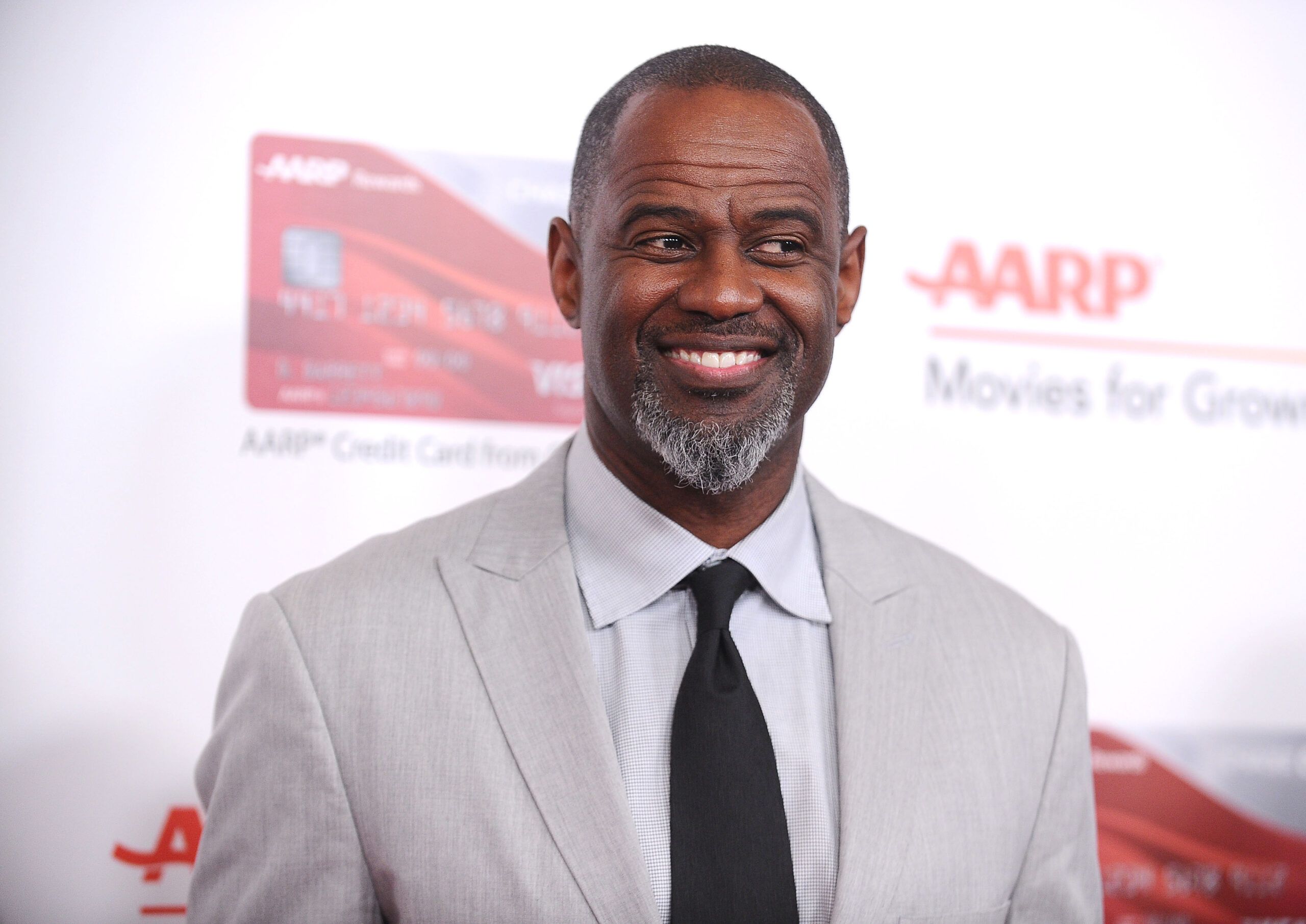
Los Angeles, USA. 06th Feb, 2017. Brian McKnight arriving at the 16th Annual AARP The Magazine’s Movies For Grownups Awards at the Beverly Wilshire Four Seasons Hotel on February 6, 2017 in Beverly Hills,
Brian McKnight, renowned R&B artist, has faced public scrutiny in recent years due to strained family relationships and his attempts to start a new life. This article examines the timeline of McKnight’s public controversies, the broader conversation on reinvention and mental health, and the challenges of rebuilding family and personal identity after past trauma.
For decades, Brian McKnight was celebrated as one of R&B’s smoothest and most enduring voices. Yet today, he navigates a different spotlight, one shaped by controversy and scrutiny over his family relationships (Atlanta Black Star, 2025; Essence, 2025).
Once celebrated across generations for his silky voice and timeless R&B hits like “Back at One,” Brian McKnight now finds himself at the center of a very different kind of spotlight; one casting a harsh glare on his personal life. Over the past months, the veteran singer has weathered widespread backlash over comments about his past relationships and children, forcing many fans to question whether McKnight’s decision to “start over” has come at the cost of his legacy and personal integrity.
From Beloved R&B Icon to Public Controversy
Known for decades as a smooth-voiced romantic crooner, McKnight once seemed destined for long-lasting reverence in R&B history. Yet that legacy has recently been overshadowed by a series of revelations and public statements about his family life that have surprised and angered many longtime supporters.
In a widely publicized interview, McKnight recounted his narrative of meeting his first wife, Julie McKnight, while in college. He admitted that, although they married and had children, “he was never in love with their mother,” framing their relationship more as an obligation than one rooted in affection. (Atlanta Black Star)
Those comments reopened deep wounds , especially given the fraught relationships with his children from past relationships. For years, McKnight’s relationship with his eldest children: Brian McKnight Jr.; Niko McKnight; Briana McKnight; and Clyde McKnight has been strained. (Essence)
In April 2024, McKnight further stirred controversy by referring to his eldest children as “products of sin,” calling them “evil” and declaring that, to live a life he loves, he needed to “get rid of the evil and negativity, even if that evil and negativity is related to you.” (Atlanta Black Star)
That abrupt rejection of his own children, especially during a time when one of them, Niko, was battling cancer, stunned many fans and tarnished McKnight’s public image. (Yahoo)
The Fallout: Boycotts, Canceled Shows, and a Fractured Legacy
The backlash was swift and far-reaching. Tours and scheduled concerts began to collapse under the weight of public outrage. According to reports, one of his Detroit shows was canceled after fans organized a boycott in protest of his remarks about his children. (Music Times)
Further signifying the damage to his professional standing, Claflin University canceled a planned appearance by McKnight for a scholarship fundraiser, a clear indication that institutions are also reconsidering their association with him. (Yahoo)
Perhaps most painful publicly was his reaction after the death of his son Niko in May 2025. Following the loss, McKnight publicly criticized other family members over how the death was shared on social media, calling the memorial posts “tasteless and self-aggrandizing” and accusing them of “turning tragedy into drama.” (Yahoo)
The response from fans was largely one of disgust and disappointment. Many questioned how a father could treat his own children, especially a dying son, with such apparent coldness. (Atlanta Black Star)
Trying to “Start Over”: But at What Cost?
McKnight’s shift toward a new chapter in his personal life, including a marriage to his second wife, Leilani Mendoza, and seemingly a desire to redefine his identity, has been interpreted by some as a fresh start. (BET)
But many fans and former supporters argue that this reinvention came at a heavy cost: the perceived abandonment of his past, namely, his own children. For many, McKnight’s narrative of “starting over” looks less like redemption and more like repudiation.
Reflection: When Reinvention Overshadows Responsibility
The story of Brian McKnight today is less about hits on the charts and more about the conflict between rebirth and responsibility. His choice to publicly disavow family in favor of a new life may signal a desire to move on, but it also raises complex ethical questions about loyalty, fatherhood, and the silent victims of “starting over.”
For many, McKnight’s legacy will now be judged not just by his music, but by how he treated the people closest to him and by whether fame and reinvention are worth the heartbreak left behind.
As McKnight builds a new life with his current wife and youngest child, public opinion is divided. Some view his reinvention as an effort to find peace and personal growth; others see it as abandonment of his older children. This situation sparks a broader, universal question: Is it possible to start over after painful relationships fracture beyond repair, and what does healthy reinvention look like?
Timeline of Reinvention and Public Backlash
2022–2023: Family Fractures Surface
Tensions with McKnight’s older children; Brian Jr., Niko, Briana, and Clyde, resurface publicly, and fans notice he highlights only his youngest child and stepchildren, prompting early criticism (AOL, 2025).
2023: New Identity
McKnight legally changes his name to align with his newborn son with Leilani Mendoza, interpreted by many as symbolic distancing from older children (BET, 2025).
2024: Public Comments About Children
McKnight refers to his older children as “products of sin” and “evil,” claiming he severed ties for peace and happiness. Social media backlash is swift (Atlanta Black Star, 2024).
Mid-2024: Boycotts and Cancellations
Several fan-led boycotts result in canceled concerts, and institutions remove McKnight from scheduled events (Music Times, 2024).
Late 2024: Legal Disputes and Media Coverage
McKnight publicly claims he was “never in love” with his first wife, Julie, further straining relations with his older children (Soap Central, 2025).
2025: Loss of Son Niko
McKnight’s son Niko passes away after battling cancer. McKnight publicly criticizes family memorial posts, sparking outrage (Yahoo!, 2025).
2025–Present: Rebuilding and Public Debate
McKnight emphasizes “starting over” and creating a new family identity. Public opinion remains divided regarding whether his actions represent healthy reinvention or abandonment (Atlanta Black Star, 2025).
“The story of starting over is never clean , but it is always human.”
The Complexity of Starting Over: Renewal is Possible and Often Necessary
People often reach points in life where old relationships and trauma become too heavy. Starting over can create space for healing, self-discovery, emotional stability, and growth (BET, 2025).
Letting Go Does Not Always Mean Lack of Love
Distance from past relationships can protect mental health and provide necessary boundaries. It does not inherently equate to hatred or rejection.
Mental Health Matters
Long-term exposure to unresolved family conflict can erode mental well-being. Choosing to rebuild one’s life can be an act of self-care (Atlanta Black Star, 2025).
People Handle Conflict Differently
Conflict management varies based on personality, upbringing, trauma history, and emotional bandwidth. Not all relationships can or should be repaired; some require boundaries and distance.
Accountability is Critical
Healthy reinvention requires reflection, empathy, and responsibility. Renewal without accountability risks avoidance; renewal with honesty allows for meaningful growth.
Conclusion: The Unfinished Story of Reinvention
Brian McKnight’s journey illustrates the complexity of personal reinvention after conflict and trauma. His decision to start over, whether viewed as courageous or controversial, highlights a universal human truth: people evolve, relationships change, and healing manifests differently for each individual (Essence, 2025).
Reinvention is both a risk and a responsibility. It requires honoring the past while creating a future aligned with personal growth, mental health, and peace. McKnight’s story remains unfolding, but it serves as a reminder that starting over is not only possible, it is often necessary, when approached with compassion, self-reflection, and accountability.
Expert-Style Insights on Starting Over
- Healing Requires Distance: Recovery may begin by stepping away from harmful dynamics.
- Starting Over Doesn’t Erase the Past: Growth involves honoring past experiences, not rewriting history.
- Conflict Styles Are Learned: Coping and responses to conflict are shaped by upbringing, trauma, and personality.
- Reinvention Works Best with Accountability: Reflection, empathy, and responsibility are key to sustainable change.
References
Atlanta Black Star. (2024, September 3). Brian McKnight abandoning his Black children? Rickey Smiley canceled shows.Retrieved from https://atlantablackstar.com/2024/09/03/brian-mcknight-abandoning-his-black-children-rickey-smiley-canceled-shows/
Atlanta Black Star. (2025, November 21). Why did Brian McKnight slam his first wife Julie in new interview? Retrieved from https://atlantablackstar.com/2025/11/21/brian-mcknight-slams-his-first-wife-julie-in-new-interview/
AOL Entertainment. (2025). Brian McKnight Jr. responds to father’s comments. Retrieved from https://www.aol.com/entertainment/ve-tried-man-brian-mcknight-004046105.html
BET. (2025). Brian McKnight’s ex-wife responds after he calls their children products of sin. Retrieved from https://www.bet.com/article/xfdphf/brian-mcknights-ex-wife-responds-after-he-calls-their-children-products-of-sin
Essence. (2025). Brian McKnight’s children and family controversy. Retrieved from https://www.essence.com/lifestyle/brian-mcknight-kids/
Music Times. (2024, May 4). Brian McKnight gig canceled after claiming biological children are evil. Retrieved from https://www.musictimes.com/articles/103074/20240504/brian-mcknight-gig-cancelled-claimed-biological-children-evil-ex-wife.htm
Soap Central. (2025). Why did Brian McKnight sue his ex-wife? Retrieved from https://www.soapcentral.com/entertainment/why-brian-mcknight-sue-ex-wife-r-b-singer-says-never-love-julie-mcknight
Yahoo! Entertainment. (2025). Fans outraged after Brian McKnight posts petty response to ex-wife. Retrieved from https://www.yahoo.com/entertainment/articles/brian-mcknight-slams-family-members-123302659.html

 CWC News