A Reassessment of the Recall Effort Targeting Mayor Daniella Levine Cava

By Sharron L. Henley, MA, MIN, Journalist and Radio Personality

Mayor Daniella Levine Cava delivering the State of the County address. Miami-Dade County, 2021.

A recent report by NBC 6 South Florida (2025a) described the recall campaign against Miami-Dade County Mayor Daniella Levine Cava as stemming from broad public dissatisfaction. This framing, however, oversimplifies the motivations behind the recall effort and fails to account for the substantive accomplishments of her administration. A more comprehensive evaluation reveals significant progress across economic development, housing, environmental sustainability, transit, and government modernization areas that directly affect the quality of life for county residents.

Economic Initiatives and Tax Relief

Levine Cava’s administration has prioritized small-business growth and post-pandemic economic recovery. The STRIVE305 program, for example, now supports approximately 15,000 small businesses across the county (The Floridian, 2025a). Additionally, the county expanded non-tax revenue sources, including naming-rights partnerships, to strengthen fiscal stability during challenging economic periods (The Floridian, 2025a).

The mayor also oversaw two consecutive property-tax reductions, resulting in the lowest combined county tax rate since 1982 (Miami-Dade County, 2025). These measures provided direct financial relief for homeowners and contributed to broader economic stability.

Affordable Housing and Tenant Support

Affordable housing has been among the administration’s central priorities. Since taking office, Levine Cava has doubled the county’s affordable-housing investment, funding more than 5,000 new units, with roughly 8,000 additional units in development (The Floridian, 2024). Her administration also established the Office of Housing Advocacy, which offers mediation, landlord–tenant support, eviction-prevention services, and financial guidance for residents struggling with housing costs (The Floridian, 2024). These strategies reflect a holistic approach that addresses both housing supply and resident stability.

Transit and Mobility Improvements

Levine Cava has promoted mobility improvements through the county’s SMART transit program aimed at increasing connectivity and reducing reliance on automobiles (Miami-Dade County, 2025). The launch of Metro Express, a Bus Rapid Transit (BRT) service along the South Dade corridor, represents a major milestone in expanding equitable and efficient public transportation (Axios, 2025).

Environmental Sustainability and Climate Resilience

The administration has implemented an extensive portfolio of sustainability initiatives from installing solar energy and air-conditioning improvements in public housing to electrifying the county vehicle fleet and increasing energy efficiency in public facilities (The Floridian, 2025b). Significant progress has also been made in environmental protection, including septic-to-sewer conversions aimed at improving water quality in Biscayne Bay (The Floridian, 2025b).

To promote long-term resilience and innovation, Levine Cava established the Miami-Dade Innovation Authority (MDIA), which funds companies developing solutions for regional challenges such as sargassum accumulation, infrastructure strain, and traffic management (The Floridian, 2025a).

Government Modernization and Public Accountability

The administration adopted a “No Wrong Door” policy, emphasizing accessible and user-friendly services for residents (Miami-Dade County, 2025). Under Levine Cava’s leadership, county departments earned 151 national awards recognizing excellence in service delivery, fiscal efficiency, and administrative performance (Hoodline, 2025). These achievements indicate ongoing improvements in transparency, responsiveness, and government effectiveness.

Limitations of the Recall Narrative

Although the recall campaign, as reported by NBC 6 South Florida (2025a), highlights constituent concerns, including issues related to local infrastructure, flooding, and public services, these criticisms represent only one dimension of a complex administrative landscape. While no local government can fully avoid operational challenges, the recall campaign risks reducing the mayor’s comprehensive record to isolated frustrations. For many residents, long-term gains in housing, economic stability, environmental protection, and transportation may outweigh the administrative shortcomings emphasized by recall advocates.

An oversimplified recall narrative may also threaten continuity in policy areas that require long-term planning and multi-year implementation. Abrupt leadership changes can undermine progress on housing development, transit expansion, and climate resilience initiatives that depend on stability and multi-agency coordination.


Toward a Balanced Public Evaluation

A more constructive public discussion should situate both achievements and shortcomings within a broader context. Residents would benefit from:

  1. Objective evaluation of outcomes by weighing both tangible successes and legitimate public concerns.
  2. Transparent accountability in areas where county services require improvement.
  3. Inclusive community engagement that supports informed decision-making rather than reactive political mobilization.

Mayor Daniella Levine Cava has guided Miami-Dade County through a period marked by economic recovery, housing pressures, environmental threats, and demographic change. Her administration has delivered measurable improvements in economic support services, housing investment, sustainability planning, and government effectiveness.

Although public dissatisfaction captured in recall reporting is valid in some respects, it presents an incomplete picture of her leadership. A more balanced assessment suggests that the county may benefit not from abrupt political turnover but from continued accountability paired with policy continuity.


References

  • Axios. (2025). Miami-Dade’s express bus service launches Oct. 27.
  • Hoodline. (2025). Miami-Dade County shines with 151 achievement awards from National Association of Counties.
  • Miami-Dade County. (2025). Promises kept, progress made.
  • NBC 6 South Florida. (2025a). Effort underway to hold recall election to remove Miami-Dade mayor from office.
  • NBC 6 South Florida. (2025b). Miami-Dade mayor responds to recall effort saying she’s served “very well”.
  • The Floridian. (2024). Miami-Dade County Mayor Daniella Levine Cava details her work on improving affordable housing.
  • The Floridian. (2025a). Cava highlights economic accomplishments in first term as mayor.
  • The Floridian. (2025b). Miami-Dade County Mayor Daniella Levine Cava addresses climate efforts, sustainability after first term.

Questions or Comments: shenley@cwcnews.org

Tune in every Sunday 12N ET Conversations With Charito on Excitement Radio http://www.excitementradio.com
A New Chapter for Homestead: Chief Mario Knapp Leads with Vision, Community, and Data-Driven Policing

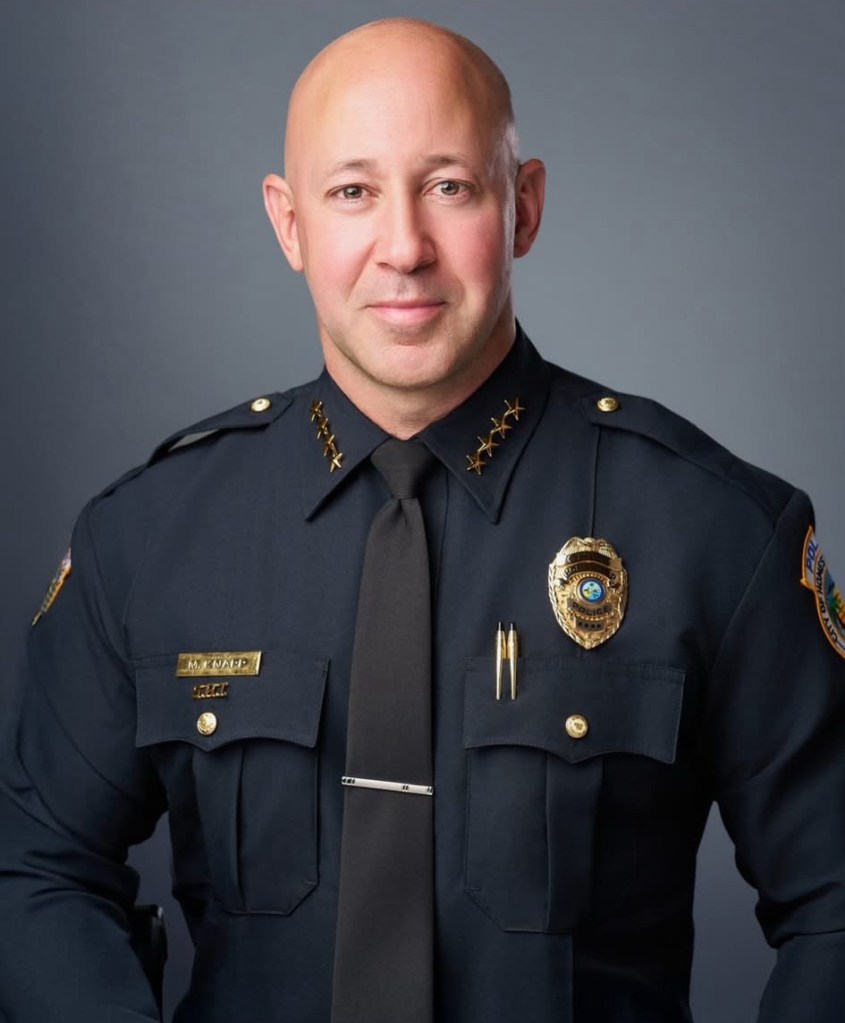
Photo: Mario Knapp, Chief
City of Homestead Police Department
(FB: Mario Knapp)

When Mario Knapp was sworn in as Chief of City of Homestead Police Department (HPD) on January 3, 2025, the ceremony represented more than a leadership transition. It marked a pivotal moment for a city experiencing rapid growth, new economic development, and evolving public-safety challenges. With nearly three decades of experience in the Miami-Dade Police Department, Chief Knapp brings not only command-level expertise but also a philosophy built on trust, analytics, and a deep commitment to community partnerships.


A Leader Forged Through Experience

Chief Knapp’s law-enforcement journey began in 1994 with the Miami-Dade Police Department, where he served in numerous high-impact roles. His command experience spans critical units such as SWAT, Bomb Squad, Marine Patrol, K-9, Motors, Seaport Operations, and the Crime Suppression Unit. He is widely respected for his expertise in use-of-force training and for helping develop active-shooter protocols used nationally.

Knapp’s leadership was especially visible during the Surfside condo collapse, where he served as the Command Post Incident Commander, an experience that demonstrated his ability to lead with calm precision in moments of crisis.

Now, as Homestead’s Chief of Police, he brings this depth of knowledge to a department poised for transformational growth.


Strengthening the Homestead Police Department

HPD is a mid-sized, full-service police agency operating out of 45 NW 1st Avenue and staffed by approximately 130 sworn officers and more than 80 civilian personnel. Under Chief Knapp, the department is steadily growing and modernizing to meet the needs of a city on the rise.

Key HPD Units and Special Teams

  • SWAT / Hostage Negotiations
  • K-9 Unit
  • Traffic & Motors Unit
  • Special Investigations Unit (SIU)
  • Community Action Team (CAT)
  • Crime Scene Investigations (CSI)
  • Community Policing Unit (CPU)

Chief Knapp has made it clear: as Homestead grows, HPD must grow “proportionally and strategically,” with a focus on both capability and community presence.


Community Policing at the Center

One of Knapp’s first priorities has been strengthening the department’s community-policing framework. Rather than relying solely on enforcement, he views public safety as a long-term collaboration with residents, civic leaders, local businesses, and youth organizations.

HPD’s Community Programs Include:

  • Group Violence Intervention (GVI)
  • Police Athletic League (PAL)
  • Police Explorers (youth leadership program)
  • Start Off Smart (SOS) social-service partnership
  • Citizen’s Police Academy (CPA)

From neighborhood walks to school presentations and community meetings, HPD’s presence has become more visible—an intentional move by Knapp to reinforce trust, transparency, and accessibility.


Data-Driven Policing: Smart, Targeted, Effective

Beyond community outreach, Chief Knapp is modernizing HPD through analytics and strategic deployment. His philosophy is simple: diagnose before you prescribe.

Using crime statistics, geographic trends, and call-for-service data, HPD is enhancing how officers are positioned across the city. The goal is to reduce response times, prevent incidents before they escalate, and use limited resources efficiently.

This shift comes at a critical time, as Homestead continues to experience some of the highest crime rates in Florida.


Crime in Homestead: The Numbers Behind the Challenge

A clear-eyed view of Homestead’s public-safety environment shows a city with serious but addressable challenges.

Recent Crime Statistics

  • Over 4,343 violent crimes and 5,833 property crimes occurred in Homestead from 2019–2023.
  • The violent-crime rate averaged 2,048.8 per 100,000 residents, well above state and national averages.
  • In 2022, Homestead recorded:
    • 513 aggravated assaults
    • 205 robberies
    • 30 rapes
    • 5 murders
  • In 2023, the city logged 1,836 property crimes, including burglary, larceny, and motor-vehicle theft.

While these figures underscore the obstacles ahead, Chief Knapp’s initiatives target both the root causes and the patterns behind these trends.


From Enforcement to Engagement: Building Public Trust

Knapp understands that improving safety is not just about lowering statistics, it’s about how residents feel. To strengthen community trust, HPD has taken meaningful steps:

  • Expanding accessibility through public meetings and neighborhood patrols
  • Increasing body-camera transparency and timely public-records responses
  • Enhancing officer training, particularly in de-escalation and crisis intervention
  • Building youth mentorship pathways through PAL and Explorers
  • Collaborating with social-service networks to support victims and at-risk families

Early feedback from residents and community leaders reflects growing confidence in HPD’s direction.


Challenges Ahead and a Vision for the Future

Homestead’s rapid development of new housing, commercial expansion, and population growth presents a dual challenge: rising service demands and a more complex safety landscape.

Chief Knapp has outlined several long-term priorities:

  • Expanding sworn staffing to meet national policing benchmarks
  • Improving dispatch and communications infrastructure
  • Streamlining investigative processes for faster case resolutions
  • Strengthening partnerships with schools, faith-based groups, and nonprofits
  • Securing accreditation, which ensures national best practices in transparency and professionalism

His leadership style, collaborative, analytical, and forward-leaning, may be exactly what Homestead needs as it navigates its next chapter.


The Path Forward

Chief Mario Knapp faces a difficult but crucial mission: to reduce crime, strengthen community bonds, and build a modern, trusted police department. Yet early signs point to a positive trajectory. His blend of experience, innovation, and community commitment positions HPD to deliver meaningful, lasting change.

In a city defined by diversity, growth, and resilience, Knapp’s leadership is helping write a new story for Homestead; one where safety, partnership, and progress move hand in hand.


Resources

Homestead Police Department
45 NW 1st Ave, Homestead, FL 33030

  • Meet HPD: homesteadfl.gov/538/Meet-HPD
  • Citizen’s Police Academy: homesteadfl.gov/725/Citizens-Police-Academy-CPA
  • Public Records & Reports: homesteadfl.gov/210/Reports-Public-Records

Crime Data

  • CrimeExplorer (FBI data)
  • FBI UCR Statistics
  • City of Homestead Annual Audit Reports

Mental Health and Trauma: Beyond Physical Injury

Sharron L. Henley, MA, MIN, Journalist Conversations With Charito, LLC

When people hear the word trauma, they often imagine a visible injury; a car crash, an assault, or a natural disaster. These are the kinds of wounds that leave physical marks. However, trauma runs deeper than what can be seen on the surface. It affects not only the body but also the mind and the spirit, leaving invisible scars that can shape a person’s thoughts, emotions, and sense of meaning in life. Unfortunately, many people still misunderstand trauma as being only physical, which can lead to misinformed care and a lack of support for those suffering from emotional or spiritual wounds.

Psychological trauma can come from experiences such as emotional abuse, chronic stress, neglect, or betrayal. A person may not have been physically harmed, yet they can still carry deep emotional pain. Spiritual trauma can occur when a person’s sense of meaning or faith is shaken. Survivors of trauma sometimes feel that their higher power has abandoned them or that life has lost its purpose. Research indicates that when trauma leads to spiritual struggle, such as questioning beliefs or feeling punished, it often correlates with greater psychological distress and post-traumatic symptoms (U.S. Department of Veterans Affairs, 2025). In short, trauma is not only about what happens to the body; it is about what happens to the heart and soul.

One major obstacle to recovery is misinformed care. Many people, including well-intentioned friends, family members, or even some professionals, rely on myths rather than evidence-based practices when supporting trauma survivors. Common misconceptions; such as believing that trauma can be “healed” by simply moving on, by ignoring painful memories, or by forcing a person to relive every detail of their trauma, can actually worsen emotional suffering. These ideas may create shame, reinforce avoidance, or retraumatize individuals who are not ready to process their experiences fully. Studies have shown that misconceptions about trauma-focused therapy and the recovery process can undermine trust and reduce treatment effectiveness (Gray et al., 2023; Contreras, 2024). Genuine healing requires compassion, safety, and a gradual, supported approach rather than pressure or quick fixes (Eldridge, 2024).

The holiday season can make these emotional wounds more noticeable. While holidays are often portrayed as a time of joy, warmth, and togetherness, they can also become a source of anxiety and emotional pain. For many, the season brings back memories of loss, family conflict, or loneliness. The constant reminders of celebration can make those who are grieving or struggling feel even more isolated. According to a recent survey by the American Heart Association, 63% of U.S. adults reported that the holiday season is more stressful than tax season, citing difficulty prioritizing their health and well-being during the period (American Heart Association, 2023). Even simple things like crowds, bright lights, and loud music can trigger stress responses in people with a history of trauma. The expectation to be cheerful when one feels emotionally raw can deepen feelings of shame or inadequacy. On top of that, disrupted routines, less sleep, more obligations, and fewer moments of quiet, can weaken a person’s ability to cope. What is often described as “holiday blues” may actually be a resurfacing of deeper wounds that have not yet been fully healed.

Healing from trauma requires understanding it in its full complexity. It is important to recognize that trauma can harm every part of a person’s being: their body, mind, and spirit. Acknowledging spiritual and emotional pain is the first step toward meaningful recovery. When therapists and caregivers include discussions about faith, identity, and purpose in treatment, they help survivors rebuild not only emotional balance but also a sense of meaning (U.S. Department of Veterans Affairs, 2025).

There are several evidence-based therapies that have shown success in helping people process trauma. For example, Trauma-Focused Cognitive Behavioral Therapy (TF-CBT) has been tested in numerous randomized controlled trials, showing significant improvement in trauma symptoms among both children and adults (Cohen, Mannarino, & Deblinger, 2024; Larsen et al., 2025). Narrative Exposure Therapy allows survivors to place traumatic experiences within the larger context of their lives, reducing the emotional intensity of those memories. For those whose trauma involves spiritual struggle, approaches that integrate meaning-making and faith exploration, such as the Building Spiritual Strength program, have shown promise (Park, 2023). In addition, mindfulness, grounding exercises, and body-centered practices can help regulate the nervous system and restore a sense of safety after trauma.

During the holidays, it can help to take a proactive approach to self-care. Setting boundaries, saying no when necessary, and making space for rest can make a significant difference. It is perfectly acceptable to skip gatherings or traditions that cause emotional pain. Preparing for potential triggers, planning moments of quiet reflection, and reaching out to supportive friends, family, or a counselor can make the season more manageable. Healing does not mean forcing joy but rather creating an environment that allows peace and emotional safety.

If trauma symptoms persist, such as flashbacks, persistent sadness, detachment, or a loss of faith, it may be time to seek professional help. Therapists trained in trauma-informed care can provide guidance and evidence-based support tailored to the individual’s needs.

Ultimately, understanding trauma as more than physical harm allows for a more compassionate and effective response. The holidays, though often difficult for those with emotional wounds, can also become a time of renewal when approached with awareness and self-compassion. Healing is possible when we acknowledge the pain, seek help, and rebuild meaning, by taking each step, one day at a time, while celebrating each milestone of the healing process.


References

American Heart Association. (2023, December 18). New survey: 79% of survey respondents overlook their health needs during the holidays; find the holidays more stressful than tax season. https://newsroom.heart.org/news/new-survey-79-of-survey-respondents-overlook-their-health-needs-during-the-holidays-find-the-holidays-more-stressful-than-tax-season

Cohen, J. A., Mannarino, A. P., & Deblinger, E. (2024). Trauma-Focused Cognitive Behavioral Therapy (TF-CBT): At-A-Glance. National Center for Child Traumatic Stress. https://tfcbt.org/wp-content/uploads/2025/02/Trauma-Focused-Cognitive-Behavioral-Therapy-2024.pdf

Contreras, A. (2024, July 11). 5 myths about healing from trauma. Psychology Today.https://www.psychologytoday.com/us/blog/traumatization-and-its-aftermath/202407/5-myths-about-healing-from-trauma

Eldridge, M. (2024, June 27). Debunking myths about trauma and abuse: What survivors really need you to know.Pathway to Healing Wellness Library. https://www.pathwaytohealingcs.org/wellness-library/debunking-myths-about-trauma-and-abuse-what-survivors-really-need-you-to-know

Gray, R., Wong, L., et al. (2023). Ten misconceptions about trauma-focused CBT for PTSD. Behaviour Research and Therapy, 157, 104239. 

Larsen, K., et al. (2025). Efficacy of cognitive behavioural therapies with a trauma focus for posttraumatic stress disorder: An individual participant data meta-analysis. Journal of Consulting and Clinical Psychology, 93(6), 401–426. 

Park, C. L. (2023). Use of religious and spiritual responses after trauma to prevent posttraumatic stress symptoms and suicidality: The role of meaning in life. Journal of Affective Disorders, 333, 368–380. https://pubmed.ncbi.nlm.nih.gov/37670214/

U.S. Department of Veterans Affairs. (2025). Addressing religious or spiritual dimensions of trauma and PTSD. National Center for PTSD. https://www.ptsd.va.gov/professional/treat/txessentials/spirituality_trauma.asp

Memorial Day: In Loving Memory of Those Who Have Fallen

As a proud member of the National Council of Negro Women Metropolitan Dade County Section (NCNW-MDCS), I join our nation today in solemn remembrance and heartfelt gratitude. Memorial Day is more than a pause in our busy lives; it is a sacred moment to honor the brave men and women who laid down their lives in service to this country. Their courage, their sacrifice, and their legacy deserve not just our respect, but our ongoing commitment to the values they fought to uphold: freedom, justice, and equality for all.

Photo: Sharron L. Henley serving as Mistress of Ceremonies during Umbrella Luncheon May 4, 2025. (Miami, Florida)

For African Americans, Memorial Day carries a special resonance. Our history is deeply entwined with the story of this day. It is widely recognized that one of the earliest Memorial Day commemorations was organized in 1865 by formerly enslaved people in Charleston, South Carolina, who gathered to honor Union soldiers who fought and died for their liberation. This act of remembrance, born from a community long denied dignity, helped shape a national tradition that endures to this day.

Photo: 54th Massachusetts Regiment “Storming Fort Wagner,” Kurz and Allison, Library of Congress

We remember the 54th Massachusetts Regiment, Tuskegee Airmen, the 6888th Central Postal Directory Battalion, and countless others; Black men and women who served with valor, often in the face of segregation and discrimination.

Their service reminds us that patriotism is not defined by uniform treatment, but by unwavering dedication to the ideals of this nation, even when those ideals are not yet fully realized.

Today, as a member of NCNW-MDCS, I reflect on how our mission to lead, advocate, and empower Black women and their families intersects with the spirit of Memorial Day. We continue the work our ancestors began: building communities, lifting voices, and shaping a more just society. We do so standing on the shoulders of those who paid the ultimate price, not only on the battlefield, but also in the fight for dignity and equality at home.

As we lay wreaths, raise flags, and bow our heads in silence, let us also raise our voices in purpose. Let us honor the fallen not only in memory, but in action by building a future worthy of their sacrifice.

To our heroes: we remember you. We honor you. We will never forget you.


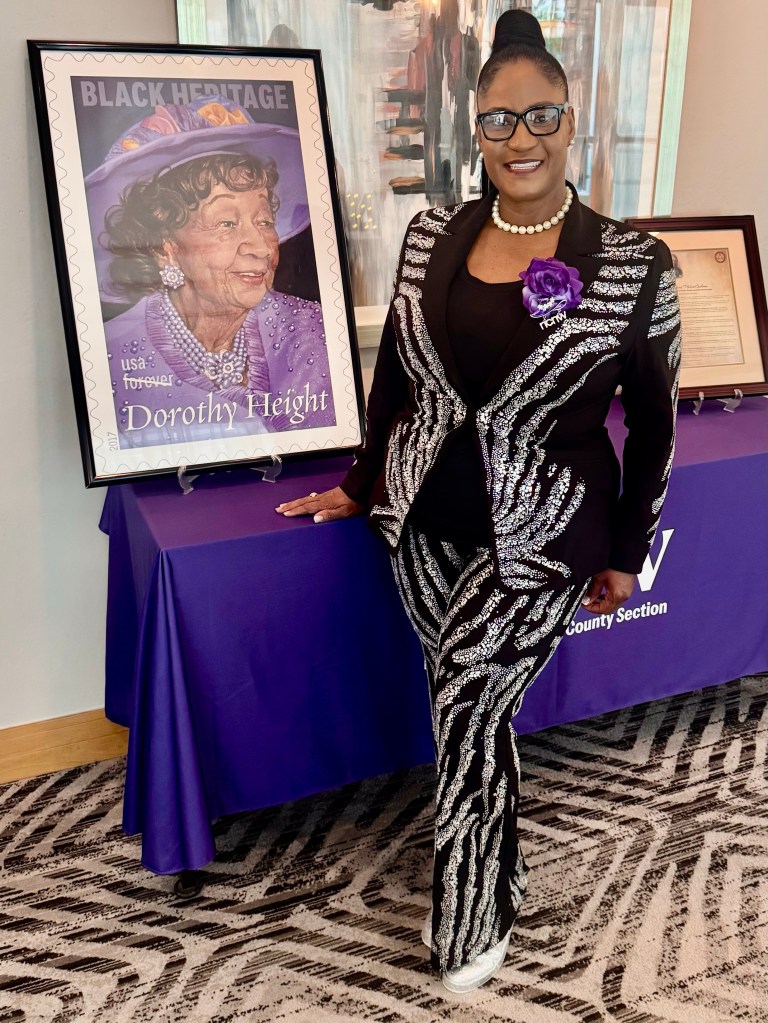
Photo: National Council of Negro Women Metropolitan Dade County Section Chaplain 2024-2026

National Council of Negro Women, Inc. Metropolitan Dade County Section, Inc. is a 501(c) (3) organization.  For more information send email to mdcsncnw@gmail.com

NCNW-MDCS BOOK DRIVE

The Florida State Coalition of NCNW, Inc. is proud to launch the 2nd Annual Statewide “Freedom to Learn” Book Drive to encourage children of all ages to read books by Black Authors and Black Illustrators.

NCNW-Metropolitan Dade County Section (MDCS) is collaborating with FIU and UM Collegiate Sections for this initiative which continues our commitment to literacy, education, and equitable book access, particularly in communities impacted by book bans and limited resources.

Through this drive, we aim to collect and distribute diverse and empowering books that reflect the rich history, culture, and experiences of Black and marginalized communities.

NCNW-MDCS drop off site:

Urban League of Greater Miami, Inc. Education Department; 8400 NW 25th Avenue, Miami, FL 33147. Call 305-836-5196 prior to delivery.

Click here for Amazon Wish List !

Shaquelia Holmes, President NCNW-MDCS

CWC News Interview 3.3.2024: Honorable Shannan “Lady” Ighodaro

CWC News: Conversations with Charito at Excitement Radio

Photo: Lady Shannan Ighodaro

Honorable Shannan “Lady” Ighodaro, an accomplished empowerment strategist, brand and image consultant, and business executive, brings a wealth of experience in public relations, marketing, and community outreach. Elected to the Miami Gardens City Council in a historic November 2020 election, she is the first Bahamian American immigrant to hold this position in the largest African American city in Florida.

As a trailblazer, Shannan introduced and championed the unanimously approved “Made in Miami Gardens Economic Opportunity Public Private Partnership (PPP) grant program,” solidifying her commitment to fostering small business growth. Beyond her political role, she founded Oracle Consulting Group, LLC, specializing in public relations, marketing, and community outreach.

Shannan’s influence extends globally, having successfully branded initiatives for the United Nations, Miami Dade County Public Schools, and the Kids CLASS program. She’s also made a significant impact in education, serving as a consultant for Miami Dade College and Florida Atlantic University.

A visionary in empowerment, Shannan developed the Strategic Empowerment Wheel (SEW), a groundbreaking tool facilitating goal achievement. Holding a Bachelor’s degree in Accounting from Florida Memorial University and an MBA from Nova Southeastern University, she has received numerous awards, including the Miami Dade Community Pillars Award in 2005 and recognition as one of Miami’s most influential black women in business by Legacy Magazine in 2020.

As an author, evangelist, and entrepreneur, Shannan founded the 100 Women of Virtue mentoring initiative, dedicating the past two decades to mentoring young women. Married to Dr. Erhabor Ighodaro, a former councilman and Vice Mayor of Miami Gardens, they are proud parents to twin children. Source: https://www.ighodaro4progress.com/about