A Reassessment of the Recall Effort Targeting Mayor Daniella Levine Cava

By Sharron L. Henley, MA, MIN, Journalist and Radio Personality

Mayor Daniella Levine Cava delivering the State of the County address. Miami-Dade County, 2021.

A recent report by NBC 6 South Florida (2025a) described the recall campaign against Miami-Dade County Mayor Daniella Levine Cava as stemming from broad public dissatisfaction. This framing, however, oversimplifies the motivations behind the recall effort and fails to account for the substantive accomplishments of her administration. A more comprehensive evaluation reveals significant progress across economic development, housing, environmental sustainability, transit, and government modernization areas that directly affect the quality of life for county residents.

Economic Initiatives and Tax Relief

Levine Cava’s administration has prioritized small-business growth and post-pandemic economic recovery. The STRIVE305 program, for example, now supports approximately 15,000 small businesses across the county (The Floridian, 2025a). Additionally, the county expanded non-tax revenue sources, including naming-rights partnerships, to strengthen fiscal stability during challenging economic periods (The Floridian, 2025a).

The mayor also oversaw two consecutive property-tax reductions, resulting in the lowest combined county tax rate since 1982 (Miami-Dade County, 2025). These measures provided direct financial relief for homeowners and contributed to broader economic stability.

Affordable Housing and Tenant Support

Affordable housing has been among the administration’s central priorities. Since taking office, Levine Cava has doubled the county’s affordable-housing investment, funding more than 5,000 new units, with roughly 8,000 additional units in development (The Floridian, 2024). Her administration also established the Office of Housing Advocacy, which offers mediation, landlord–tenant support, eviction-prevention services, and financial guidance for residents struggling with housing costs (The Floridian, 2024). These strategies reflect a holistic approach that addresses both housing supply and resident stability.

Transit and Mobility Improvements

Levine Cava has promoted mobility improvements through the county’s SMART transit program aimed at increasing connectivity and reducing reliance on automobiles (Miami-Dade County, 2025). The launch of Metro Express, a Bus Rapid Transit (BRT) service along the South Dade corridor, represents a major milestone in expanding equitable and efficient public transportation (Axios, 2025).

Environmental Sustainability and Climate Resilience

The administration has implemented an extensive portfolio of sustainability initiatives from installing solar energy and air-conditioning improvements in public housing to electrifying the county vehicle fleet and increasing energy efficiency in public facilities (The Floridian, 2025b). Significant progress has also been made in environmental protection, including septic-to-sewer conversions aimed at improving water quality in Biscayne Bay (The Floridian, 2025b).

To promote long-term resilience and innovation, Levine Cava established the Miami-Dade Innovation Authority (MDIA), which funds companies developing solutions for regional challenges such as sargassum accumulation, infrastructure strain, and traffic management (The Floridian, 2025a).

Government Modernization and Public Accountability

The administration adopted a “No Wrong Door” policy, emphasizing accessible and user-friendly services for residents (Miami-Dade County, 2025). Under Levine Cava’s leadership, county departments earned 151 national awards recognizing excellence in service delivery, fiscal efficiency, and administrative performance (Hoodline, 2025). These achievements indicate ongoing improvements in transparency, responsiveness, and government effectiveness.

Limitations of the Recall Narrative

Although the recall campaign, as reported by NBC 6 South Florida (2025a), highlights constituent concerns, including issues related to local infrastructure, flooding, and public services, these criticisms represent only one dimension of a complex administrative landscape. While no local government can fully avoid operational challenges, the recall campaign risks reducing the mayor’s comprehensive record to isolated frustrations. For many residents, long-term gains in housing, economic stability, environmental protection, and transportation may outweigh the administrative shortcomings emphasized by recall advocates.

An oversimplified recall narrative may also threaten continuity in policy areas that require long-term planning and multi-year implementation. Abrupt leadership changes can undermine progress on housing development, transit expansion, and climate resilience initiatives that depend on stability and multi-agency coordination.


Toward a Balanced Public Evaluation

A more constructive public discussion should situate both achievements and shortcomings within a broader context. Residents would benefit from:

  1. Objective evaluation of outcomes by weighing both tangible successes and legitimate public concerns.
  2. Transparent accountability in areas where county services require improvement.
  3. Inclusive community engagement that supports informed decision-making rather than reactive political mobilization.

Mayor Daniella Levine Cava has guided Miami-Dade County through a period marked by economic recovery, housing pressures, environmental threats, and demographic change. Her administration has delivered measurable improvements in economic support services, housing investment, sustainability planning, and government effectiveness.

Although public dissatisfaction captured in recall reporting is valid in some respects, it presents an incomplete picture of her leadership. A more balanced assessment suggests that the county may benefit not from abrupt political turnover but from continued accountability paired with policy continuity.


References

  • Axios. (2025). Miami-Dade’s express bus service launches Oct. 27.
  • Hoodline. (2025). Miami-Dade County shines with 151 achievement awards from National Association of Counties.
  • Miami-Dade County. (2025). Promises kept, progress made.
  • NBC 6 South Florida. (2025a). Effort underway to hold recall election to remove Miami-Dade mayor from office.
  • NBC 6 South Florida. (2025b). Miami-Dade mayor responds to recall effort saying she’s served “very well”.
  • The Floridian. (2024). Miami-Dade County Mayor Daniella Levine Cava details her work on improving affordable housing.
  • The Floridian. (2025a). Cava highlights economic accomplishments in first term as mayor.
  • The Floridian. (2025b). Miami-Dade County Mayor Daniella Levine Cava addresses climate efforts, sustainability after first term.

Questions or Comments: shenley@cwcnews.org

Tune in every Sunday 12N ET Conversations With Charito on Excitement Radio http://www.excitementradio.com

Women in the Workplace: Insecurity, Leadership, and the Need for Unity

Sharron L. Henley, MA, MIN, Journalist Conversations With Charito, LLC

In today’s workforce, women continue to navigate complex challenges that extend beyond structural inequality. While external barriers such as gender discrimination remain significant, internal divisions among women can also hinder collective progress. Too often, competition, insecurity, and a fear of being overshadowed prevent collaboration and mentorship. When a woman in a leadership position feels threatened by the skills or potential of someone on her team, she may respond by withholding support or creating unnecessary friction. These behaviors not only harm the professional development of others but also perpetuate a cycle of inequality within organizations.

Despite these challenges, progress has been made in many professional settings. Increasingly, organizations are recognizing the value of inclusive leadership, mentorship, and women supporting one another. A 2023 integrative review of leadership challenges for women found that fostering mentorship and peer collaboration significantly improves both retention and promotion outcomes for women in leadership (de Ruiter et al., 2023). Similarly, a 2024 study in STEM fields found that when women hold senior or high-status positions, they increase collaboration among other women and improve team outcomes (Atuk, Akin, & DiMarco, 2024). These findings demonstrate that when women empower one another, they create measurable change within workplace culture and performance.

For Black women in leadership roles, the experience can be particularly layered. They often carry the burden of both racial and gender bias while navigating professional spaces that question their authority or competence. This constant scrutiny can create additional pressure and, at times, foster competition rather than community. Gardner-Kennedy (2023) found that Black women leaders in nonprofit sectors frequently encounter both external racism and internalized color-based bias within their own communities, which can hinder solidarity and trust among colleagues.

Colorism remains a particularly damaging and persistent issue. Within the Black community, lighter skin tones are often unfairly associated with professionalism, attractiveness, and intelligence, perceptions that trace back to colonial history and social hierarchies. A 2023 review of psychological research on colorism among Black women found that darker-skinned women continue to face disproportionate challenges in professional advancement and interpersonal evaluations (Howard, 2023). These biases not only limit individual opportunity but also fracture unity among women who should be allies in progress.

To overcome these obstacles, women must commit to transformational leadership that emphasizes collaboration, empathy, and empowerment. Research on mentorship programs has shown that structured, intentional mentorship creates long-term pathways for women’s advancement and confidence in leadership roles (Nguyen et al., 2024). True leaders cultivate inclusion by celebrating others’ accomplishments, addressing bias directly, and promoting equitable access to opportunity. Intentional collaboration allows women to replace competition with community, creating a foundation for sustained success.

As Maya Angelou once said, “I am convinced of this: good done anywhere is good done everywhere. For a change, start by speaking to people rather than walking by them like they are stones you do not care about” (Angelou, 1993). Her words remind us that leadership begins with empathy and action. Every act of encouragement and support contributes to a larger movement of empowerment and shared achievement.

In this era, when diversity, equity, and inclusion are essential to progress, silence and passivity are no longer acceptable. If you are not supporting, uplifting, or advocating for other women, especially those who face compounded barriers of race or colorism, then you are part of the problem. Leadership today must be grounded in collaboration and compassion. When women lift one another up, they not only advance themselves but also reshape the culture of leadership for generations to come.


References

Angelou, M. (1993). Wouldn’t take nothing for my journey now. Random House.

Atuk, O., Akin, H., & DiMarco, M. (2024). How high-status women promote repeated collaboration among women in male-dominated contexts. arXiv preprint arXiv:2407.03474. https://arxiv.org/abs/2407.03474

de Ruiter, M., Meeussen, L., van Grootel, S., & van Laar, C. (2023). Challenges women experience in leadership careers: An integrative review. Social Sciences, 3(2), 21. 

Gardner-Kennedy, A. (2023). Colorism and women who self-identify as Black in leadership roles (Doctoral dissertation, Walden University). Walden University ScholarWorks. https://scholarworks.waldenu.edu/dissertations/12117

Howard, L. C. (2023). Colorism among Black women: A review of psychological research from 2000 to 2023. Citedrive Research Archive. https://www.citedrive.com/en/discovery/colorism-among-black-women-a-review-of-psychological-research-from-2000-to-2023

Nguyen, T., Ferreira, R., & McNamara, M. (2024). Optimizing mentorship programs from the perspective of academic medicine leadership: A qualitative study. BMC Medical Education, 24(1), 463. https://doi.org/10.1186/s12909-024-05463-6

Memorial Day: In Loving Memory of Those Who Have Fallen

As a proud member of the National Council of Negro Women Metropolitan Dade County Section (NCNW-MDCS), I join our nation today in solemn remembrance and heartfelt gratitude. Memorial Day is more than a pause in our busy lives; it is a sacred moment to honor the brave men and women who laid down their lives in service to this country. Their courage, their sacrifice, and their legacy deserve not just our respect, but our ongoing commitment to the values they fought to uphold: freedom, justice, and equality for all.

Photo: Sharron L. Henley serving as Mistress of Ceremonies during Umbrella Luncheon May 4, 2025. (Miami, Florida)

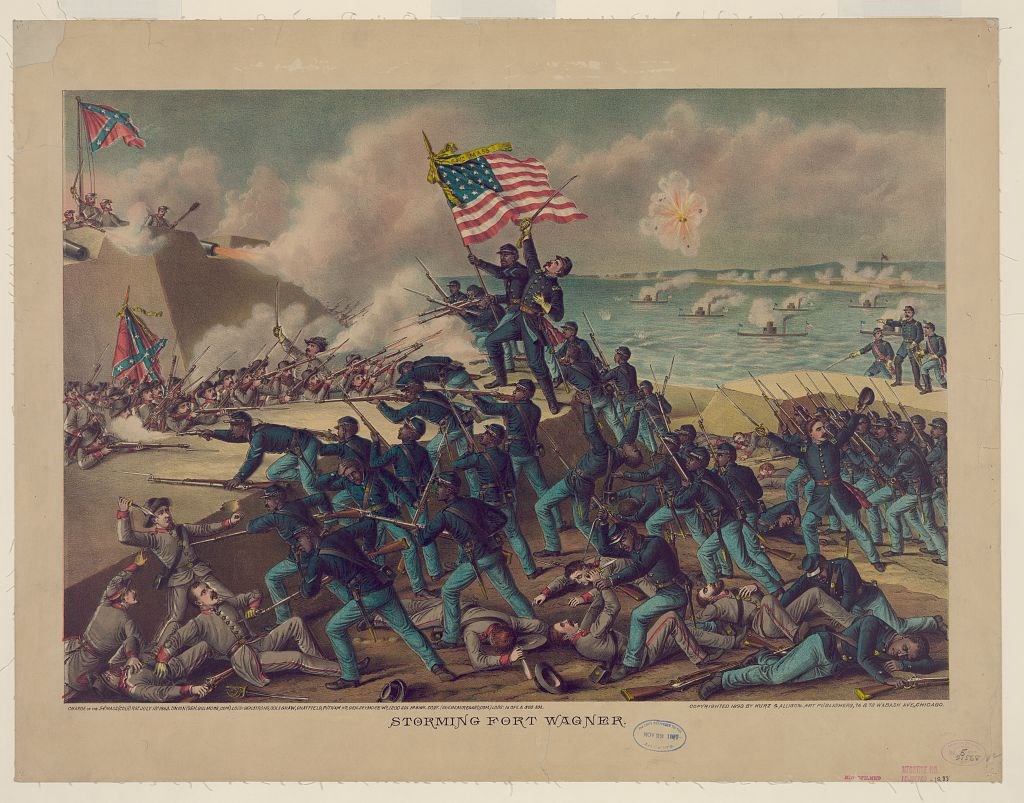
For African Americans, Memorial Day carries a special resonance. Our history is deeply entwined with the story of this day. It is widely recognized that one of the earliest Memorial Day commemorations was organized in 1865 by formerly enslaved people in Charleston, South Carolina, who gathered to honor Union soldiers who fought and died for their liberation. This act of remembrance, born from a community long denied dignity, helped shape a national tradition that endures to this day.

Photo: 54th Massachusetts Regiment “Storming Fort Wagner,” Kurz and Allison, Library of Congress

We remember the 54th Massachusetts Regiment, Tuskegee Airmen, the 6888th Central Postal Directory Battalion, and countless others; Black men and women who served with valor, often in the face of segregation and discrimination.

Their service reminds us that patriotism is not defined by uniform treatment, but by unwavering dedication to the ideals of this nation, even when those ideals are not yet fully realized.

Today, as a member of NCNW-MDCS, I reflect on how our mission to lead, advocate, and empower Black women and their families intersects with the spirit of Memorial Day. We continue the work our ancestors began: building communities, lifting voices, and shaping a more just society. We do so standing on the shoulders of those who paid the ultimate price, not only on the battlefield, but also in the fight for dignity and equality at home.

As we lay wreaths, raise flags, and bow our heads in silence, let us also raise our voices in purpose. Let us honor the fallen not only in memory, but in action by building a future worthy of their sacrifice.

To our heroes: we remember you. We honor you. We will never forget you.


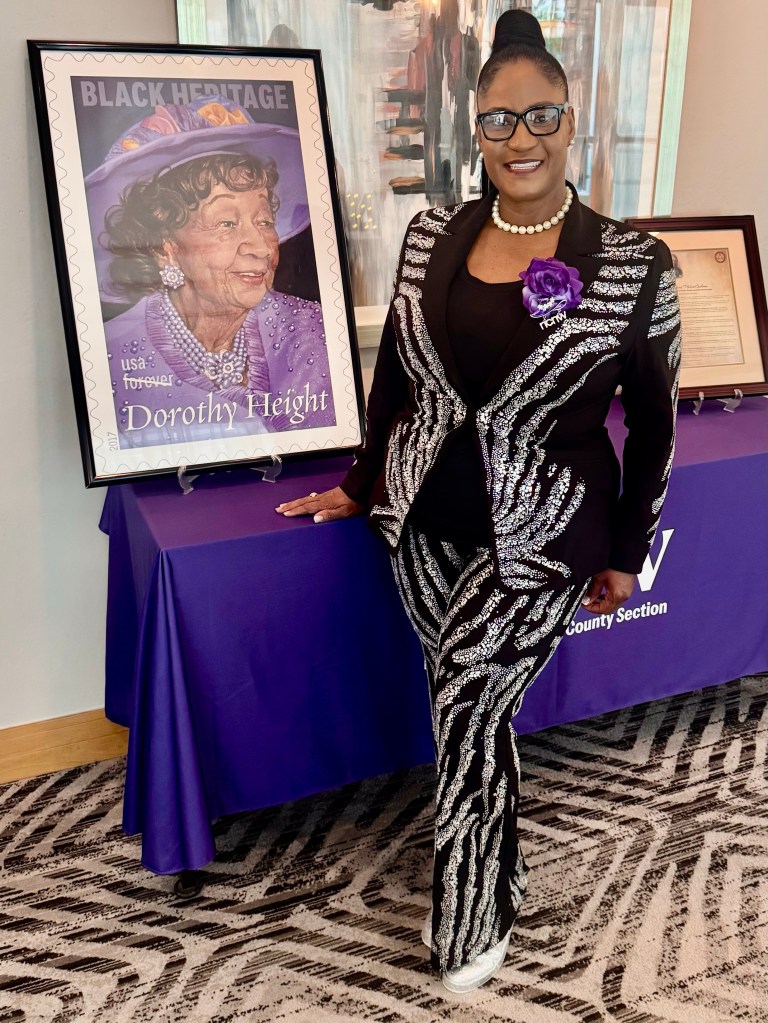
Photo: National Council of Negro Women Metropolitan Dade County Section Chaplain 2024-2026

National Council of Negro Women, Inc. Metropolitan Dade County Section, Inc. is a 501(c) (3) organization.  For more information send email to mdcsncnw@gmail.com