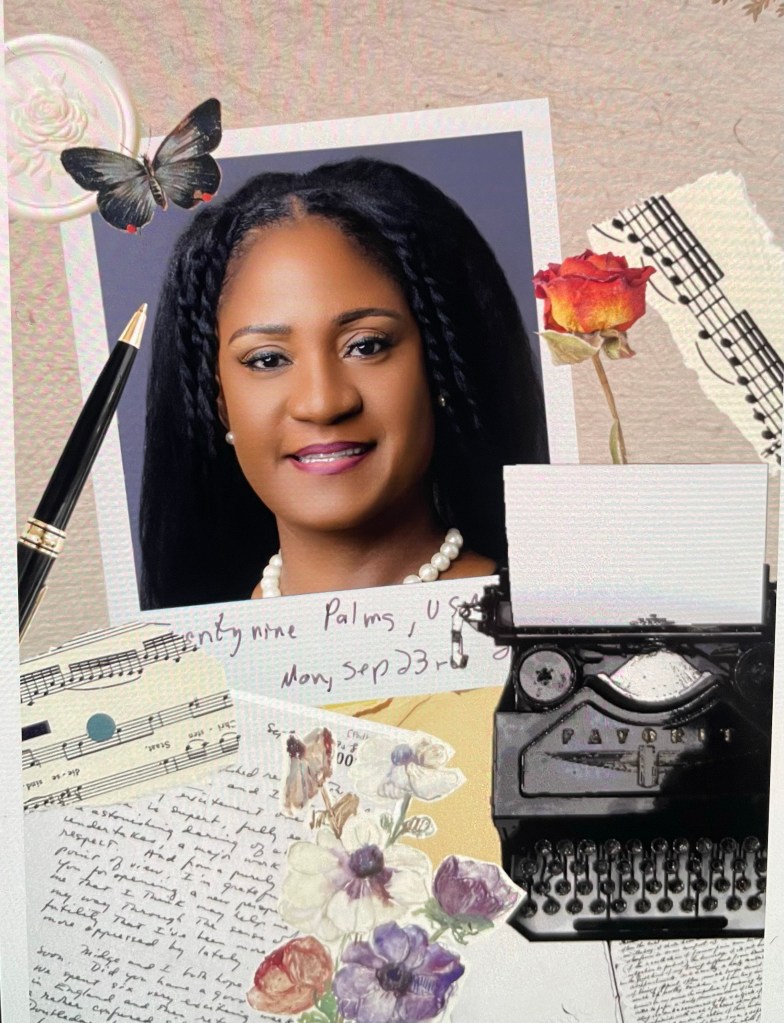
In today’s workforce, women continue to navigate complex challenges that extend beyond structural inequality. While external barriers such as gender discrimination remain significant, internal divisions among women can also hinder collective progress. Too often, competition, insecurity, and a fear of being overshadowed prevent collaboration and mentorship. When a woman in a leadership position feels threatened by the skills or potential of someone on her team, she may respond by withholding support or creating unnecessary friction. These behaviors not only harm the professional development of others but also perpetuate a cycle of inequality within organizations.
Despite these challenges, progress has been made in many professional settings. Increasingly, organizations are recognizing the value of inclusive leadership, mentorship, and women supporting one another. A 2023 integrative review of leadership challenges for women found that fostering mentorship and peer collaboration significantly improves both retention and promotion outcomes for women in leadership (de Ruiter et al., 2023). Similarly, a 2024 study in STEM fields found that when women hold senior or high-status positions, they increase collaboration among other women and improve team outcomes (Atuk, Akin, & DiMarco, 2024). These findings demonstrate that when women empower one another, they create measurable change within workplace culture and performance.
For Black women in leadership roles, the experience can be particularly layered. They often carry the burden of both racial and gender bias while navigating professional spaces that question their authority or competence. This constant scrutiny can create additional pressure and, at times, foster competition rather than community. Gardner-Kennedy (2023) found that Black women leaders in nonprofit sectors frequently encounter both external racism and internalized color-based bias within their own communities, which can hinder solidarity and trust among colleagues.
Colorism remains a particularly damaging and persistent issue. Within the Black community, lighter skin tones are often unfairly associated with professionalism, attractiveness, and intelligence, perceptions that trace back to colonial history and social hierarchies. A 2023 review of psychological research on colorism among Black women found that darker-skinned women continue to face disproportionate challenges in professional advancement and interpersonal evaluations (Howard, 2023). These biases not only limit individual opportunity but also fracture unity among women who should be allies in progress.
To overcome these obstacles, women must commit to transformational leadership that emphasizes collaboration, empathy, and empowerment. Research on mentorship programs has shown that structured, intentional mentorship creates long-term pathways for women’s advancement and confidence in leadership roles (Nguyen et al., 2024). True leaders cultivate inclusion by celebrating others’ accomplishments, addressing bias directly, and promoting equitable access to opportunity. Intentional collaboration allows women to replace competition with community, creating a foundation for sustained success.
As Maya Angelou once said, “I am convinced of this: good done anywhere is good done everywhere. For a change, start by speaking to people rather than walking by them like they are stones you do not care about” (Angelou, 1993). Her words remind us that leadership begins with empathy and action. Every act of encouragement and support contributes to a larger movement of empowerment and shared achievement.
In this era, when diversity, equity, and inclusion are essential to progress, silence and passivity are no longer acceptable. If you are not supporting, uplifting, or advocating for other women, especially those who face compounded barriers of race or colorism, then you are part of the problem. Leadership today must be grounded in collaboration and compassion. When women lift one another up, they not only advance themselves but also reshape the culture of leadership for generations to come.
References
Angelou, M. (1993). Wouldn’t take nothing for my journey now. Random House.
Atuk, O., Akin, H., & DiMarco, M. (2024). How high-status women promote repeated collaboration among women in male-dominated contexts. arXiv preprint arXiv:2407.03474. https://arxiv.org/abs/2407.03474
de Ruiter, M., Meeussen, L., van Grootel, S., & van Laar, C. (2023). Challenges women experience in leadership careers: An integrative review. Social Sciences, 3(2), 21.
Gardner-Kennedy, A. (2023). Colorism and women who self-identify as Black in leadership roles (Doctoral dissertation, Walden University). Walden University ScholarWorks. https://scholarworks.waldenu.edu/dissertations/12117
Howard, L. C. (2023). Colorism among Black women: A review of psychological research from 2000 to 2023. Citedrive Research Archive. https://www.citedrive.com/en/discovery/colorism-among-black-women-a-review-of-psychological-research-from-2000-to-2023
Nguyen, T., Ferreira, R., & McNamara, M. (2024). Optimizing mentorship programs from the perspective of academic medicine leadership: A qualitative study. BMC Medical Education, 24(1), 463. https://doi.org/10.1186/s12909-024-05463-6

 CWC News