Should Miami-Dade County Public Schools include self-defense instruction for K-12 Curriculum to Combat Bullying?

Brielle Archellus, a sixth-grade honor roll student from Liberty City, Florida faced classroom bullying. Her parents encouraged her to share her experience in an interview to encourage others to stand against bullying. Archellus was determined to tell her side of the story and give advice to other school-aged children.

Interview with Brielle Archellus

During the interview, a quiet, shy, and beautiful melanin-skinned young girl entered the building and nervously shuffled her feet under the table while adjusting her microphone. Then, in a soft-spoken voice, she said, “Hi, my name is Brielle Archellus, and today we are going to talk about bullying.” Archellus, while describing the bullying incident, nervously expressing how it was making her feel, brought her anti-bullying message to life.

“I just don’t understand why they want to bully someone; I just want to go to school and get good grades so that my mom and dad will be proud of me,” said Archellus. 

“Sometimes people have problems at home that they don’t want to talk about. My mom, dad and brothers love me. They show me that they care. Sometimes kids don’t have that, so they get mad at you because you are happy. I’m not going to let them make me mad all the time, but I’m not going to let anybody just keep hitting me,” said Archellus.

The bullying incident that Brielle experienced is a prime example of why a self-defense K-12 Curriculum to combat bullying is vital in the local school district. 

Self-defense classes, such as martial arts or karate, are usually offered by private companies or provided through an advocate diversion program after a person becomes a victim of bullying or the aggressor. 

However, fees and costs associated with participation or certification of the classes mentioned above may pose a problem for minorities residing in low socio-economic areas in urban school districts, like Miami-Dade County Public Schools (M-DCPS). They have limited incomes or are receiving public assistance on a fixed income.

M-DCPS is the largest school district in Florida, and the third largest district in the nation. A diverse population of minorities, from low-income to middle income, with more than 35,000 employees, 340,000 K-12 students, inclusive of Title I Schools; whereas Title I provides federal funding to support effective, evidence-based educational strategies that close the achievement gap and enable the students to meet the state’s challenging academic standards. (M-DCPS Statistical Highlights 2019-2021).

The current Florida Statute 1006.147, adopted due to a bullying suicide, became law, known as Jeffrey Johnston Stand Up for All Students Act requires school districts in Florida to adopt an official policy prohibiting bullying and harassment of students.

“Providing evidence-based instruction that promotes preventive self-defense while incorporating character building, conflict resolution, and social-emotional skills, will decrease the number of victims affected by bullying and deter bullying in K-12 educational settings in Florida.” (Gage, Lee, et, al 2019) explained that utilizing the School Wide Positive Behavior Interventions and Supports program solely may not have a long-term effect, but by integrating evidence-based bullying prevention and intervention programs has the probability of producing positive outcomes with anti-bullying and behavioral bullying.

PSA:Stop Bullying with Jamari Bell

In an interview with Jamari Bell, featured in the “Stop Bullying” PSA, Bell shared his perspective and personal experience regarding a recent bullying incident. “I didn’t do anything to him.  I am new to the school, and he thought that he could push me around. The first time it happened to me, I didn’t tell the teacher or my mom. He was bigger than me, but I wasn’t afraid to tell the teacher. I just wanted to handle it myself, so he would not bother me anymore,” said Bell.

“Bullying is not right, because they could hurt people’s feelings. It’s not nice to bully. Being a bully is not good because it can make people commit suicide. I think schools should have classes for people who get bullied and people who bully people so they could learn how to stop bullying,” said Bell. 

“When people bully other people, sometimes that makes them commit suicide, and I don’t think that they should bully people,” said Bell.  

Jamari’s mother, Mahoghaney Bell, expressed her concern about the way the principal handled the incident. “The principal called the school police on my son, and he was the victim. They need to do better with children that are victims of bullying,” said Bell.
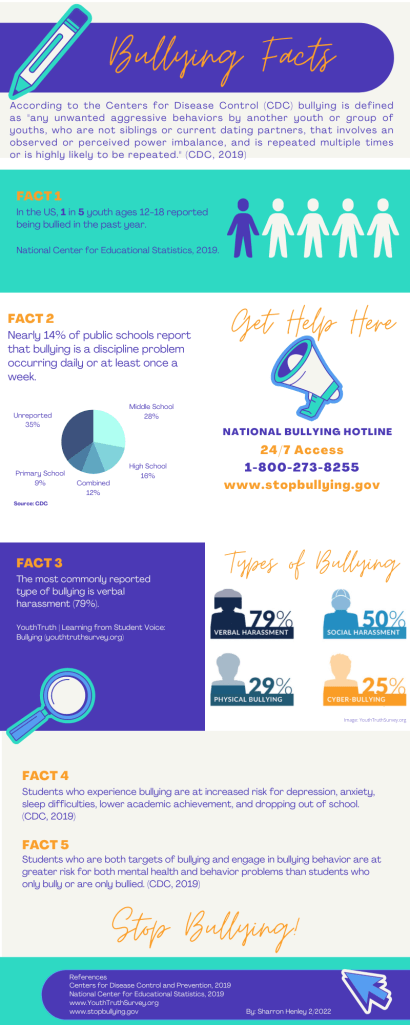
#BullyingFacts

According to the CDC (2019), “1 in 5 youth ages 12-18 reported being bullied in the past year”. Victims of bullying may endure name calling, threats, and intimidation over an extended period, while many incidents go unreported out of fear or embarrassment.

Information provided by the CDC in the research pamphlet The Relationship Between Bullying and Suicide: What We Know and What it Means for Schools developed in 2014 to respond to problems of bullying and suicide-related behavior concluded the following:

“The bottom-line of the most current research findings is that being involved in bullying in any way—as a person who bullies, a person who is bullied, or a person who both bullies and is bullied (bully-victim)—is ONE of several important risk factors that appears to increase the risk of suicide among youth.” 

According to the CDC (2019), “Students who experience bullying are at an increased risk for depression, anxiety, sleep difficulties, lower academic achievement, and dropping out of school.
Interview with Anthony Harris, Dean of Students

In an interview with Anthony Harris, Dean of Students, known for his raspy voice, at Excelsior Charter Prep Academy, of Miami-Dade County Public Schools, also known as Coach Harris, proudly discussing his anniversary of serving as a disciplinarian, mentor and coach to impressionable youth in urban areas of South Florida, showing considerable concern regarding the notifications of recent threats, and possible weapons on several campuses across the local school district.

“In the past 17 years I’ve served over 12,000 students, many whom were either victims or aggressors of bullying. However, most students, whether they’re victims or aggressors, don’t realize they’re bullying someone, on and off social media.  This is behavior is not tolerated in the school district or at my school sites,” said Harris.

As a former athlete, Harris reluctantly recalls using bullying tactics, a common practice during his adolescent years, to members of the opposing team in high school. Harris recalls seeing the effects of bullying in his hometown community of Ft. Myers, Florida.

Overwhelming outcomes and experiences of becoming a college student, adjusting to changing behaviors as a professional athlete, transitioning to an NFL player, became a life changing decision for Harris to improve and expand his community involvement efforts to save troubled youth in urban school districts, experiencing bullying.

During the interview, Harris stated that, “Students should be able to come to school without worrying about bullying, gangs or illegal drugs on campus.”

“Students oftentimes become used to the behaviors of bullying, as victims, they become reluctant to report the incidents for fear of retaliation, but we have a zero tolerance for bullying, threats of school violence, or any other at-risk behaviors at our schools,” said Harris.

“Serving as a Dean of Students comes with an array of responsibilities, but first and foremost it is my responsibility to create a safe environment where the teachers can teach without distractions and the students can learn without distractions. I am only one individual, I believe that a curriculum focused on bullying prevention, delivered as a required course during school hours, would be beneficial, since after-school programs concentrate on sports, intervention should occur before they get on the field, just like the NFL,” said Harris.

In an interview, Lynda Roberts North Miami Beach Police Department Athletic League (PAL) and Florida State-Wide PAL Coordinator, discussed the importance of providing enrichment and prevention activities for youth ages 13-18.

 “Offering a safe environment and cultural enrichment activities provides a diversion for bullying. When youth are engaged in meaningful and stimulating activities, they don’t have time for bullying. To show the seriousness of bullying in schools, it is worth putting some statistics into perspective,” said Roberts.

According to the U.S. Department of Justice, Bureau of Justice Statistics, School Crime Supplement (SCS) to the National Crime Victimization Survey (2019) “In 2019, about 22 percent of students ages 12–18 reported being bullied at school during the school year, which was lower than the percentage reported in 2009 (28 percent). In 2019, about 16 percent of students in grades 9–12 reported being electronically bullied during the previous 12 months.” 

“Our job is to protect and serve as law enforcement officials, but we also have to consider the fact that some bullying incidents end in school shootings and homicides. We have to ensure that the youth served in our programs receive bullying prevention education to prevent incidents from occurring in our schools,” said Roberts.

“An innocent life lost to senseless gun violence is never acceptable to any family member.  No one ever reaches a level of understanding, they only seek closure and someone to be convicted or take responsibility in the loss of their loved one, especially if it was caused by bullying, which can be prevented,” said Roberts.

“Youth enrolled in our Police Athletic Leagues across the state of Florida have a better opportunity in becoming productive citizens in our communities through prevention efforts and programs, designed to deter youth from at-risk behaviors,” said Roberts.

Roberts continued by saying, “PAL programs across the state of Florida continue to work tirelessly, and collaboratively with local school districts, social service organizations, and law enforcement groups, to deter at-risk youth behaviors.  We have more work to do, if we plan on eradicating the effects of bullying on youth and their future.”

In an interview with Garry Graham owner of Graham Counseling & Consulting, LLC from New York, a licensed mental health counselor and therapist, he discussed counseling services for a few adults who were victims of bullying.

Interview with Garry Graham, Mental Health Counselor

 “About 35% of the adults that I work with were bullied in their childhood, the remaining percentages possibly never admitted their experience, due to embarrassment. Those who have been bullied experience depression, or even feeling inadequate, or less of a person,” said Graham.

According to Sandee LaMotte of CNN adults serving as bullies, are the likely victims of childhood bullying, troubling childhood experiences, and adolescent bullying.

Based on a study in the Journal of Child and Family Studies by Ellen DeLara of Syracuse University, the need for expanded research by health care providers, supporting the impact of childhood bullying, and the effects of behaviors lasting into adult life is essential.

“A lot of people like to think that you have to put anti-bullying information in a K-12 curriculum. That’s the easy part. The identifying and most important marker for me is to identify the bully,” said Graham.

For more information on suicide prevention, call the National Suicide Prevention Lifeline at 1-800-273-8255 (TALK) or visit http://www.stopbullying.gov

Click on the link for updates and additional information on collaborative partnerships with United Teachers of Dade in support of “Should Miami-Dade County Public Schools include self-defense instruction for K-12 Curriculum to Combat Bullying?”

Click on the link below to view or download a copy of “Should Miami-Dade County Public Schools include self-defense instruction for K-12 Curriculum to Combat Bullying?” by Sharron L. Henley (2022)
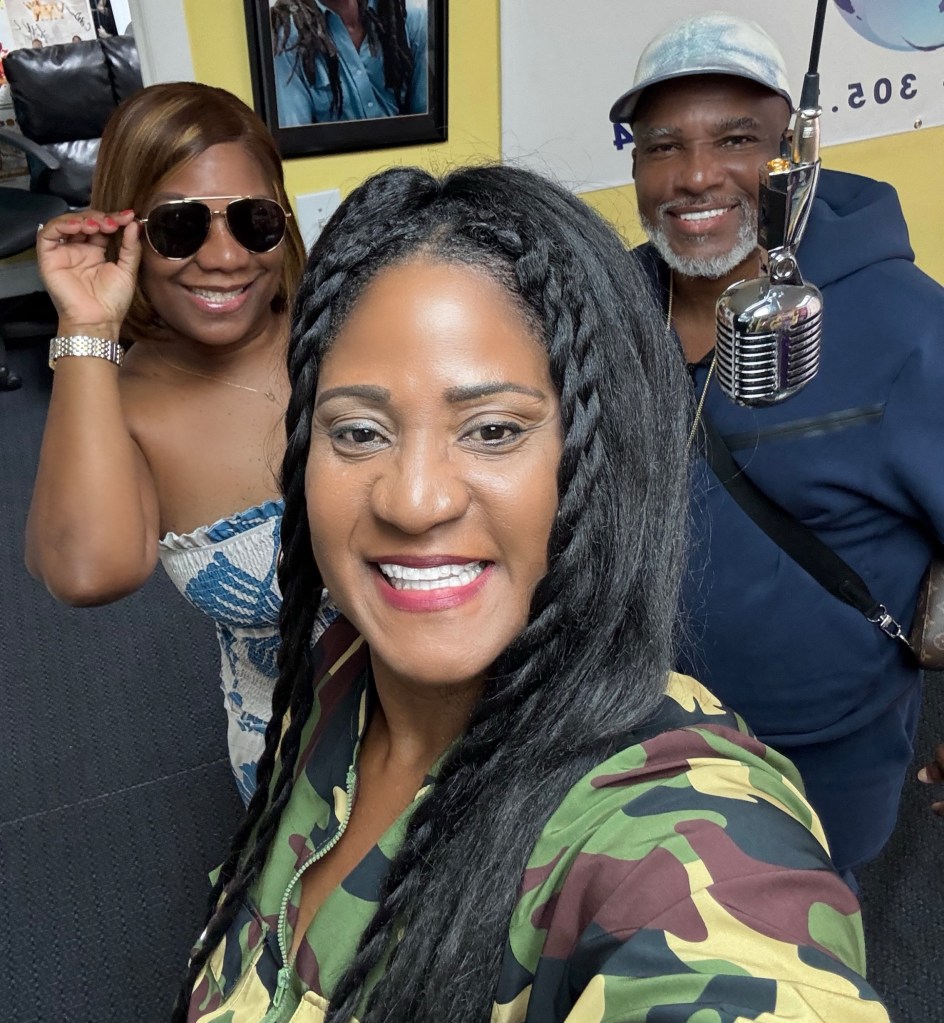
Ark of the City, Inc.: Terry and Sherria Elliot Build a Legacy of Service, Family, and Community Pride on 15th Avenue

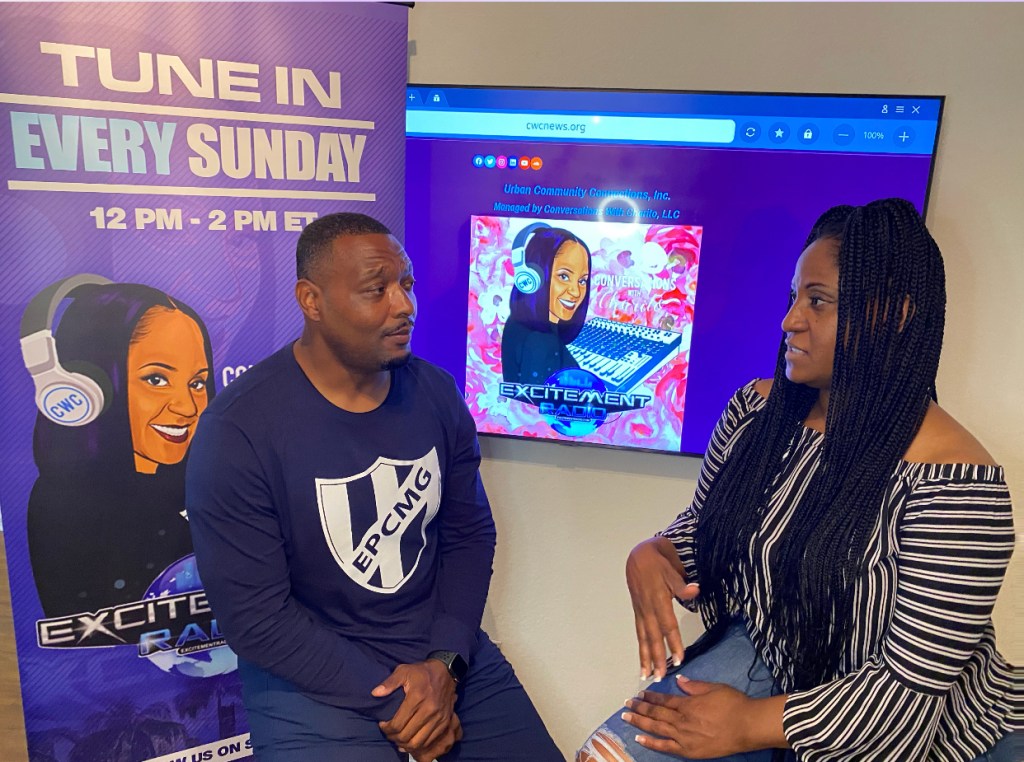
Photo: The Elliot’s vibing with Charito on Conversations with Charito at Excitement Radio Station. December 7, 2025.

On 15th Avenue, in Liberty City, FL, where resilience and hope meet every day, Ark of the City, Inc. continues to stand as a beacon of support for families and youth. Founded and led by husband-and-wife team Terry and Sherria Elliot, the organization has become one of the community’s most trusted pillars, offering mentorship, educational support, family outreach, and a wide range of empowerment programs designed to uplift and inspire.

For the Elliots, Ark of the City, Inc. is not just a nonprofit, it’s a family mission and a labor of love.

A Family Dedicated to Community

The couple’s dedication to service is mirrored by their children, who have been actively involved in the organization’s work since its earliest days. Whether assisting with youth programs, participating in outreach activities, or helping coordinate community events, the Elliot children have embraced the spirit of giving back that defines their parents’ legacy.

“Service is part of our family DNA,” Sherria says. “Our children have grown up understanding the value of community, and they contribute to this mission with the same passion we do.”

A Record of Impact

Ark of the City has earned its reputation through consistent, hands-on community engagement. The organization provides mentorship programs, leadership development, academic support, and resources for families facing hardship. Their approach is rooted in accessibility, meeting people where they are and offering the tools they need to move forward.

“Our mission is simple,” says Terry. “We want every young person who walks through our doors to know they are capable, valued, and supported. That’s the foundation for lifelong success.”

Parents describe the organization as a lifeline. Volunteers describe it as purposeful. The youth describe it as home.

Honoring Excellence: The Annual Wall of Fame

One of Ark of the City’s most distinguished traditions is its Wall of Fame Honoring Ceremony, held annually to recognize individuals who have made major contributions to the community. Honorees include educators, mentors, local leaders, outstanding alumni, and neighborhood change makers, people whose dedication has left a lasting impact.

The Wall of Fame serves as both a tribute and an inspiration. New honorees are added each year, their stories displayed prominently for the youth to see.

“The Wall of Fame is about representation,” Sherria explains. “Our young people deserve to see examples of success coming directly from their own neighborhoods. It reminds them that greatness grows right here at home.”

A Holiday Tradition: Christmas on 15th Ave

Each December, Ark of the City hosts its signature event: Christmas on 15th Ave, a celebration that brings the entire community together. What began as a small outreach effort has grown into a festive, city-wide tradition featuring music, entertainment, toys, food, and holiday joy for hundreds of families.

The Elliots and their children work alongside volunteers to ensure every child leaves with a gift, a smile, and a memory that lasts long after the season ends.

“Christmas on 15th Ave is our way of saying, ‘We see you. We care. You belong,’” Terry says. “It’s a moment of joy for families who need it most.”

The event has become a staple of the holiday season, uniting neighbors, lifting spirits, and reinforcing the values that Ark of the City stands for.

A Legacy in Motion

As Ark of the City continues to expand its programs and deepen its impact, the Elliots remain committed to their core philosophy: service, family, and community partnership. Their work is a reminder that meaningful change begins with people who care enough to act and who remain consistent in that commitment.

“With our children, our volunteers, and our Wall of Fame honorees, we’re building something that will last for generations,” Sherria says. “This isn’t just our story, it’s the story of everyone who believes in the power of community.”

On 15th Avenue, that power is alive and growing. And at the heart of it stands Ark of the City, Inc., a living testament to what happens when a family’s mission becomes a community’s hope.


https://video.ibm.com/recorded/134622411

A Reassessment of the Recall Effort Targeting Mayor Daniella Levine Cava

By Sharron L. Henley, MA, MIN, Journalist and Radio Personality

Mayor Daniella Levine Cava delivering the State of the County address. Miami-Dade County, 2021.

A recent report by NBC 6 South Florida (2025a) described the recall campaign against Miami-Dade County Mayor Daniella Levine Cava as stemming from broad public dissatisfaction. This framing, however, oversimplifies the motivations behind the recall effort and fails to account for the substantive accomplishments of her administration. A more comprehensive evaluation reveals significant progress across economic development, housing, environmental sustainability, transit, and government modernization areas that directly affect the quality of life for county residents.

Economic Initiatives and Tax Relief

Levine Cava’s administration has prioritized small-business growth and post-pandemic economic recovery. The STRIVE305 program, for example, now supports approximately 15,000 small businesses across the county (The Floridian, 2025a). Additionally, the county expanded non-tax revenue sources, including naming-rights partnerships, to strengthen fiscal stability during challenging economic periods (The Floridian, 2025a).

The mayor also oversaw two consecutive property-tax reductions, resulting in the lowest combined county tax rate since 1982 (Miami-Dade County, 2025). These measures provided direct financial relief for homeowners and contributed to broader economic stability.

Affordable Housing and Tenant Support

Affordable housing has been among the administration’s central priorities. Since taking office, Levine Cava has doubled the county’s affordable-housing investment, funding more than 5,000 new units, with roughly 8,000 additional units in development (The Floridian, 2024). Her administration also established the Office of Housing Advocacy, which offers mediation, landlord–tenant support, eviction-prevention services, and financial guidance for residents struggling with housing costs (The Floridian, 2024). These strategies reflect a holistic approach that addresses both housing supply and resident stability.

Transit and Mobility Improvements

Levine Cava has promoted mobility improvements through the county’s SMART transit program aimed at increasing connectivity and reducing reliance on automobiles (Miami-Dade County, 2025). The launch of Metro Express, a Bus Rapid Transit (BRT) service along the South Dade corridor, represents a major milestone in expanding equitable and efficient public transportation (Axios, 2025).

Environmental Sustainability and Climate Resilience

The administration has implemented an extensive portfolio of sustainability initiatives from installing solar energy and air-conditioning improvements in public housing to electrifying the county vehicle fleet and increasing energy efficiency in public facilities (The Floridian, 2025b). Significant progress has also been made in environmental protection, including septic-to-sewer conversions aimed at improving water quality in Biscayne Bay (The Floridian, 2025b).

To promote long-term resilience and innovation, Levine Cava established the Miami-Dade Innovation Authority (MDIA), which funds companies developing solutions for regional challenges such as sargassum accumulation, infrastructure strain, and traffic management (The Floridian, 2025a).

Government Modernization and Public Accountability

The administration adopted a “No Wrong Door” policy, emphasizing accessible and user-friendly services for residents (Miami-Dade County, 2025). Under Levine Cava’s leadership, county departments earned 151 national awards recognizing excellence in service delivery, fiscal efficiency, and administrative performance (Hoodline, 2025). These achievements indicate ongoing improvements in transparency, responsiveness, and government effectiveness.

Limitations of the Recall Narrative

Although the recall campaign, as reported by NBC 6 South Florida (2025a), highlights constituent concerns, including issues related to local infrastructure, flooding, and public services, these criticisms represent only one dimension of a complex administrative landscape. While no local government can fully avoid operational challenges, the recall campaign risks reducing the mayor’s comprehensive record to isolated frustrations. For many residents, long-term gains in housing, economic stability, environmental protection, and transportation may outweigh the administrative shortcomings emphasized by recall advocates.

An oversimplified recall narrative may also threaten continuity in policy areas that require long-term planning and multi-year implementation. Abrupt leadership changes can undermine progress on housing development, transit expansion, and climate resilience initiatives that depend on stability and multi-agency coordination.


Toward a Balanced Public Evaluation

A more constructive public discussion should situate both achievements and shortcomings within a broader context. Residents would benefit from:

  1. Objective evaluation of outcomes by weighing both tangible successes and legitimate public concerns.
  2. Transparent accountability in areas where county services require improvement.
  3. Inclusive community engagement that supports informed decision-making rather than reactive political mobilization.

Mayor Daniella Levine Cava has guided Miami-Dade County through a period marked by economic recovery, housing pressures, environmental threats, and demographic change. Her administration has delivered measurable improvements in economic support services, housing investment, sustainability planning, and government effectiveness.

Although public dissatisfaction captured in recall reporting is valid in some respects, it presents an incomplete picture of her leadership. A more balanced assessment suggests that the county may benefit not from abrupt political turnover but from continued accountability paired with policy continuity.


References

  • Axios. (2025). Miami-Dade’s express bus service launches Oct. 27.
  • Hoodline. (2025). Miami-Dade County shines with 151 achievement awards from National Association of Counties.
  • Miami-Dade County. (2025). Promises kept, progress made.
  • NBC 6 South Florida. (2025a). Effort underway to hold recall election to remove Miami-Dade mayor from office.
  • NBC 6 South Florida. (2025b). Miami-Dade mayor responds to recall effort saying she’s served “very well”.
  • The Floridian. (2024). Miami-Dade County Mayor Daniella Levine Cava details her work on improving affordable housing.
  • The Floridian. (2025a). Cava highlights economic accomplishments in first term as mayor.
  • The Floridian. (2025b). Miami-Dade County Mayor Daniella Levine Cava addresses climate efforts, sustainability after first term.

Questions or Comments: shenley@cwcnews.org

Tune in every Sunday 12N ET Conversations With Charito on Excitement Radio http://www.excitementradio.com

Brian McKnight: The High Cost of Starting Over; Rising From Success to Scrutiny, and the Turmoil of Starting Over

A Deep Look at Reinvention, Backlash, and the Human Need for Renewal

By Sharron L. Henley, MA, MIN, Journalist and Radio Personality

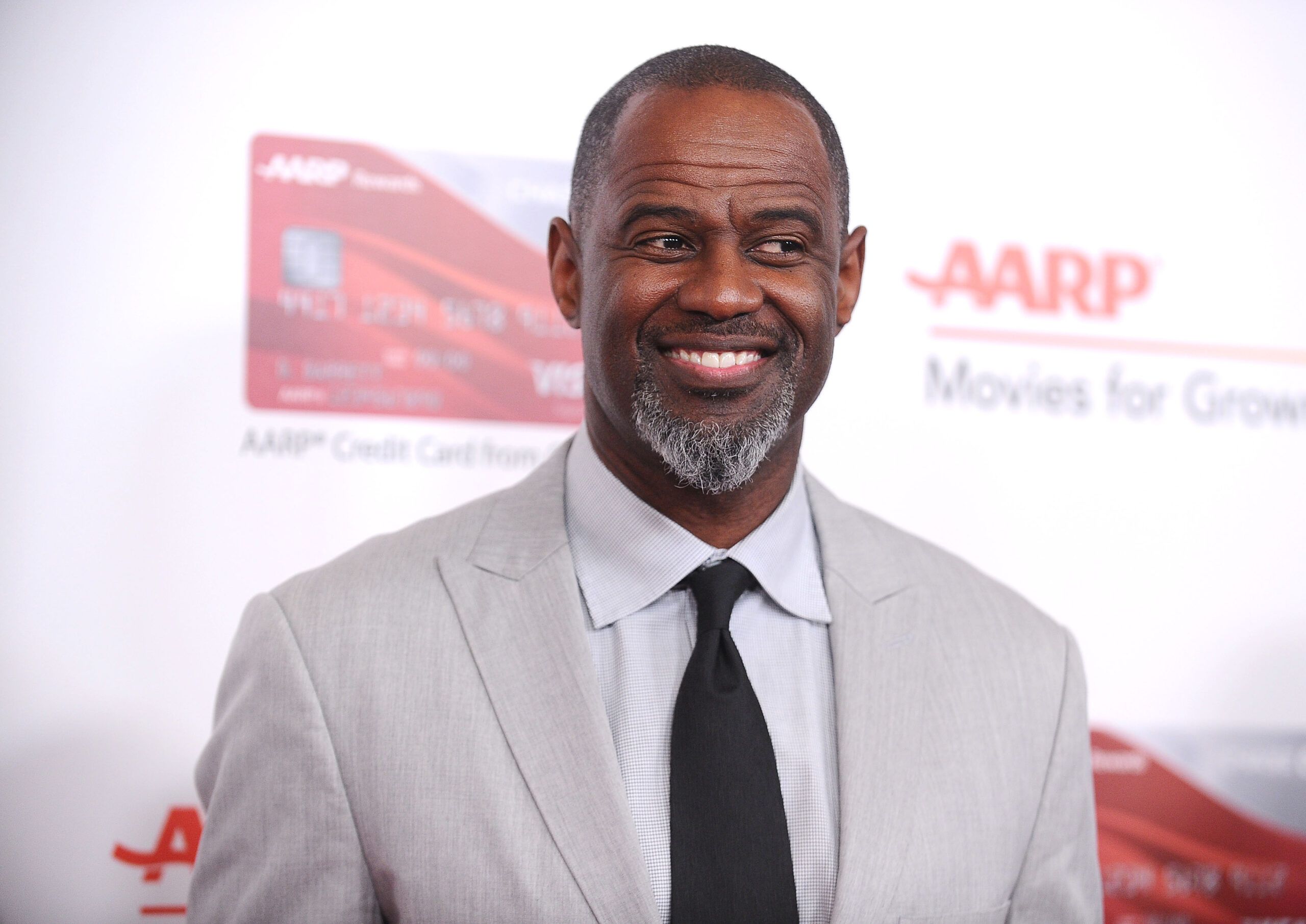
Image
Photo Credit: Gamma-USA/Alamy Live
Los Angeles, USA. 06th Feb, 2017. Brian McKnight arriving at the 16th Annual AARP The Magazine’s Movies For Grownups Awards at the Beverly Wilshire Four Seasons Hotel on February 6, 2017 in Beverly Hills,

Brian McKnight, renowned R&B artist, has faced public scrutiny in recent years due to strained family relationships and his attempts to start a new life. This article examines the timeline of McKnight’s public controversies, the broader conversation on reinvention and mental health, and the challenges of rebuilding family and personal identity after past trauma.


For decades, Brian McKnight was celebrated as one of R&B’s smoothest and most enduring voices. Yet today, he navigates a different spotlight, one shaped by controversy and scrutiny over his family relationships (Atlanta Black Star, 2025; Essence, 2025).

Once celebrated across generations for his silky voice and timeless R&B hits like “Back at One,” Brian McKnight now finds himself at the center of a very different kind of spotlight; one casting a harsh glare on his personal life. Over the past months, the veteran singer has weathered widespread backlash over comments about his past relationships and children, forcing many fans to question whether McKnight’s decision to “start over” has come at the cost of his legacy and personal integrity.

From Beloved R&B Icon to Public Controversy

Known for decades as a smooth-voiced romantic crooner, McKnight once seemed destined for long-lasting reverence in R&B history. Yet that legacy has recently been overshadowed by a series of revelations and public statements about his family life that have surprised and angered many longtime supporters.

In a widely publicized interview, McKnight recounted his narrative of meeting his first wife, Julie McKnight, while in college. He admitted that, although they married and had children, “he was never in love with their mother,” framing their relationship more as an obligation than one rooted in affection. (Atlanta Black Star)

Those comments reopened deep wounds , especially given the fraught relationships with his children from past relationships. For years, McKnight’s relationship with his eldest children: Brian McKnight Jr.; Niko McKnight; Briana McKnight; and Clyde McKnight has been strained. (Essence)

In April 2024, McKnight further stirred controversy by referring to his eldest children as “products of sin,” calling them “evil” and declaring that, to live a life he loves, he needed to “get rid of the evil and negativity, even if that evil and negativity is related to you.” (Atlanta Black Star)

That abrupt rejection of his own children, especially during a time when one of them, Niko, was battling cancer, stunned many fans and tarnished McKnight’s public image. (Yahoo)


The Fallout: Boycotts, Canceled Shows, and a Fractured Legacy

The backlash was swift and far-reaching. Tours and scheduled concerts began to collapse under the weight of public outrage. According to reports, one of his Detroit shows was canceled after fans organized a boycott in protest of his remarks about his children. (Music Times)

Further signifying the damage to his professional standing, Claflin University canceled a planned appearance by McKnight for a scholarship fundraiser, a clear indication that institutions are also reconsidering their association with him. (Yahoo)

Perhaps most painful publicly was his reaction after the death of his son Niko in May 2025. Following the loss, McKnight publicly criticized other family members over how the death was shared on social media, calling the memorial posts “tasteless and self-aggrandizing” and accusing them of “turning tragedy into drama.” (Yahoo)

The response from fans was largely one of disgust and disappointment. Many questioned how a father could treat his own children, especially a dying son, with such apparent coldness. (Atlanta Black Star)


Trying to “Start Over”: But at What Cost?

McKnight’s shift toward a new chapter in his personal life, including a marriage to his second wife, Leilani Mendoza, and seemingly a desire to redefine his identity, has been interpreted by some as a fresh start. (BET)

But many fans and former supporters argue that this reinvention came at a heavy cost: the perceived abandonment of his past, namely, his own children. For many, McKnight’s narrative of “starting over” looks less like redemption and more like repudiation.

Reflection: When Reinvention Overshadows Responsibility

The story of Brian McKnight today is less about hits on the charts and more about the conflict between rebirth and responsibility. His choice to publicly disavow family in favor of a new life may signal a desire to move on, but it also raises complex ethical questions about loyalty, fatherhood, and the silent victims of “starting over.”

For many, McKnight’s legacy will now be judged not just by his music, but by how he treated the people closest to him and by whether fame and reinvention are worth the heartbreak left behind.

As McKnight builds a new life with his current wife and youngest child, public opinion is divided. Some view his reinvention as an effort to find peace and personal growth; others see it as abandonment of his older children. This situation sparks a broader, universal question: Is it possible to start over after painful relationships fracture beyond repair, and what does healthy reinvention look like?

Timeline of Reinvention and Public Backlash

2022–2023: Family Fractures Surface
Tensions with McKnight’s older children; Brian Jr., Niko, Briana, and Clyde, resurface publicly, and fans notice he highlights only his youngest child and stepchildren, prompting early criticism (AOL, 2025).

2023: New Identity
McKnight legally changes his name to align with his newborn son with Leilani Mendoza, interpreted by many as symbolic distancing from older children (BET, 2025).

2024: Public Comments About Children
McKnight refers to his older children as “products of sin” and “evil,” claiming he severed ties for peace and happiness. Social media backlash is swift (Atlanta Black Star, 2024).

Mid-2024: Boycotts and Cancellations
Several fan-led boycotts result in canceled concerts, and institutions remove McKnight from scheduled events (Music Times, 2024).

Late 2024: Legal Disputes and Media Coverage
McKnight publicly claims he was “never in love” with his first wife, Julie, further straining relations with his older children (Soap Central, 2025).

2025: Loss of Son Niko
McKnight’s son Niko passes away after battling cancer. McKnight publicly criticizes family memorial posts, sparking outrage (Yahoo!, 2025).

2025–Present: Rebuilding and Public Debate
McKnight emphasizes “starting over” and creating a new family identity. Public opinion remains divided regarding whether his actions represent healthy reinvention or abandonment (Atlanta Black Star, 2025).

“The story of starting over is never clean , but it is always human.”

The Complexity of Starting Over: Renewal is Possible and Often Necessary

People often reach points in life where old relationships and trauma become too heavy. Starting over can create space for healing, self-discovery, emotional stability, and growth (BET, 2025).

Letting Go Does Not Always Mean Lack of Love

Distance from past relationships can protect mental health and provide necessary boundaries. It does not inherently equate to hatred or rejection.

Mental Health Matters

Long-term exposure to unresolved family conflict can erode mental well-being. Choosing to rebuild one’s life can be an act of self-care (Atlanta Black Star, 2025).

People Handle Conflict Differently

Conflict management varies based on personality, upbringing, trauma history, and emotional bandwidth. Not all relationships can or should be repaired; some require boundaries and distance.

Accountability is Critical

Healthy reinvention requires reflection, empathy, and responsibility. Renewal without accountability risks avoidance; renewal with honesty allows for meaningful growth.

Conclusion: The Unfinished Story of Reinvention

Brian McKnight’s journey illustrates the complexity of personal reinvention after conflict and trauma. His decision to start over, whether viewed as courageous or controversial, highlights a universal human truth: people evolve, relationships change, and healing manifests differently for each individual (Essence, 2025).

Reinvention is both a risk and a responsibility. It requires honoring the past while creating a future aligned with personal growth, mental health, and peace. McKnight’s story remains unfolding, but it serves as a reminder that starting over is not only possible, it is often necessary, when approached with compassion, self-reflection, and accountability.

Expert-Style Insights on Starting Over

  1. Healing Requires Distance: Recovery may begin by stepping away from harmful dynamics.
  2. Starting Over Doesn’t Erase the Past: Growth involves honoring past experiences, not rewriting history.
  3. Conflict Styles Are Learned: Coping and responses to conflict are shaped by upbringing, trauma, and personality.
  4. Reinvention Works Best with Accountability: Reflection, empathy, and responsibility are key to sustainable change.

References

Atlanta Black Star. (2024, September 3). Brian McKnight abandoning his Black children? Rickey Smiley canceled shows.Retrieved from https://atlantablackstar.com/2024/09/03/brian-mcknight-abandoning-his-black-children-rickey-smiley-canceled-shows/

Atlanta Black Star. (2025, November 21). Why did Brian McKnight slam his first wife Julie in new interview? Retrieved from https://atlantablackstar.com/2025/11/21/brian-mcknight-slams-his-first-wife-julie-in-new-interview/

AOL Entertainment. (2025). Brian McKnight Jr. responds to father’s comments. Retrieved from https://www.aol.com/entertainment/ve-tried-man-brian-mcknight-004046105.html

BET. (2025). Brian McKnight’s ex-wife responds after he calls their children products of sin. Retrieved from https://www.bet.com/article/xfdphf/brian-mcknights-ex-wife-responds-after-he-calls-their-children-products-of-sin

Essence. (2025). Brian McKnight’s children and family controversy. Retrieved from https://www.essence.com/lifestyle/brian-mcknight-kids/

Music Times. (2024, May 4). Brian McKnight gig canceled after claiming biological children are evil. Retrieved from https://www.musictimes.com/articles/103074/20240504/brian-mcknight-gig-cancelled-claimed-biological-children-evil-ex-wife.htm

Soap Central. (2025). Why did Brian McKnight sue his ex-wife? Retrieved from https://www.soapcentral.com/entertainment/why-brian-mcknight-sue-ex-wife-r-b-singer-says-never-love-julie-mcknight

Yahoo! Entertainment. (2025). Fans outraged after Brian McKnight posts petty response to ex-wife. Retrieved from https://www.yahoo.com/entertainment/articles/brian-mcknight-slams-family-members-123302659.html


2025 Thanksgiving Drive-Thru Meal Giveaway Delivers Holiday Joy to Hundreds of Local Families

Photo: Latin American Business Association (LABA)

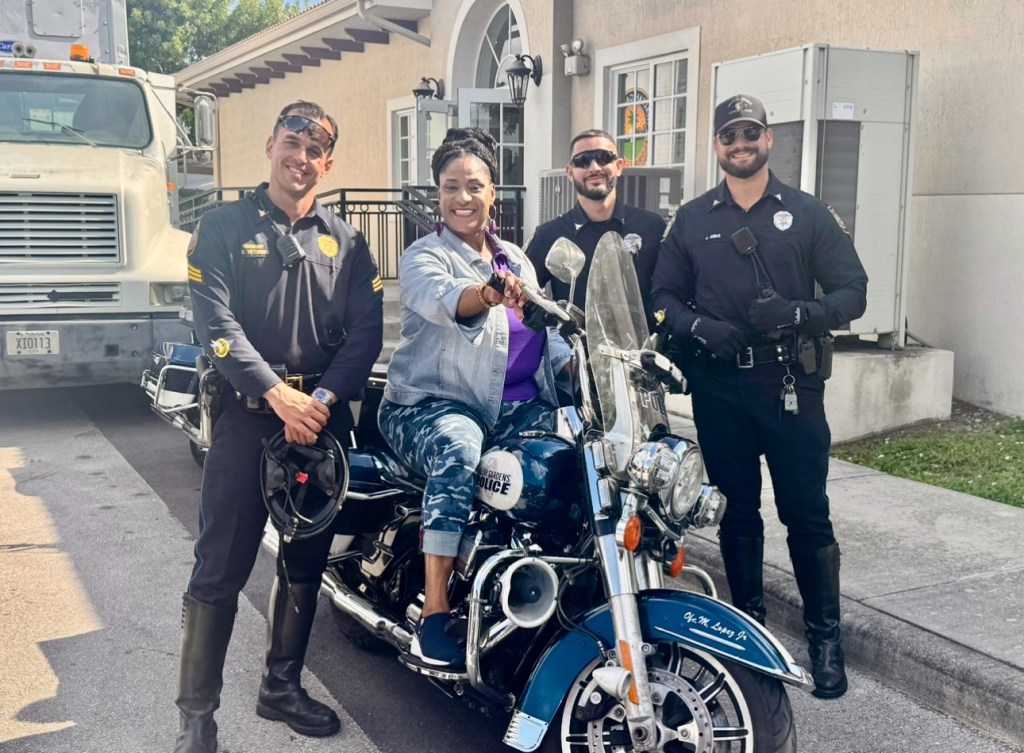
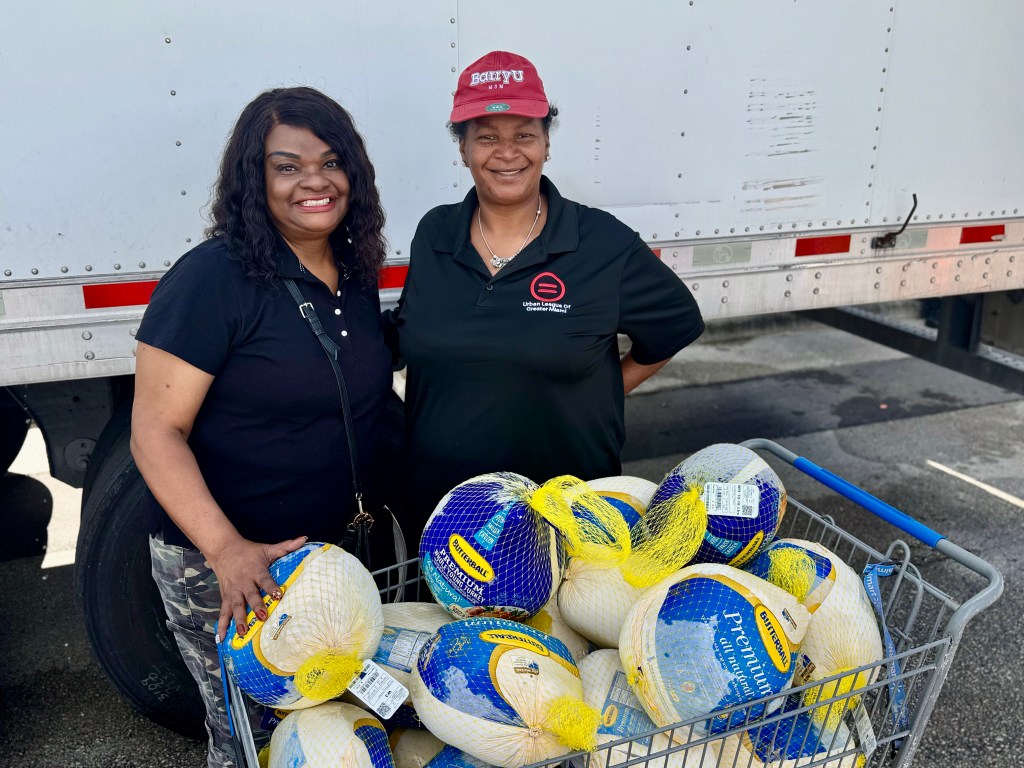
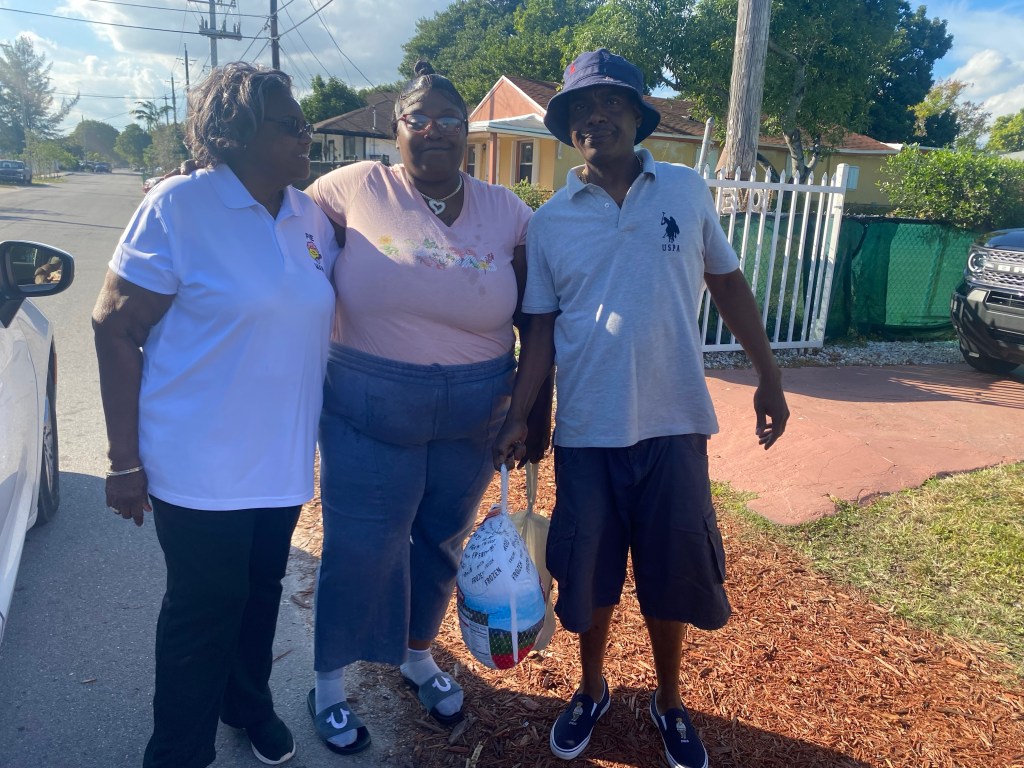
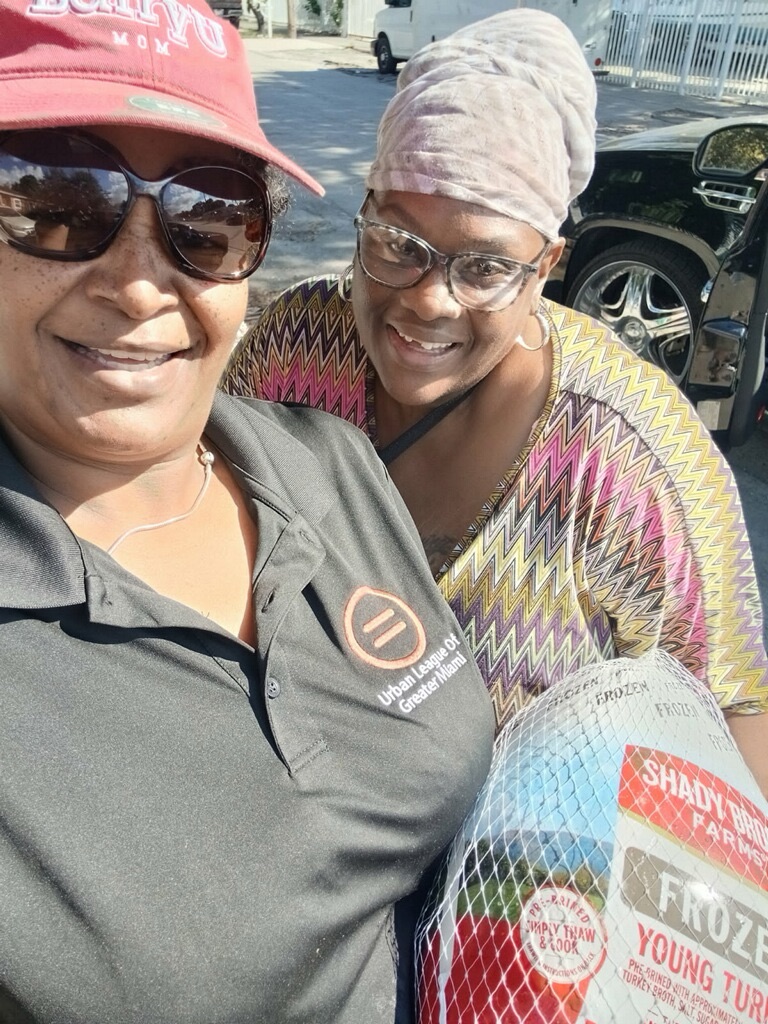
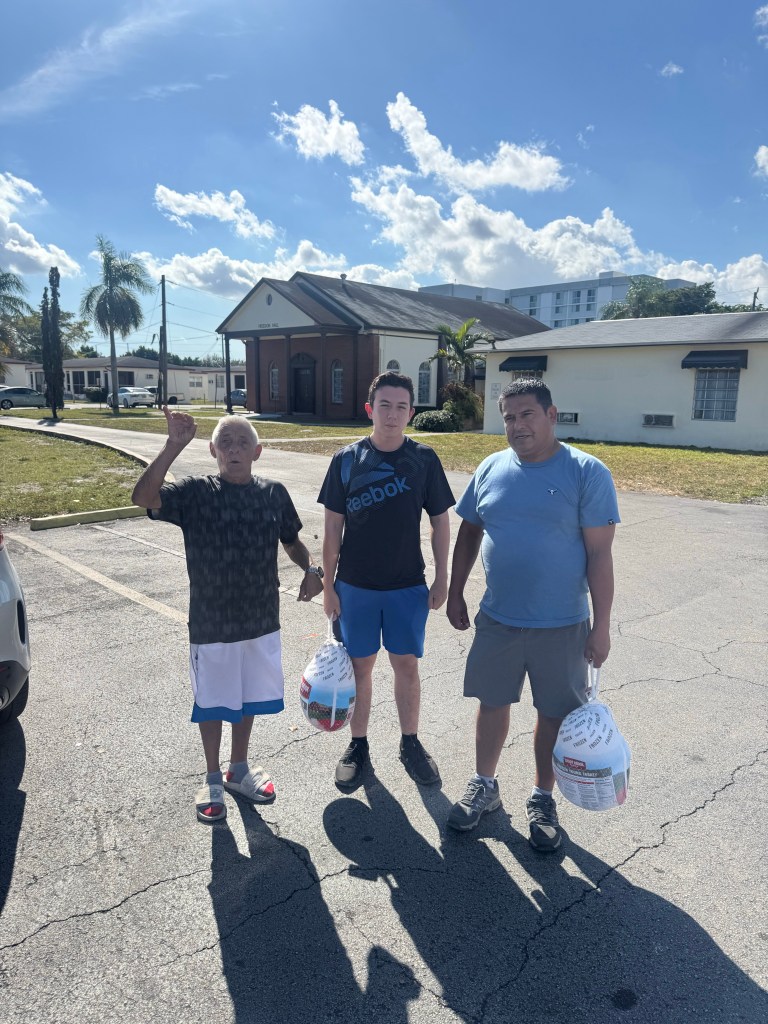
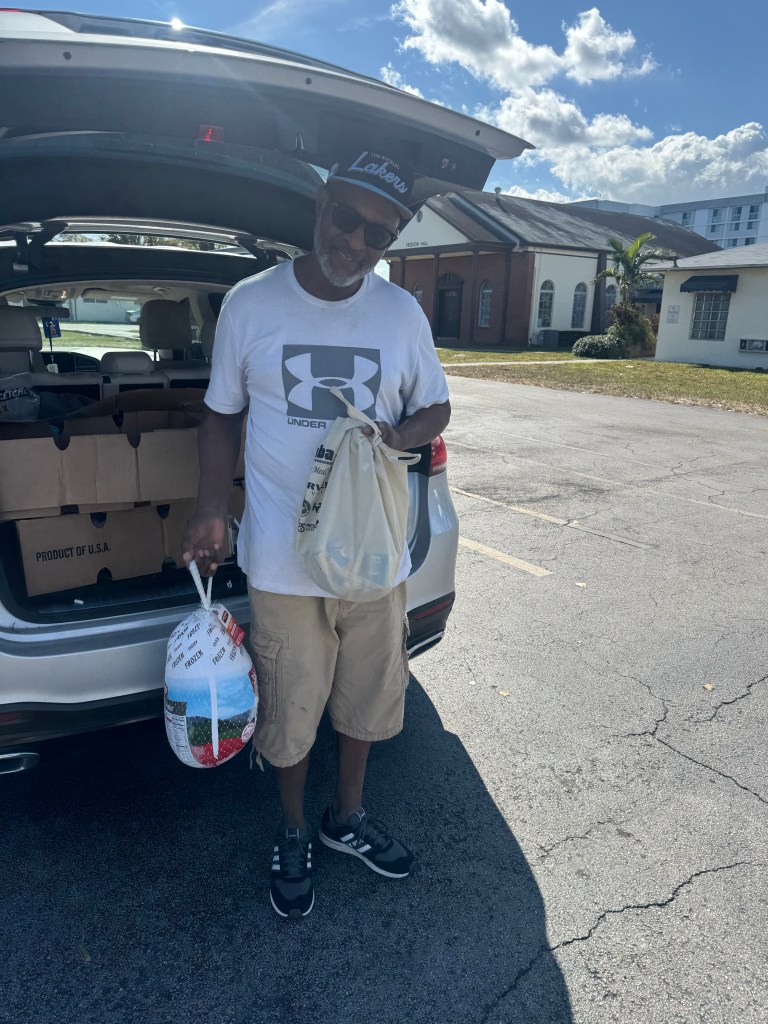
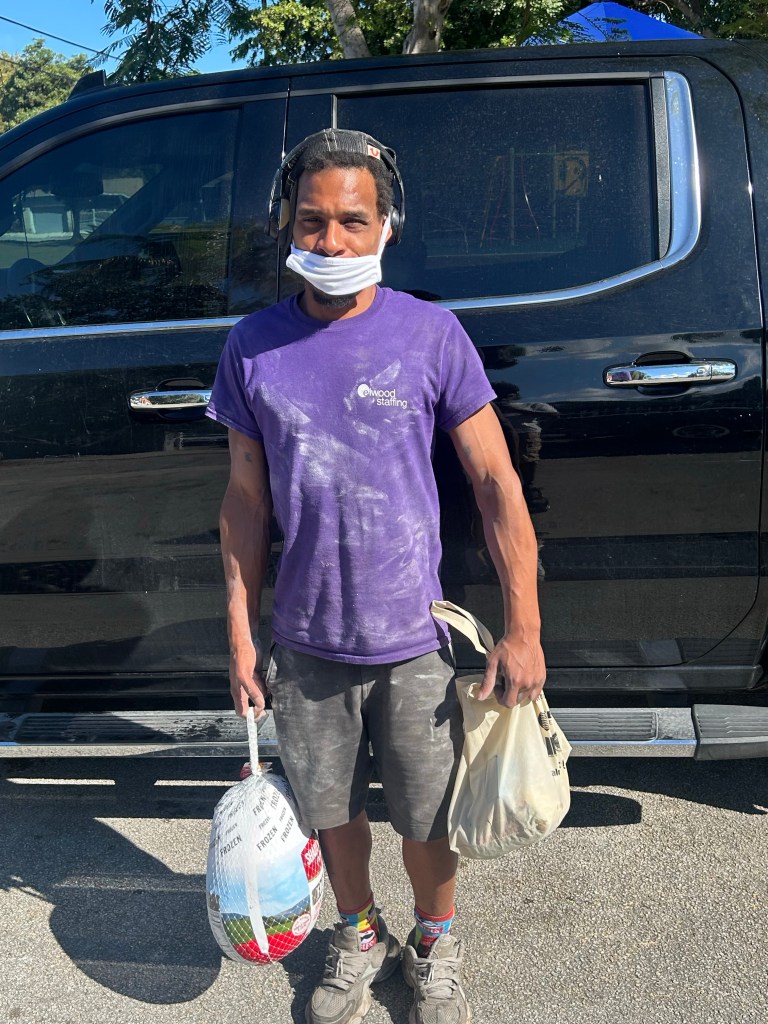
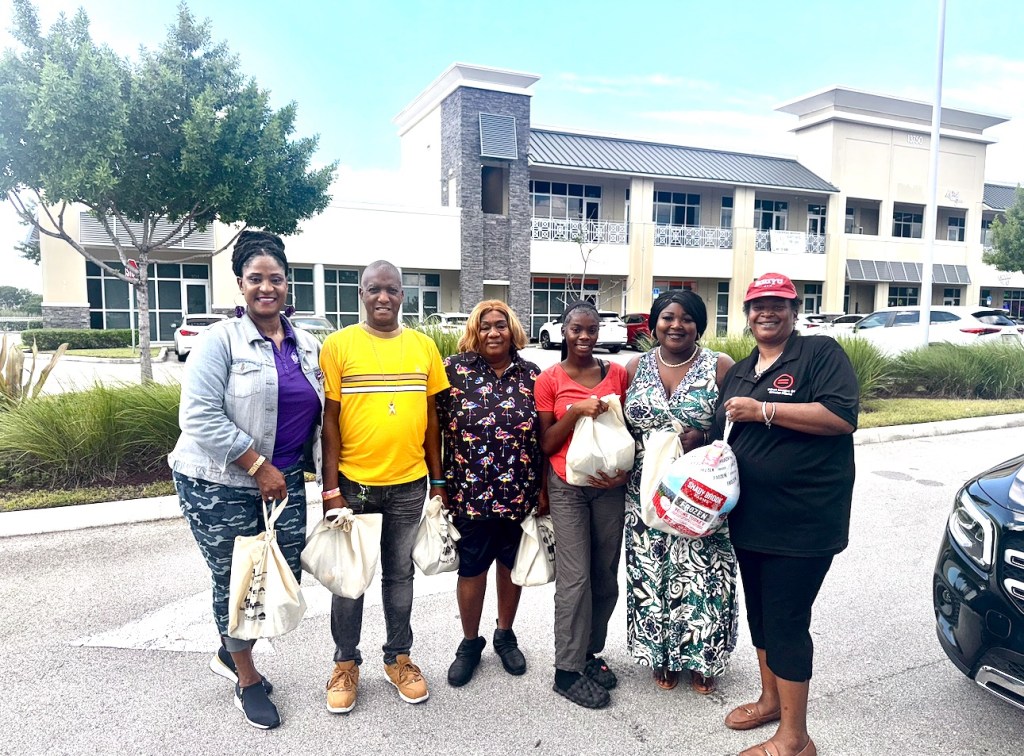
The spirit of gratitude and community was alive and thriving on Saturday, November 22, 2025, as the Latin American Business Association (LABA), along with its sponsors and partner organizations, hosted a highly successful 16th Annual Thanksgiving Drive-Thru Meal Giveaway at the Assault Brigade 250G Museum in Hialeah Gardens. From 12:00 p.m. to 2:00 p.m., cars lined NW 107th Avenue as families eagerly awaited a warm holiday meal to take home.

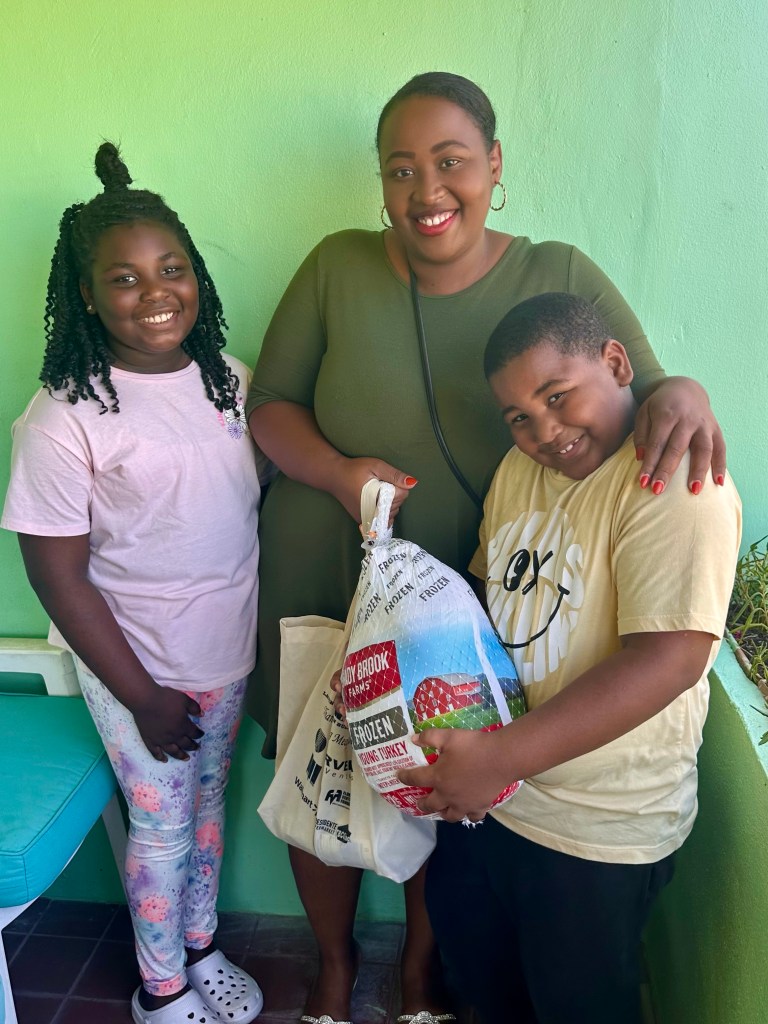
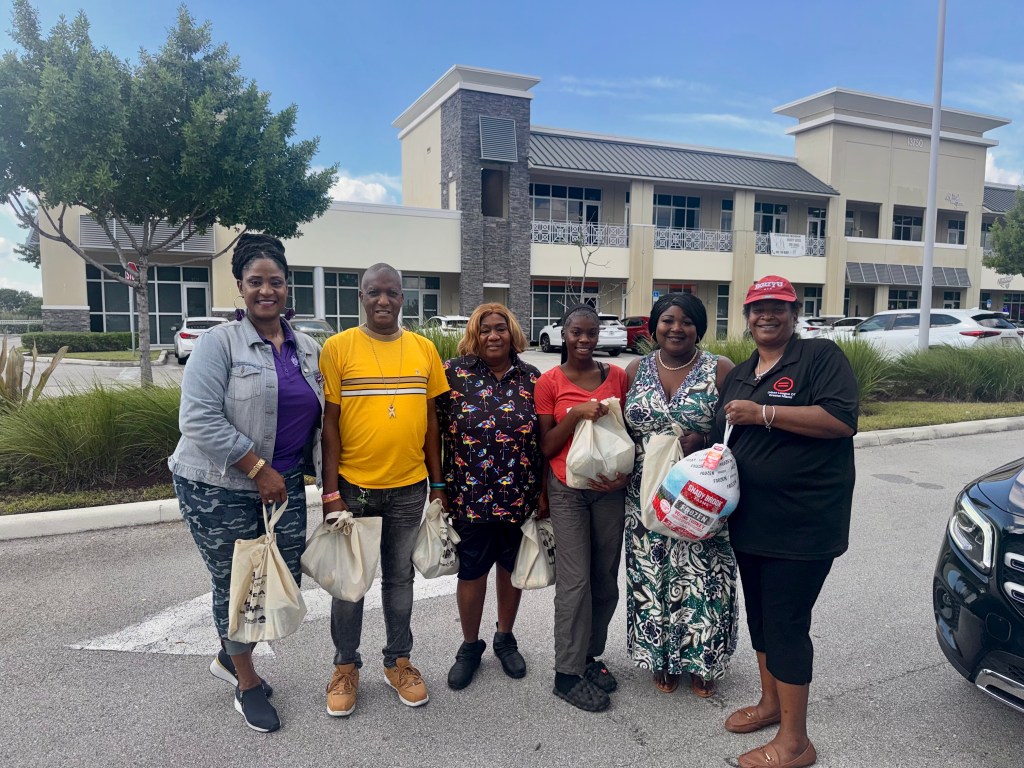
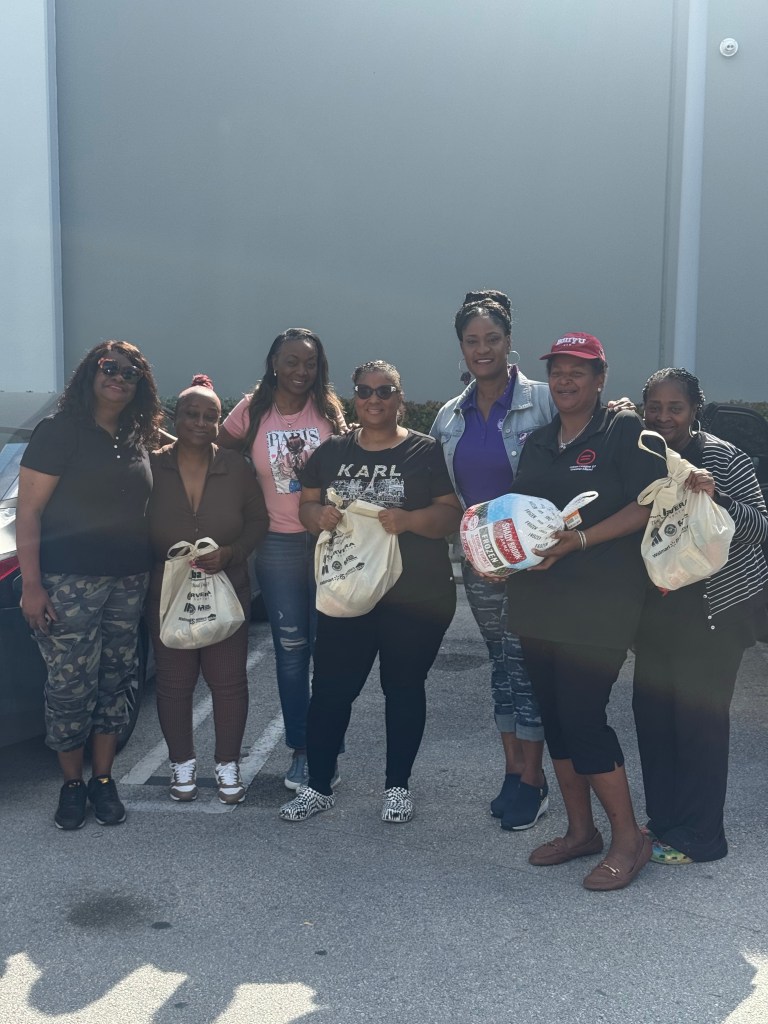
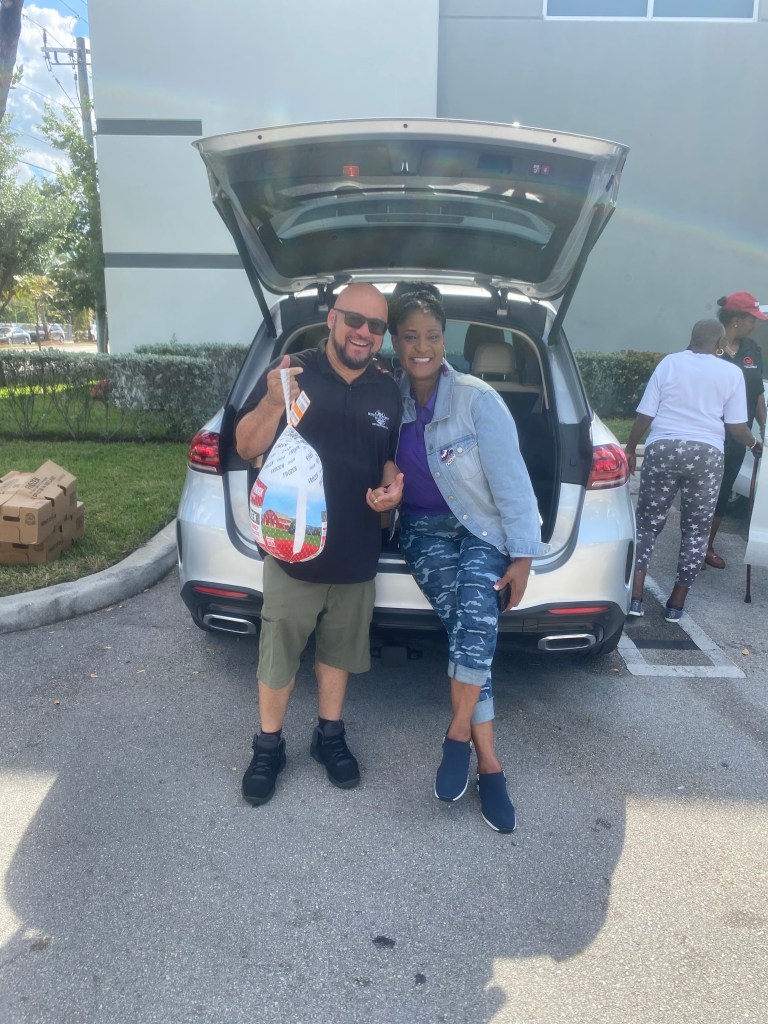
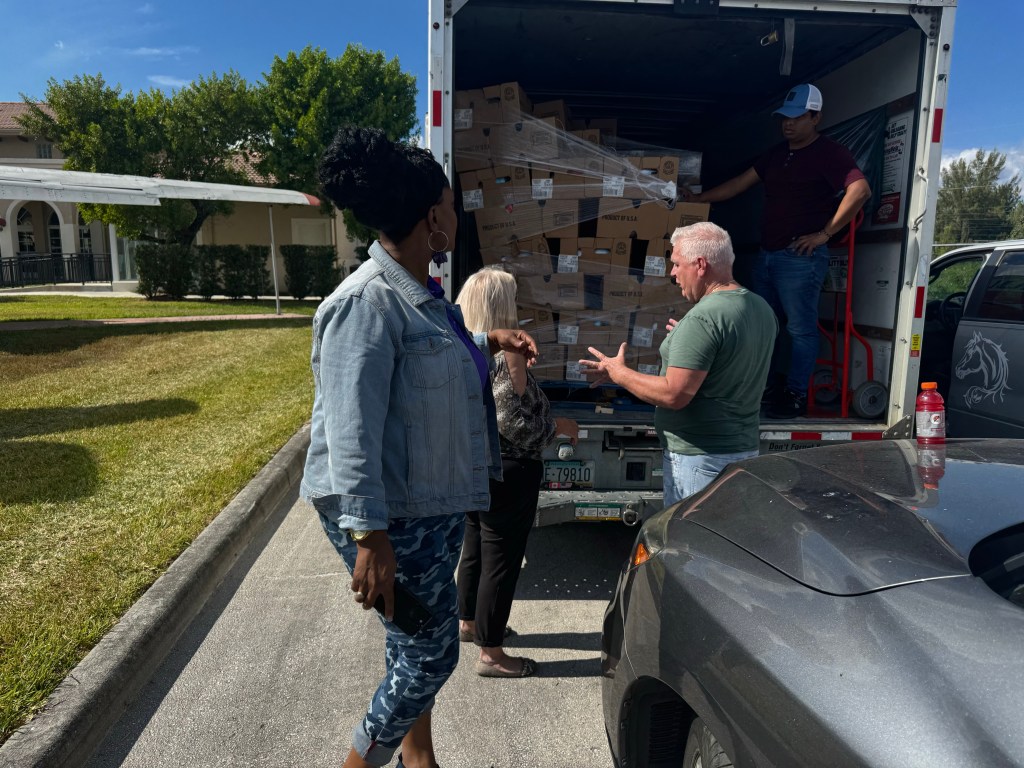
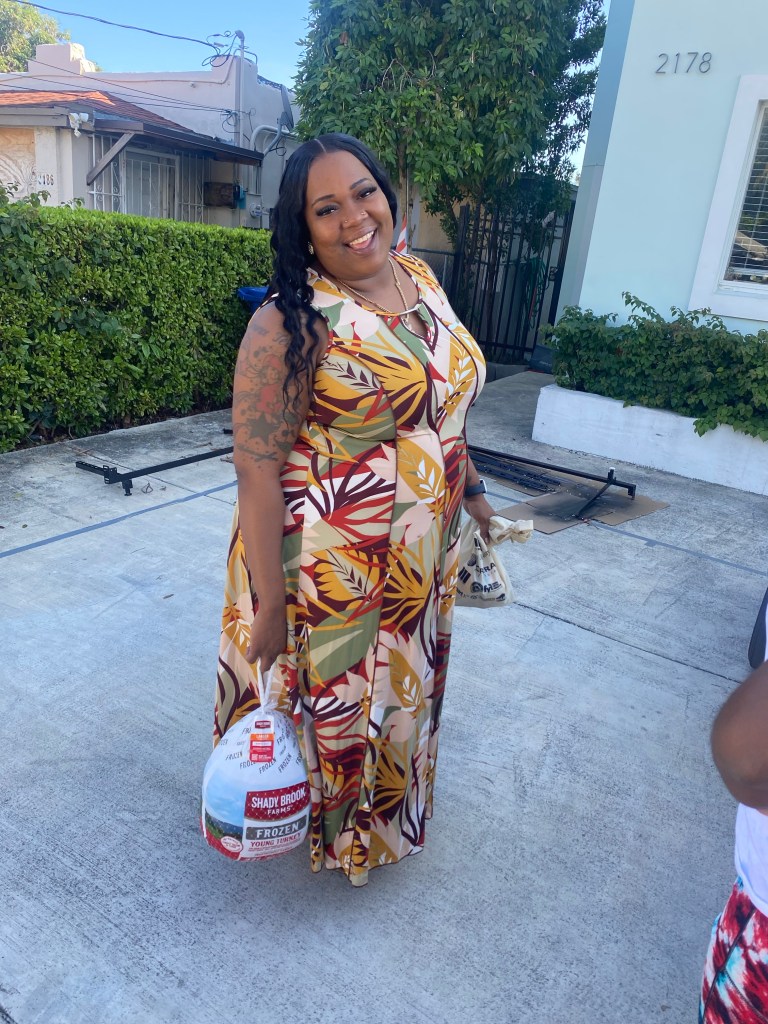
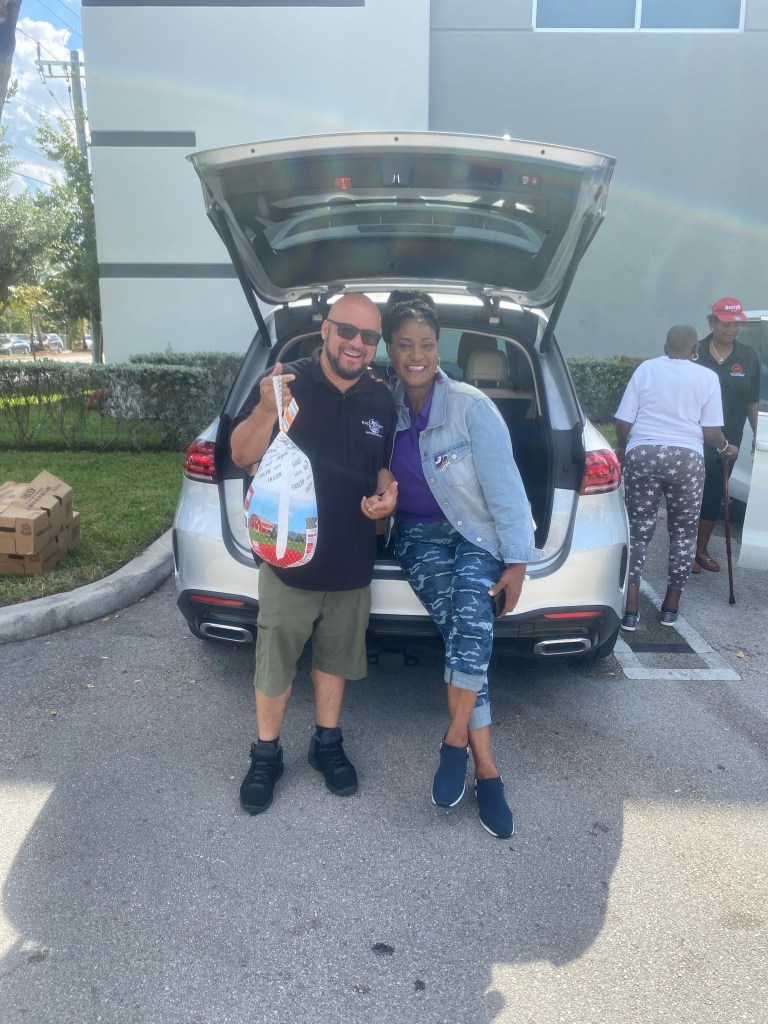
This year’s event surpassed expectations, providing more than 500 complete Thanksgiving meals to families of four who may otherwise have struggled to celebrate the holiday. The drive-thru distribution ran smoothly, thanks to a coordinated team of volunteers who guided vehicles, handed out meal packages, and shared heartfelt holiday wishes.

Adding to the festive atmosphere, Excitement Radio was onsite conducting live interviews with attendees, capturing their stories, gratitude, and holiday spirit. Their presence helped bring even greater visibility to the event and highlighted the importance of community support during the Thanksgiving season.

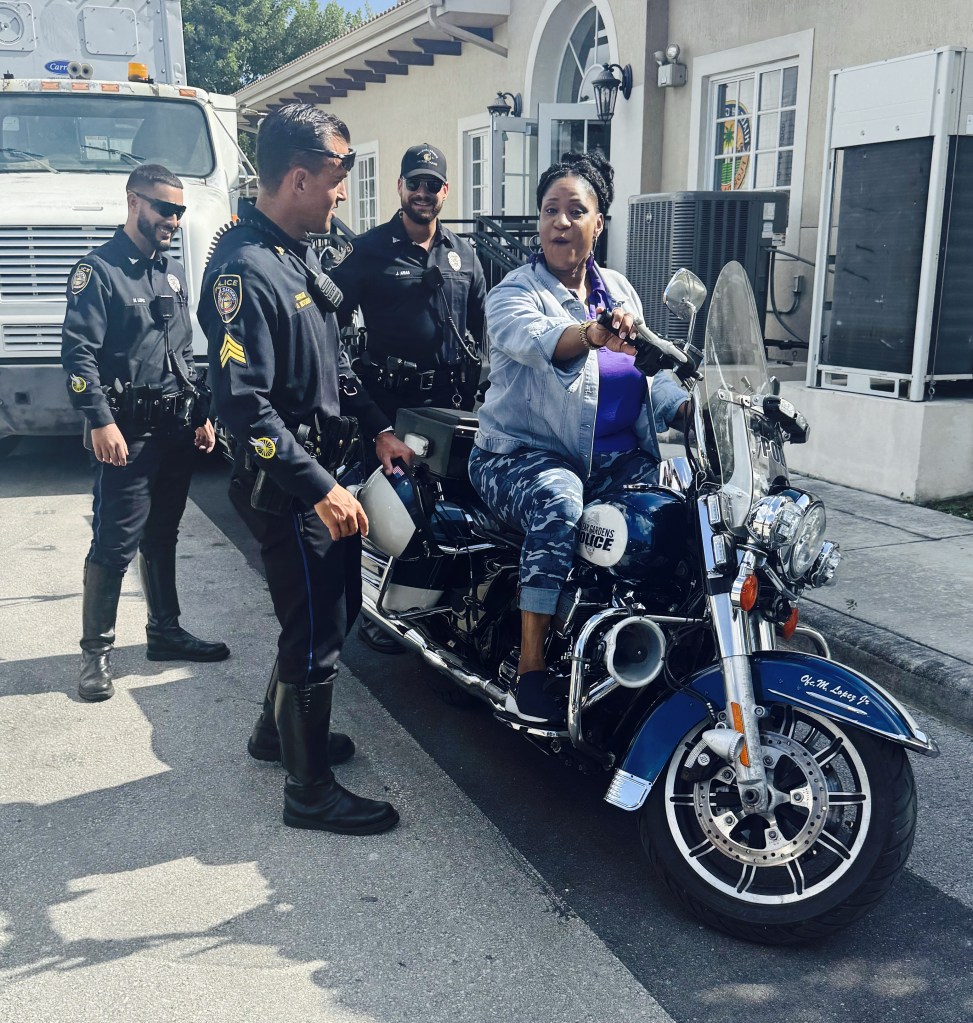
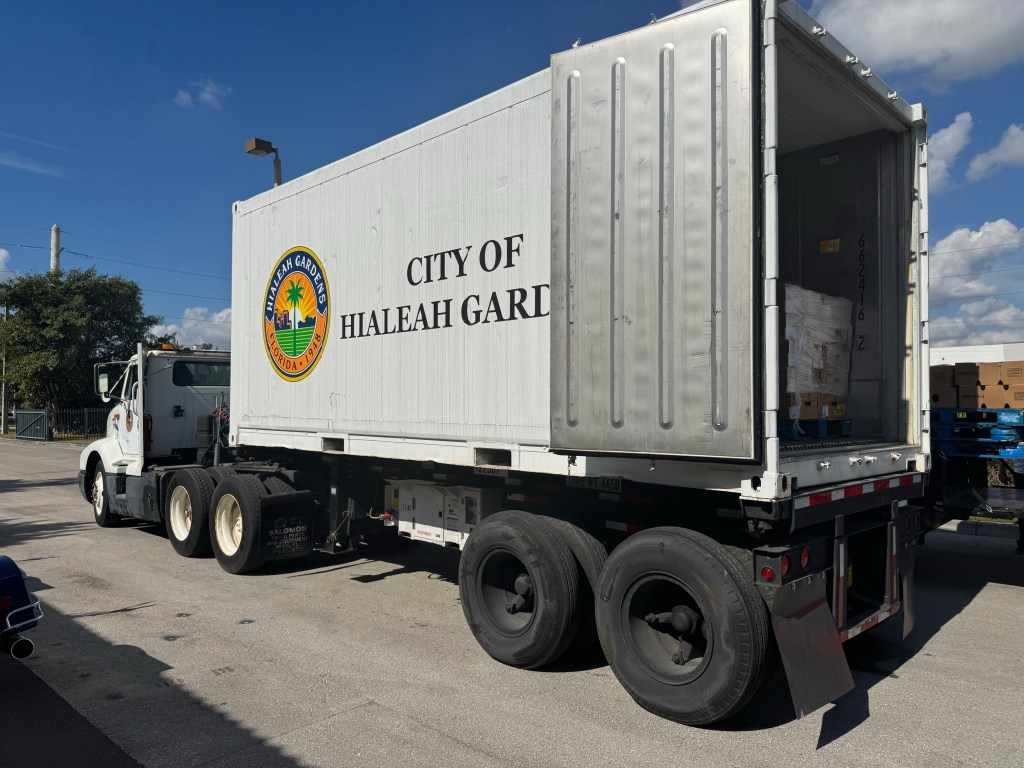
The event’s success was also made possible through strong collaboration with local agencies. The Hialeah Gardens Police Department provided security and assisted with traffic flow, ensuring a safe and efficient drive-thru process for all participants. Staff from the City of Hialeah Gardens were also present, offering support throughout the event and contributing to its smooth operation.

Photo: Charito and Florida Venture Foundation Members

LABA and its sponsors were joined by several dedicated volunteer organizations, including the National Council of Negro Women – Metropolitan Dade County Section, Excitement Radio Station, Inc., Urban Community Connections, Inc., and the Urban League of Greater Miami, Inc., whose service was vital to the event’s success.

One of the proud supporters, Alina from the Florida Venture Foundation, expressed her gratitude for being part of such a meaningful initiative.
“Seeing so many families leave with smiles and the comfort of knowing they’ll have a complete Thanksgiving meal is truly rewarding,” Alina shared. “Florida Venture Foundation is honored to support an event that brings hope, dignity, and joy to our community during the holiday season.”

As Thanksgiving approaches, the success of this year’s giveaway highlights the power of collaboration and compassion across the community. LABA and its partners remain deeply committed to uplifting local families and ensuring that everyone has the opportunity to experience the warmth and unity that define the holiday.

A successful day, a grateful community, and a Thanksgiving filled with heart.

Prophetic Narratives and the Presidency of Donald Trump: A Religious-Political Analysis

Since 2016, the relationship between American evangelicalism and Donald Trump has become one of the most widely examined intersections of religion and politics in the United States. Within charismatic and prophetic Christian networks, Trump has not only been supported politically but has been increasingly framed as a divinely appointed leader. This belief intensified following events such as his election, legislative actions regarding Israel, and the 2024 assassination attempt. Reporting from major news outlets, including The Washington Post (2024), Associated Press (2024), and Politico (2024). reveals a consistent narrative: for many believers, Trump is not merely a political figure but a central actor in a divine, prophetic unfolding. This article analyzes the development of these narratives, their theological basis, their political implications, and the critiques they have generated.

Historical Foundations of Prophetic Beliefs Surrounding Trump

Prophetic interpretations of Trump’s role emerged even before his first presidential candidacy. Early prophetic voices, such as retired firefighter Mark Taylor, claimed to have received divine messages predicting Trump’s rise as early as 2011. While these claims remained fringe at first, they gained traction within the charismatic Christian movement following Trump’s successful 2016 campaign.

The New Apostolic Reformation (NAR), a decentralized movement emphasizing modern prophecy, apostolic authority, and societal transformation, became a major vehicle for these interpretations. Its leaders frequently framed Trump as a “Cyrus figure,” referencing the Persian king whom God used to accomplish divine purposes despite his non-Israelite identity (Le Monde, 2025). This analogy allowed believers to reconcile Trump’s morally controversial behavior with the claim that God had chosen him uniquely for national restoration.

Divine Protection and the July 2024 Assassination Attempt

The assassination attempt on Trump in July 2024 dramatically amplified prophetic narratives. According to The Washington Post (2024), leaders such as Franklin Graham interpreted Trump’s survival as evidence of direct divine intervention, suggesting that God spared his life for a purpose not yet fulfilled. Trump himself fueled this perception, publicly stating that God alone prevented his death.

Megachurch sermons reported by Politico (2024) frequently described Trump as God’s “chosen one” or positioned him within biblical frameworks emphasizing divine protection. Congregations across the United States held prayer services portraying the event as confirmation that spiritual forces were at work in contemporary politics. These reactions reinforced the belief that Trump’s leadership is spiritually significant and that the nation is engaged in a cosmic battle between good and evil.

Prophetic Conferences and the Narrative of Spiritual Warfare

Prophetic conferences serve as key social and theological hubs for spreading the belief that Trump’s presidency is divinely ordained. The Associated Press (2024) reported on a major event; the Opening the Heavens conference in Iowa. where leaders openly connected Trump’s reelection prospects to a battle between divine and demonic forces.

Attendees participated in collective declarations such as the “Watchman Decree,” affirming Christian dominion over governmental and cultural spheres. Leaders prayed against “satanic attacks” on Trump, describing him as a vessel through whom God would reshape the nation. In these contexts, Trump is essential not because of policy expertise but because he occupies a spiritual office within prophetic cosmology.

Biblical Typology and Theological Justifications

The belief in Trump’s divine appointment often rests on biblical typologies. As Le Monde (2025) notes, he is frequently compared to King David; a flawed but anointed leader or to King Cyrus, a nonbeliever used by God to accomplish sacred purposes. These comparisons provide theological legitimacy for political loyalty, suggesting that moral or personal shortcomings do not preclude divine selection.

Such typologies reflect longstanding patterns in charismatic Christianity, where political events are interpreted through an eschatological lens. In this view, Trump’s presidency represents a pivotal moment in salvation history, linked to spiritual revival, national restoration, and the fulfillment of prophecy.

Criticisms and Democratic Implications

Scholars and religious ethicists have raised concerns about the blending of prophetic spirituality and partisan politics. The Washington Post (2019) argues that referring to Trump as “the chosen one” functions as a political act as much as a theological statement, potentially blurring the boundaries between civic authority and divine mandate. When political leaders are framed as instruments of God’s will, dissent may be viewed not merely as disagreement but as spiritual rebellion.

Sociologists have also warned about the mobilizing power of prophetic claims. Prophetic messaging can motivate voters with a sense of divine urgency, but it can also deepen polarization and legitimize extreme actions by framing political opponents as demonic or divinely opposed.

Final Thoughts

The belief that Donald Trump’s presidency is a fulfillment of divine prophecy represents a powerful intersection of religion and politics within contemporary American evangelicalism. Rooted in charismatic traditions, shaped through prophetic conferences, and amplified by national media coverage, these narratives have both mobilized political support and provoked theological and civic concerns. As Trump continues to occupy a central position in American political life, the prophetic narratives surrounding him will likely remain influential, shaping both voter behavior and religious identity in the years to come.

References

Associated Press. (2024). Influential prophesizing pastors believe reelecting Trump is a win in the war of angels and demonshttps://apnews.com/article/9c861aa7c58907ff67bde3c3499a9365

Le Monde. (2025, January 26). Trump, the Apocalypse and King David: A theological reading of the US presidenthttps://www.lemonde.fr/en/religions/article/2025/01/26/trump-the-apocalypse-and-king-david-a-theological-reading-of-the-us-president_6737452_63.html

Politico. (2024, July 14). Sunday services paint Trump as God’s chosen onehttps://www.politico.com/news/2024/07/14/trump-shooting-megachurch-sermons-00168146

The Washington Post. (2019, December 4). Calling Trump “the chosen one” is a political act, not a theological statementhttps://www.washingtonpost.com/outlook/2019/12/04/calling-trump-chosen-one-is-political-act-not-theological-statement/

The Washington Post. (2024, July 16). Trump’s close call in assassination attempt fuels talk he was “chosen” by Godhttps://www.washingtonpost.com/nation/2024/07/16/trump-religion-messiah/


A New Chapter for Homestead: Chief Mario Knapp Leads with Vision, Community, and Data-Driven Policing

Photo: Mario Knapp, Chief
City of Homestead Police Department
(FB: Mario Knapp)

When Mario Knapp was sworn in as Chief of City of Homestead Police Department (HPD) on January 3, 2025, the ceremony represented more than a leadership transition. It marked a pivotal moment for a city experiencing rapid growth, new economic development, and evolving public-safety challenges. With nearly three decades of experience in the Miami-Dade Police Department, Chief Knapp brings not only command-level expertise but also a philosophy built on trust, analytics, and a deep commitment to community partnerships.


A Leader Forged Through Experience

Chief Knapp’s law-enforcement journey began in 1994 with the Miami-Dade Police Department, where he served in numerous high-impact roles. His command experience spans critical units such as SWAT, Bomb Squad, Marine Patrol, K-9, Motors, Seaport Operations, and the Crime Suppression Unit. He is widely respected for his expertise in use-of-force training and for helping develop active-shooter protocols used nationally.

Knapp’s leadership was especially visible during the Surfside condo collapse, where he served as the Command Post Incident Commander, an experience that demonstrated his ability to lead with calm precision in moments of crisis.

Now, as Homestead’s Chief of Police, he brings this depth of knowledge to a department poised for transformational growth.


Strengthening the Homestead Police Department

HPD is a mid-sized, full-service police agency operating out of 45 NW 1st Avenue and staffed by approximately 130 sworn officers and more than 80 civilian personnel. Under Chief Knapp, the department is steadily growing and modernizing to meet the needs of a city on the rise.

Key HPD Units and Special Teams

  • SWAT / Hostage Negotiations
  • K-9 Unit
  • Traffic & Motors Unit
  • Special Investigations Unit (SIU)
  • Community Action Team (CAT)
  • Crime Scene Investigations (CSI)
  • Community Policing Unit (CPU)

Chief Knapp has made it clear: as Homestead grows, HPD must grow “proportionally and strategically,” with a focus on both capability and community presence.


Community Policing at the Center

One of Knapp’s first priorities has been strengthening the department’s community-policing framework. Rather than relying solely on enforcement, he views public safety as a long-term collaboration with residents, civic leaders, local businesses, and youth organizations.

HPD’s Community Programs Include:

  • Group Violence Intervention (GVI)
  • Police Athletic League (PAL)
  • Police Explorers (youth leadership program)
  • Start Off Smart (SOS) social-service partnership
  • Citizen’s Police Academy (CPA)

From neighborhood walks to school presentations and community meetings, HPD’s presence has become more visible—an intentional move by Knapp to reinforce trust, transparency, and accessibility.


Data-Driven Policing: Smart, Targeted, Effective

Beyond community outreach, Chief Knapp is modernizing HPD through analytics and strategic deployment. His philosophy is simple: diagnose before you prescribe.

Using crime statistics, geographic trends, and call-for-service data, HPD is enhancing how officers are positioned across the city. The goal is to reduce response times, prevent incidents before they escalate, and use limited resources efficiently.

This shift comes at a critical time, as Homestead continues to experience some of the highest crime rates in Florida.


Crime in Homestead: The Numbers Behind the Challenge

A clear-eyed view of Homestead’s public-safety environment shows a city with serious but addressable challenges.

Recent Crime Statistics

  • Over 4,343 violent crimes and 5,833 property crimes occurred in Homestead from 2019–2023.
  • The violent-crime rate averaged 2,048.8 per 100,000 residents, well above state and national averages.
  • In 2022, Homestead recorded:
    • 513 aggravated assaults
    • 205 robberies
    • 30 rapes
    • 5 murders
  • In 2023, the city logged 1,836 property crimes, including burglary, larceny, and motor-vehicle theft.

While these figures underscore the obstacles ahead, Chief Knapp’s initiatives target both the root causes and the patterns behind these trends.


From Enforcement to Engagement: Building Public Trust

Knapp understands that improving safety is not just about lowering statistics, it’s about how residents feel. To strengthen community trust, HPD has taken meaningful steps:

  • Expanding accessibility through public meetings and neighborhood patrols
  • Increasing body-camera transparency and timely public-records responses
  • Enhancing officer training, particularly in de-escalation and crisis intervention
  • Building youth mentorship pathways through PAL and Explorers
  • Collaborating with social-service networks to support victims and at-risk families

Early feedback from residents and community leaders reflects growing confidence in HPD’s direction.


Challenges Ahead and a Vision for the Future

Homestead’s rapid development of new housing, commercial expansion, and population growth presents a dual challenge: rising service demands and a more complex safety landscape.

Chief Knapp has outlined several long-term priorities:

  • Expanding sworn staffing to meet national policing benchmarks
  • Improving dispatch and communications infrastructure
  • Streamlining investigative processes for faster case resolutions
  • Strengthening partnerships with schools, faith-based groups, and nonprofits
  • Securing accreditation, which ensures national best practices in transparency and professionalism

His leadership style, collaborative, analytical, and forward-leaning, may be exactly what Homestead needs as it navigates its next chapter.


The Path Forward

Chief Mario Knapp faces a difficult but crucial mission: to reduce crime, strengthen community bonds, and build a modern, trusted police department. Yet early signs point to a positive trajectory. His blend of experience, innovation, and community commitment positions HPD to deliver meaningful, lasting change.

In a city defined by diversity, growth, and resilience, Knapp’s leadership is helping write a new story for Homestead; one where safety, partnership, and progress move hand in hand.


Resources

Homestead Police Department
45 NW 1st Ave, Homestead, FL 33030

  • Meet HPD: homesteadfl.gov/538/Meet-HPD
  • Citizen’s Police Academy: homesteadfl.gov/725/Citizens-Police-Academy-CPA
  • Public Records & Reports: homesteadfl.gov/210/Reports-Public-Records

Crime Data

  • CrimeExplorer (FBI data)
  • FBI UCR Statistics
  • City of Homestead Annual Audit Reports

Mental Health and Trauma: Beyond Physical Injury

Sharron L. Henley, MA, MIN, Journalist Conversations With Charito, LLC

When people hear the word trauma, they often imagine a visible injury; a car crash, an assault, or a natural disaster. These are the kinds of wounds that leave physical marks. However, trauma runs deeper than what can be seen on the surface. It affects not only the body but also the mind and the spirit, leaving invisible scars that can shape a person’s thoughts, emotions, and sense of meaning in life. Unfortunately, many people still misunderstand trauma as being only physical, which can lead to misinformed care and a lack of support for those suffering from emotional or spiritual wounds.

Psychological trauma can come from experiences such as emotional abuse, chronic stress, neglect, or betrayal. A person may not have been physically harmed, yet they can still carry deep emotional pain. Spiritual trauma can occur when a person’s sense of meaning or faith is shaken. Survivors of trauma sometimes feel that their higher power has abandoned them or that life has lost its purpose. Research indicates that when trauma leads to spiritual struggle, such as questioning beliefs or feeling punished, it often correlates with greater psychological distress and post-traumatic symptoms (U.S. Department of Veterans Affairs, 2025). In short, trauma is not only about what happens to the body; it is about what happens to the heart and soul.

One major obstacle to recovery is misinformed care. Many people, including well-intentioned friends, family members, or even some professionals, rely on myths rather than evidence-based practices when supporting trauma survivors. Common misconceptions; such as believing that trauma can be “healed” by simply moving on, by ignoring painful memories, or by forcing a person to relive every detail of their trauma, can actually worsen emotional suffering. These ideas may create shame, reinforce avoidance, or retraumatize individuals who are not ready to process their experiences fully. Studies have shown that misconceptions about trauma-focused therapy and the recovery process can undermine trust and reduce treatment effectiveness (Gray et al., 2023; Contreras, 2024). Genuine healing requires compassion, safety, and a gradual, supported approach rather than pressure or quick fixes (Eldridge, 2024).

The holiday season can make these emotional wounds more noticeable. While holidays are often portrayed as a time of joy, warmth, and togetherness, they can also become a source of anxiety and emotional pain. For many, the season brings back memories of loss, family conflict, or loneliness. The constant reminders of celebration can make those who are grieving or struggling feel even more isolated. According to a recent survey by the American Heart Association, 63% of U.S. adults reported that the holiday season is more stressful than tax season, citing difficulty prioritizing their health and well-being during the period (American Heart Association, 2023). Even simple things like crowds, bright lights, and loud music can trigger stress responses in people with a history of trauma. The expectation to be cheerful when one feels emotionally raw can deepen feelings of shame or inadequacy. On top of that, disrupted routines, less sleep, more obligations, and fewer moments of quiet, can weaken a person’s ability to cope. What is often described as “holiday blues” may actually be a resurfacing of deeper wounds that have not yet been fully healed.

Healing from trauma requires understanding it in its full complexity. It is important to recognize that trauma can harm every part of a person’s being: their body, mind, and spirit. Acknowledging spiritual and emotional pain is the first step toward meaningful recovery. When therapists and caregivers include discussions about faith, identity, and purpose in treatment, they help survivors rebuild not only emotional balance but also a sense of meaning (U.S. Department of Veterans Affairs, 2025).

There are several evidence-based therapies that have shown success in helping people process trauma. For example, Trauma-Focused Cognitive Behavioral Therapy (TF-CBT) has been tested in numerous randomized controlled trials, showing significant improvement in trauma symptoms among both children and adults (Cohen, Mannarino, & Deblinger, 2024; Larsen et al., 2025). Narrative Exposure Therapy allows survivors to place traumatic experiences within the larger context of their lives, reducing the emotional intensity of those memories. For those whose trauma involves spiritual struggle, approaches that integrate meaning-making and faith exploration, such as the Building Spiritual Strength program, have shown promise (Park, 2023). In addition, mindfulness, grounding exercises, and body-centered practices can help regulate the nervous system and restore a sense of safety after trauma.

During the holidays, it can help to take a proactive approach to self-care. Setting boundaries, saying no when necessary, and making space for rest can make a significant difference. It is perfectly acceptable to skip gatherings or traditions that cause emotional pain. Preparing for potential triggers, planning moments of quiet reflection, and reaching out to supportive friends, family, or a counselor can make the season more manageable. Healing does not mean forcing joy but rather creating an environment that allows peace and emotional safety.

If trauma symptoms persist, such as flashbacks, persistent sadness, detachment, or a loss of faith, it may be time to seek professional help. Therapists trained in trauma-informed care can provide guidance and evidence-based support tailored to the individual’s needs.

Ultimately, understanding trauma as more than physical harm allows for a more compassionate and effective response. The holidays, though often difficult for those with emotional wounds, can also become a time of renewal when approached with awareness and self-compassion. Healing is possible when we acknowledge the pain, seek help, and rebuild meaning, by taking each step, one day at a time, while celebrating each milestone of the healing process.


References

American Heart Association. (2023, December 18). New survey: 79% of survey respondents overlook their health needs during the holidays; find the holidays more stressful than tax season. https://newsroom.heart.org/news/new-survey-79-of-survey-respondents-overlook-their-health-needs-during-the-holidays-find-the-holidays-more-stressful-than-tax-season

Cohen, J. A., Mannarino, A. P., & Deblinger, E. (2024). Trauma-Focused Cognitive Behavioral Therapy (TF-CBT): At-A-Glance. National Center for Child Traumatic Stress. https://tfcbt.org/wp-content/uploads/2025/02/Trauma-Focused-Cognitive-Behavioral-Therapy-2024.pdf

Contreras, A. (2024, July 11). 5 myths about healing from trauma. Psychology Today.https://www.psychologytoday.com/us/blog/traumatization-and-its-aftermath/202407/5-myths-about-healing-from-trauma

Eldridge, M. (2024, June 27). Debunking myths about trauma and abuse: What survivors really need you to know.Pathway to Healing Wellness Library. https://www.pathwaytohealingcs.org/wellness-library/debunking-myths-about-trauma-and-abuse-what-survivors-really-need-you-to-know

Gray, R., Wong, L., et al. (2023). Ten misconceptions about trauma-focused CBT for PTSD. Behaviour Research and Therapy, 157, 104239. 

Larsen, K., et al. (2025). Efficacy of cognitive behavioural therapies with a trauma focus for posttraumatic stress disorder: An individual participant data meta-analysis. Journal of Consulting and Clinical Psychology, 93(6), 401–426. 

Park, C. L. (2023). Use of religious and spiritual responses after trauma to prevent posttraumatic stress symptoms and suicidality: The role of meaning in life. Journal of Affective Disorders, 333, 368–380. https://pubmed.ncbi.nlm.nih.gov/37670214/

U.S. Department of Veterans Affairs. (2025). Addressing religious or spiritual dimensions of trauma and PTSD. National Center for PTSD. https://www.ptsd.va.gov/professional/treat/txessentials/spirituality_trauma.asp

Honoring Our Heroes: A Veterans Day Tribute

Each year on Veterans Day, we pause as a nation to honor the men and women who have served in the United States Armed Forces. It is a day not only of remembrance but of gratitude; an opportunity to reflect on the courage, sacrifice, and unwavering dedication that define our veterans.

Photo: AI Shutterstock CWC News

From the earliest days of our country’s history, Americans have stepped forward to defend freedom, protect our values, and serve with honor. Their stories, whether told or untold, form the living legacy of our nation’s strength and resilience.


African Americans first took up arms during the Revolutionary War, serving in units like the 1st Rhode Island Regiment, which included both free and formerly enslaved men. Native Americans such as the Choctaw and Navajo made vital contributions as scouts and, later, as the famous Code Talkers during World War II. Hispanic Americans, from the Mexican American War to modern conflicts, have consistently demonstrated courage and patriotism. Asian Americans, including Japanese Americans of the 442nd Regimental Combat Team in World War II, earned distinction as one of the most decorated units in U.S. history. Over time, the shared hardships and dangers of battle forged strong bonds among service members of every race and background. On the front lines, soldiers learned to depend on one another for survival, creating a brotherhood that transcended color and culture. Many white soldiers came to respect their minority comrades as equals in courage and commitment. These shared experiences gradually helped break down racial barriers, advancing equality both within the military and throughout society.

Photo: Women in Military (Military.com)


Women also answered the call to serve. Though their roles were once limited to nursing and support, women proved indispensable throughout American history. During World War I and II, they served as nurses, clerks, and members of the Women’s Army Corps (WAC) and Women Accepted for Volunteer Emergency Service (WAVES). In 1948, the Women’s Armed Services Integration Act granted women permanent status in the military. Today, women serve in every branch and capacity, including combat roles, continuing to shape the future of America’s armed forces.

The 54th Massachusetts Regiment: A Legacy of Courage

Photo: “Storming Fort Wagner,” Kurz and Allison, Library of Congress


One of the most inspiring chapters in American military history is that of the 54th Massachusetts Volunteer Infantry Regiment, one of the first official African American units in the Union Army during the Civil War. Formed in early 1863 under the leadership of Colonel Robert Gould Shaw, the 54th stood as a symbol of courage and determination in the face of racial prejudice and inequality. Their heroic assault on Fort Wagner in South Carolina demonstrated to the world that bravery knows no color. Despite suffering heavy losses, the regiment’s valor helped pave the way for nearly 180,000 Black soldiers who would later serve in the Union Army, turning the tide of the war and reshaping the course of American history.

Buffalo Soldiers: Guardians of the Frontier

Photo: U.S. Army Military.com
 By Blake Stilwel


Following the Civil War, African American soldiers continued to serve with distinction as part of the Buffalo Soldiers, a name given to members of the all-Black regiments established in 1866, including the 9th and 10th Cavalry and the 24th and 25th Infantry. These regiments were tasked with protecting settlers, building roads and telegraph lines, and defending the Western frontier. They served honorably despite facing discrimination and harsh conditions. Their service extended beyond the American frontier. Buffalo Soldiers fought in the Spanish-American War, the Philippine-American War, and even served as some of the first national park rangers. Their loyalty, discipline, and strength of spirit have left an enduring mark on American history.

The First Veterans Recognition
The holiday we now know as Veterans Day has its roots in the end of World War I. On November 11, 1918, the armistice between the Allied nations and Germany went into effect at the eleventh hour of the eleventh day of the eleventh month. In November 1919, President Woodrow Wilson proclaimed November 11 as the first commemoration of Armistice Day, expressing gratitude for the heroism of those who died in service and hope for lasting peace. Originally, Armistice Day was set aside primarily to honor veterans of World War I. However, in 1954, Congress amended the law and President Dwight D. Eisenhower signed legislation changing the name from Armistice Day to Veterans Day. This change expanded the observance to honor American veterans of all wars, creating the national day of recognition we celebrate today.

A Nation’s Gratitude
Today, we honor all veterans, past and present, who have worn the uniform with pride. Their sacrifices, whether on distant battlefields or here at home, have safeguarded our freedoms and shaped the nation we cherish. As we observe Veterans Day, let us remember that our debt to these heroes can never truly be repaid, but it can be honored through gratitude, understanding, and continued support for all who have served.

A Personal Note of Thanks
On this Veterans Day, I want to extend my heartfelt gratitude to my parents, family members, friends, colleagues and associates who have served in the military. Your courage, commitment, and sacrifice inspire me every day. Thank you for protecting our nation and embodying the true spirit of service and honor. I salute you!

Photo: CWC News

References


Britannica. (2024). 54th Massachusetts Regiment. Retrieved from https://www.britannica.com/topic/54th-Massachusetts-Regiment

Britannica. (2024). Buffalo Soldiers. Retrieved from https://www.britannica.com/topic/buffalo-soldiers

U.S. Department of Veterans Affairs. (2024). History of Veterans Day. Retrieved from https://department.va.gov/veterans-day/history-of-veterans-day

U.S. Army Center of Military History. (2023). African Americans in the U.S. Army. Retrieved from https://history.army.mil/Research/Reference-Topics/Veterans-Day/-History-of-Veterans-Day/


National Museum of African American History and Culture. (n.d.). The Proud Legacy of the Buffalo Soldiers. Retrieved from https://nmaahc.si.edu/explore/stories/proud-legacy-buffalo-soldiers

National Archives. (2023). Women in the Military. Retrieved from https://www.archives.gov/research/military/women

Military.com. (2024). History of Veterans Day. Retrieved from https://www.military.com/veterans-day/history-of-veterans-day.html

Women, Self-Care, and Mental Health: An Integrated Perspective

Sharron L. Henley, MA, MIN, Journalist Conversations With Charito, LLC

Women and the Importance of Self-Care

Women often balance several roles in their daily lives such as professional, family, and community responsibilities. This can lead to stress and neglect of personal needs if self-care is not prioritized (Moudatsou et al., 2025). Cultural and social norms often expect women to focus on others first, which can lead them to ignore or silence their own needs. This pattern has been linked to a higher risk of anxiety and depression (Thibaut, 2025).

A recent Gallup survey showed that nearly two-thirds of women in the United States find it difficult to prioritize their own health, citing emotional exhaustion, caregiving duties, and work stress as major barriers (Gallup, 2024). This suggests that self-care is not simply a lifestyle choice but a necessary foundation for women’s long term health.

Preventive self-care, which involves taking actions to maintain health before illness develops, is especially relevant. Wilson Takaoka, Jaccheri, and Sharma (2024) found that women who reported lower self-care engagement had higher levels of anxiety and depression, especially in high stress occupations. This demonstrates the strong connection between preventive self care and mental well-being .

The Relationship Between Self Care and Mental Health

Recent studies confirm that self-care helps reduce the effects of stress and supports positive mental health. For example, Moudatsou et al. (2025) found that women who took part in personal development and support groups during health crises reported better resilience and emotional balance. These results show that self-care can act as a protective factor that promotes healthier responses to stress.

Self Care Interventions and Mental Health Outcomes

Digital programs and online mental health resources that promote self-care have also shown positive outcomes. A 2025 study published in the Journal of Medical Internet Research found that individuals, especially women, who used self-care tools reported higher levels of wellbeing and emotional regulation (JMIR, 2025). This supports the growing use of digital self-care strategies as accessible mental health resources.

The Cycle of Poor Mental Health and Neglected Self Care

When mental health declines, motivation and energy for self-care often decrease. This creates a cycle where poor mental health leads to reduced self-care, which then worsens mental distress. Integrated programs that combine self-care education and mental health support are needed to break this pattern (KFF, 2025).

Practical Dimensions of Women’s Self Care: Physical Foundations

Physical self-care includes sleep, exercise, and nutrition. The World Health Organization (2025) emphasizes that these behaviors are essential to global health and must be encouraged for all women. Preventive medical visits, awareness of personal health changes, and stress management are also critical components of physical self-care.

Emotional and Psychological Dimensions

Emotional self-care involves activities that help manage stress and strengthen emotional resilience. Practices such as mindfulness, journaling, and creative outlets can improve emotional stability. Katan and Kelly (2023) found that self compassion among women with eating disorders supported healthier coping behaviors and reduced emotional distress. In addition, maintaining supportive social networks is essential for emotional wellbeing (Moradi et al., 2021).

Holistic and Contextual Considerations

Self-care changes throughout life and is influenced by social and environmental factors. A 2024 study in BMC Medical Informatics and Decision Making highlighted that self-care must be made accessible and adaptable to women from different backgrounds, especially those facing emotional or economic challenges. Women in resource limited communities often experience barriers that reduce their ability to practice consistent self-care. Addressing these barriers requires social and policy level action (BMC Medical Informatics and Decision Making, 2024).

Self-Care as Empowerment, Not Indulgence

Although self-care is sometimes seen as indulgent, research clearly shows that it is a form of empowerment. When women take care of their mental and physical health, they become better able to function in their families, workplaces, and communities (Thibaut, 2025). Self-care represents a reclaiming of control over personal well-being and challenges social systems that undervalue women’s health needs.

Women’s self l-care is a critical factor in maintaining good mental health. Current research shows that self-care reduces stress, builds resilience, and improves emotional stability. However, social expectations, unequal access to resources, and stigma can prevent women from engaging in sustained self-care. By creating supportive environments, expanding education, and ensuring access to mental health resources, society can help women make self-care a sustainable part of daily life.

References

BMC Medical Informatics and Decision Making. (2024). A national platform for advancing self-care processes for common illnesses and conditions: Designing, evaluating, and implementing. BMC Medical Informatics and Decision Making, 24, Article 331. https://doi.org/10.1186/s12911-024-02744-4

Gallup. (2024, April 16). Majority of U.S. women struggle to prioritize healthhttps://news.gallup.com/poll/646529/majority-women-struggle-prioritize-health.aspx

Katan, A., & Kelly, A. C. (2023). A daily diary study of self compassion and adaptive coping behaviors in women with symptoms of bulimia nervosa. Journal of Eating Disorders, 11, 50. https://doi.org/10.1186/s40337-023-00755-6

KFF. (2025, May 6). Access and coverage for mental health care for womenhttps://www.kff.org/womens-health-policy/access-and-coverage-for-mental-health-care-for-women/

Moudatsou, M., Stavropoulou, A., Rovithis, M., Mimarakis, D., & Koukouli, S. (2025). Promoting women’s mental health and resilience in times of crisis through personal development groups. Healthcare, 13(9), 1035. https://doi.org/10.3390/healthcare13091035

Thibaut, F. (2025). Recent progress in women’s mental health research and future priorities. European Psychiatry, 68(Suppl 1), S40. https://doi.org/10.1192/j.eurpsy.2025.146

Wilson Takaoka, A. J., Jaccheri, L., & Sharma, K. (2024). Exploring self-care, anxiety, depression, and the gender gap in the technology workforce. International Journal of Environmental Research and Public Health, 21(11), 1468. https://doi.org/10.3390/ijerph21111468

World Health Organization. (2025, June 24). Self Care Month 2025https://www.who.int/news-room/events/detail/2025/06/24/default-calendar/self-care-month-2025

CWC Interview: Women in the Workplace: Insecurity, Leadership, and the Need for Unity

Conversations With Charito at Excitement Radio Station

CWC November 2, 2025

Tune in this Sunday, November 2, 2025, at 12 PM ET for Conversations With Charito on ExcitementRadio.com!
We’ll be diving into “Women in the Workplace: Insecurity, Leadership, and the Need for Unity.”

🎙️ Studio Guests:

  • Danielle Pierre, MBA President, NAACP Miami-Dade Branch
  • Davica Williams, MDIV Davi Speaks
  • Tysharra Belfon, APRN-BC. Belfon Health & Aesthetics

Join the conversation as these dynamic women share insights on mentorship, collaboration, and breaking barriers in leadership.

#WomenInLeadership #WomenSupportingWomen #ConversationsWithCharito #ExcitementRadio

Daniella Pierre, MBA President, NAACP Miami-Dade Branch
Photo: NAACP Miami-Dade

Daniella Pierre is a dedicated community advocate and serves as President of the NAACP Miami-Dade Branch. She is committed to advancing civil rights, affordable housing, education, women’s empowerment, and economic opportunity throughout South Florida.

A proud graduate of Florida International University, Daniella is currently pursuing a Doctorate in Higher Education Leadership at St. Thomas University.

Davica Williams, MDIV

Davica Williams MDIV is a faith-centered executive and multi-media strategist with 25+ years leading at the intersection of ministry, media, and marketplace.

As the voice behind DaviSpeaks “Your Chief Energy Officiant,” | energize rooms, elevate brands, and empower communities through transformational leadership, storytelling, and purpose-driven engagement.

Known for curating sacred spaces in corporate, academic, and spiritual arenas blending high-level strategy with heart-centered impact. Speaker. Host. Vision Catalyst.

Tysharra Belfon, APRN-BC Photo: Belfon Health & Aesthetics

Belfon Health and Aesthetics is a boutique Health & Wellness Center located in Cooper City, Florida. Owned & Operated by Board-certified Nurse Practitioner Tysharra Belfon, to combine her passion for Medicine, Aesthetics and sustainable weight loss to help all her patients look and feel their best. As a concierge medical clinic, Belfon Health and Aesthetics offers affordable access to health services, including annual physical exams, sick visits and pre-op surgical clearance. IV hydration is also available for patients who want to invest in their total wellbeing, increase their energy levels, boost metabolism, and improve cognitive function.